Episode Transcript
[00:00:00] Speaker A: And I think that there's obviously always a little bit more of a strategy angle if you're producing a short film that is a proof of concept and you're hoping to expand it into something larger, because there's not a ton of ways to get your money back on a short film. Not that you can't do it, but it's hard.
And so I definitely think that if you're making it as a proof of concept, it's a little bit of a better business move.
So that's kind of where I'm focused now in my career is making things.
If it, like, if it is a short, it's because I have a plan to do something more with it. And I'm just trying to get it off the ground or build some buzz or, you know, test the waters a little bit and see how it goes, see how it looks, see what the team feels like.
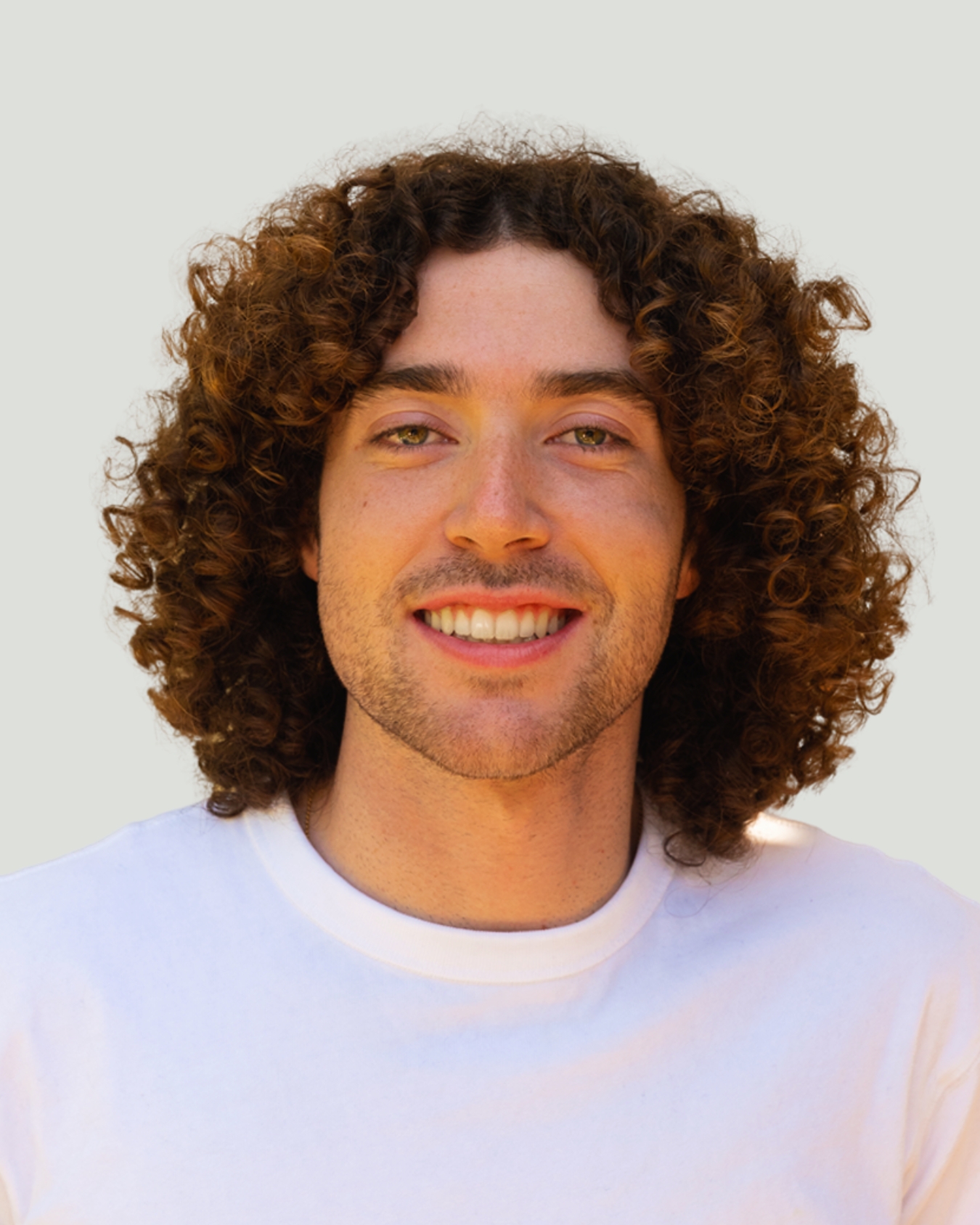
[00:00:46] Speaker B: I'm Luke Steinfeld.
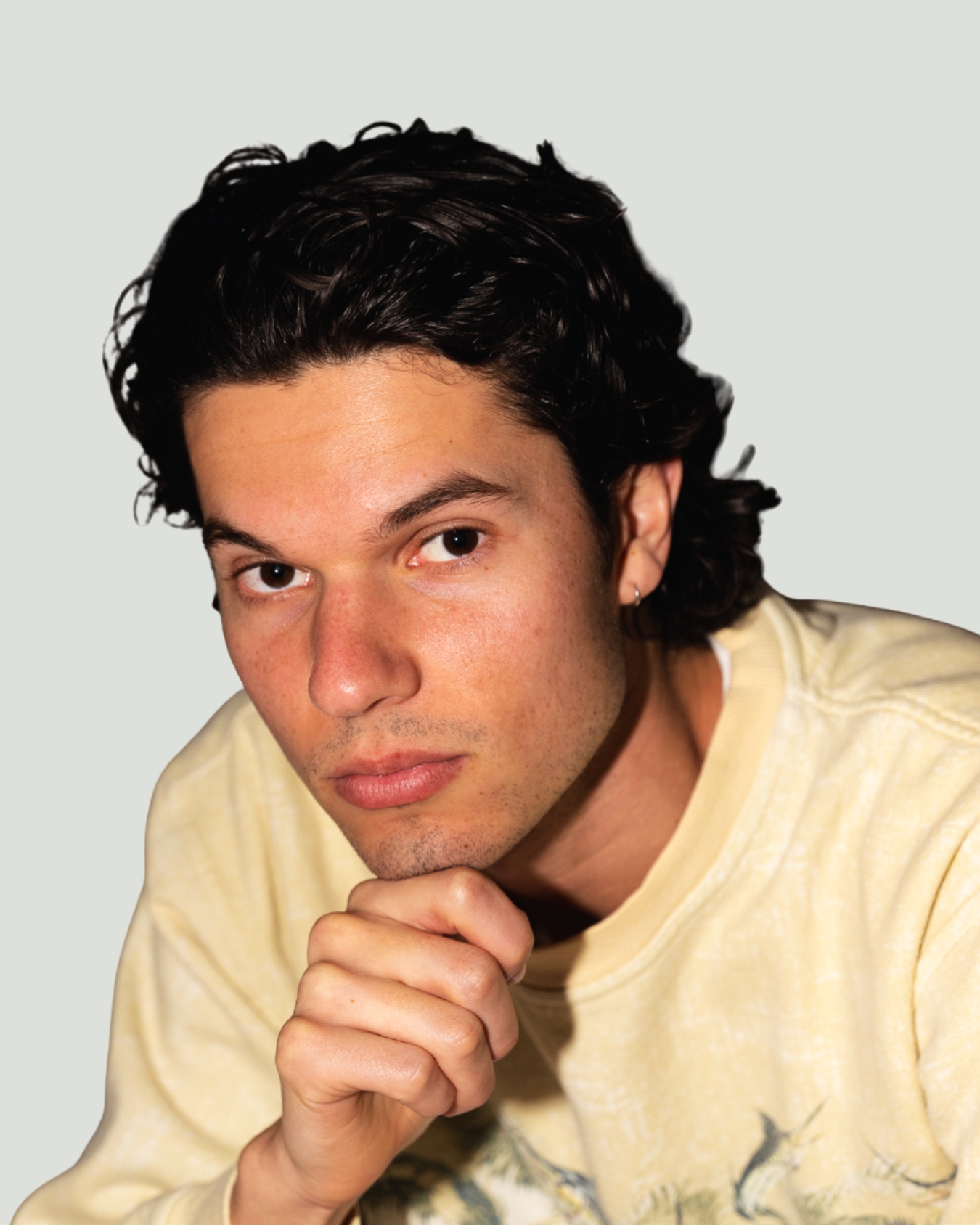
[00:00:47] Speaker C: And I'm Wyatt Sarkisian.
[00:00:49] Speaker B: We made the 5050 podcast to support you on your filmmaking journey.
[00:00:52] Speaker C: 50% business, 50% creative.
[00:00:54] Speaker B: Every Tuesday, a new how to.
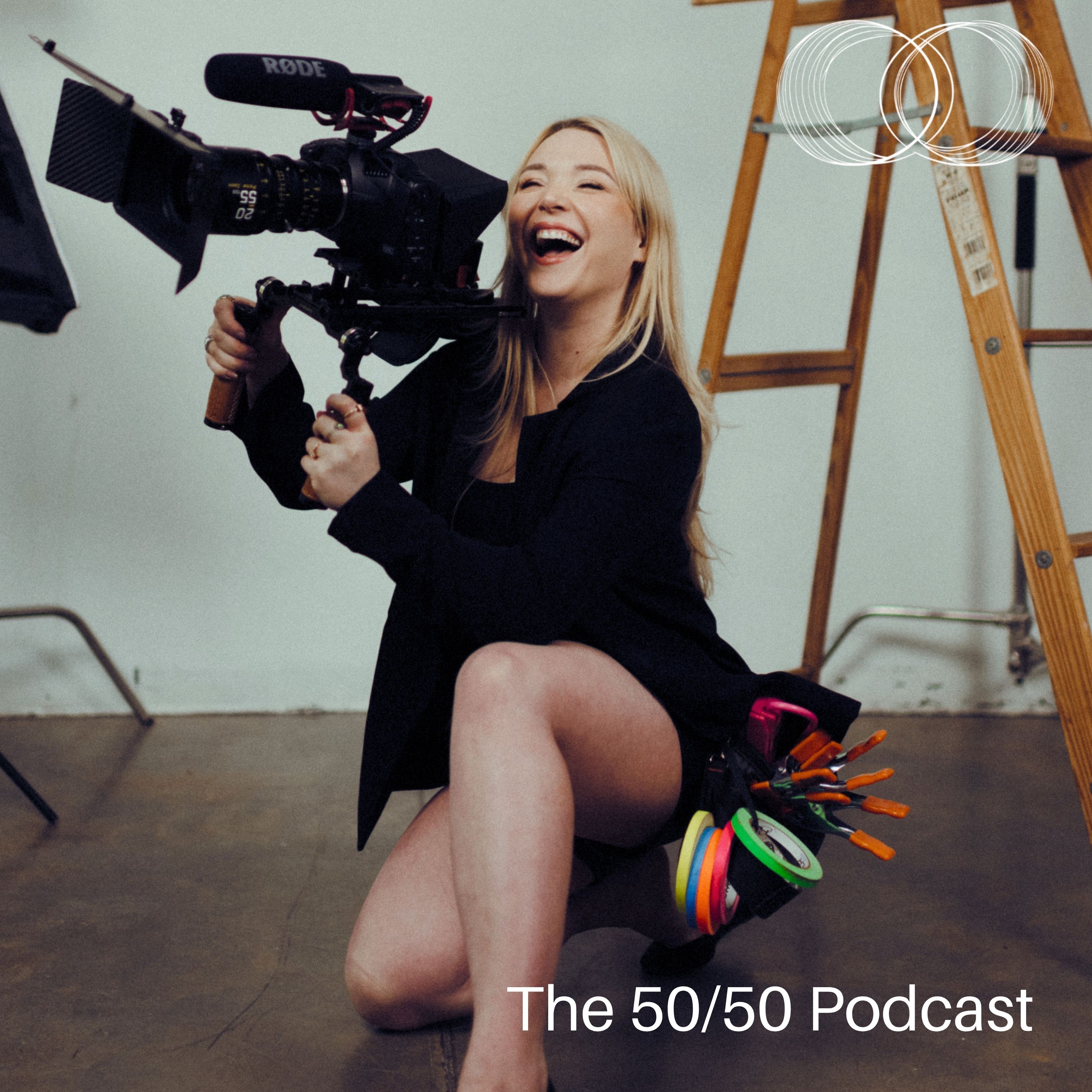
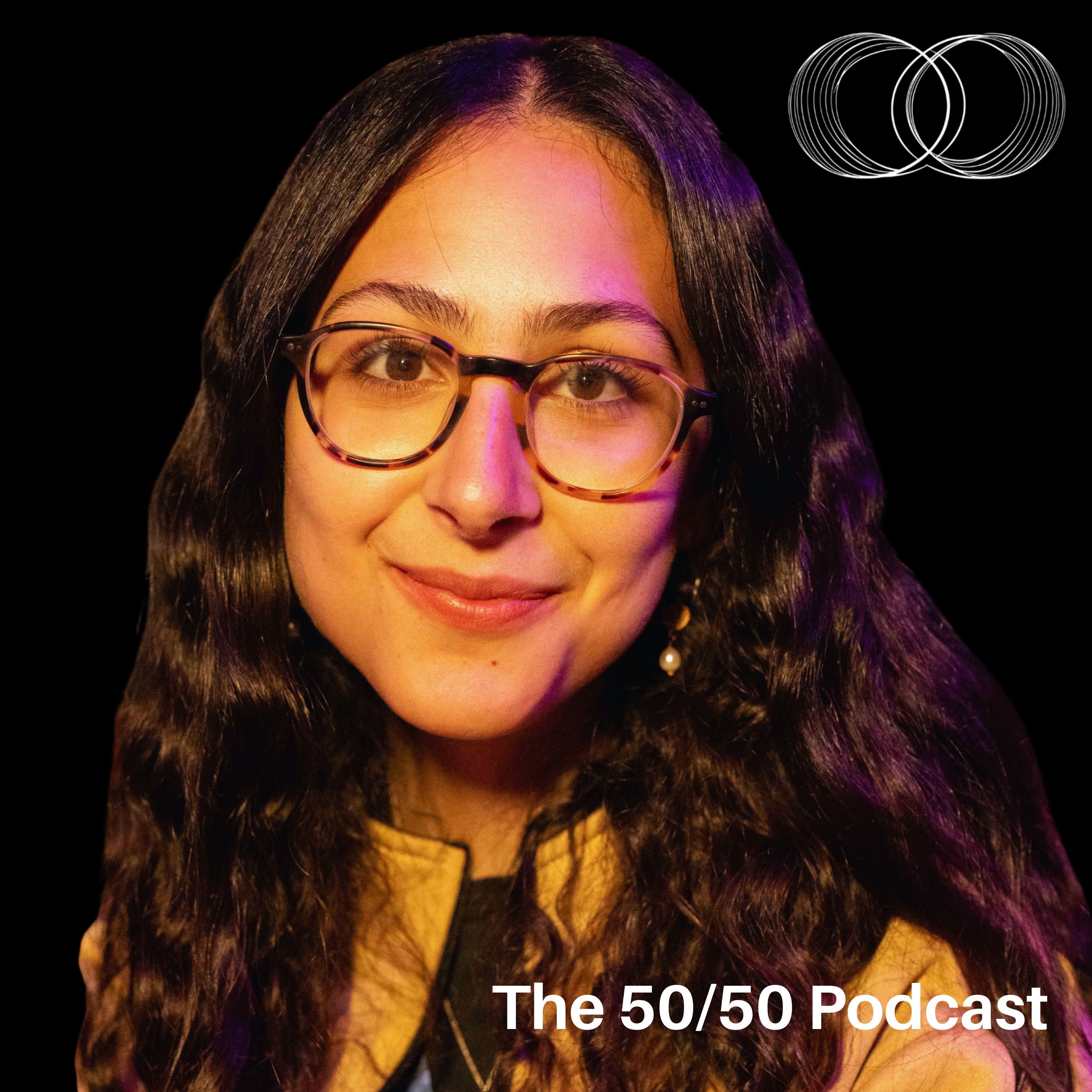
[00:00:57] Speaker C: This week, Raven Wisnat joins us live from North Carolina. Raven has built quite the production entity out there, most recently producing one of this year's 5050 horror shorts, Catcher by Dylan Clark. In this episode, we get into her dynamic with Dylan, a red hot director at the moment. We also discuss the festival circuit versus YouTube versus theatrical releases, and what it's like to nurture a rapidly growing production company, New32, while keeping inclusion and representation at the helm of the mission, specifically in the horror space.
Before we get into the episode, submissions for 5050 comedy. Yes, you heard that right. 5050 comedy are now open. Go submit linked in our show notes below. Now let's get to Raven.
Yeah,
[00:01:45] Speaker B: that's how we have 75 episodes of this.
[00:01:48] Speaker C: Yeah, right.
[00:01:49] Speaker B: How are you, Raven? Are you in a.
Are you in North Carolina?
[00:01:54] Speaker A: I am, yeah, I'm in North Carolina. I've been here forever and I just. I love it. It's my favorite place.
[00:02:01] Speaker B: Happy Halloween. What the hell?
[00:02:03] Speaker C: Yeah.
[00:02:04] Speaker A: Thank you. Yeah. Happy Halloween. I thought that was so serendipitous that our chat ended up today.
[00:02:09] Speaker C: Totally
[00:02:09] Speaker B: great. It's a special day. It's a special day for the horror.
[00:02:13] Speaker C: The horror community. It's where we all come together.
[00:02:16] Speaker B: Yeah,
[00:02:16] Speaker A: I went to a little pre trick or treat thing last night in my community just to see all the little kids running around in their costumes.
So many of them were wearing costumes of films that, like, I know people who have produced And I was like, should I tell them? And I was like, they're going to think that's so boring, Raven. Like, you would not be any more boring adults if you tried. They're not interested in production. They just want.
[00:02:40] Speaker C: Yeah, they don't care about that.
[00:02:41] Speaker B: Kids. Kids
[00:02:42] Speaker A: were wearing
[00:02:44] Speaker B: what, like, what were the films?
[00:02:46] Speaker A: So the big one was I saw a bunch of kids as Art the Clown. There were so many little Art the Clowns. And I know a lot of people who helped with the Terrifier series. And so I wanted to be like, so listen, let me tell you kids about how they made this.
And they would not have been interested.
[00:03:04] Speaker B: I was at a coffee this morning and there was like a little Halloween get together and all the kids. But there was like one in a banana. There was like a pumpkin.
[00:03:16] Speaker A: Oh, my.
[00:03:17] Speaker B: Like those kind of outfits. Not as much like the Terrifying series, but.
[00:03:21] Speaker A: Yeah, yeah, yeah. North Carolina does a
[00:03:24] Speaker C: difference. The kids are really ripping horror movies. Yeah,
[00:03:27] Speaker A: they were. Some of them were intense. Some of them. It was funny to see like the age range because, you know, you still have the very little kids who are like a pumpkin or like a ball machine or a fairy. And then some of the kids were like Art the Clown. Some of the kids had blood all over them. And it's. Yeah.
[00:03:46] Speaker B: You see also the Scream mask, You know, Always, always. It's. It's kind of interesting to think about, honestly, where it's like, these kids definitely have not seen these movies, but, like, by the time they're of age, it's like, wait, I. I was this for Halloween like 10 years ago, you know?
[00:04:01] Speaker A: Right.
Did you have any, like, standout horror costumes or Halloween costumes from when you were little?
[00:04:08] Speaker B: I remember I definitely did the Scream mask once, but I. Also a standout was the nun mask.
[00:04:14] Speaker A: Oh, yeah.
[00:04:16] Speaker B: Remember that, Wyatt, did you also wear that? That was like. No,
[00:04:19] Speaker C: I didn't do that. I remember you did that, though. Yeah. You, Luke, you always went hard on Halloween.
[00:04:24] Speaker B: I feel like I did.
I love. I definitely. Dressing up was always, like, super fun. I used to wear like a NASCAR outfit, though. Always. Luke was a
[00:04:34] Speaker C: cheerleader. One year I
[00:04:36] Speaker B: was cheerleader. I remember that. The Patriots. Yeah. Full wig. There were few of
[00:04:40] Speaker A: us, though.
[00:04:40] Speaker B: That wasn't. That was adjustment.
[00:04:42] Speaker C: I mean, I was also a cheerleader that year, but. Yeah,
[00:04:45] Speaker B: there you go.
[00:04:45] Speaker A: Yeah.
Did you guys grow up together?
[00:04:48] Speaker B: We did. We
[00:04:49] Speaker A: didn't realize that.
[00:04:51] Speaker B: We've been. We've been working together for 20 years at this point. Yeah.
[00:04:54] Speaker C: Working on a very professional level since the age of Five.
[00:04:57] Speaker B: Very professional,
[00:04:58] Speaker A: Very, very cute. I love that. What
[00:05:00] Speaker B: about you, Raven? Are you. Have you been in North Carolina, your, your whole career thus far?
[00:05:05] Speaker A: I have, yeah. I was born here and I just got really, really lucky with my film career. I just always knew acting is what I wanted to do. Like, since I was born, this was the thing for me. And so that's kind of how I got into film. I started acting when I was really, really young and I was in a lot of plays. And then that kind of spiraled into like commercial work and little indie films and things like that. And then at some point in my early adulthood, I just kind of realized, you know, I tried. I've been in New York for a little bit. I've been in LA for a little bit. I think both are wonderful, very exciting places to be. But just North Carolina is really where I feel like I'm home.
Yeah.
And I just kind of realized, oh, if I want to do more film, if I want to be on set every day, I'm gonna have to make some stuff. Like I'm gonna have to make that happen.
Yeah. And that's kind of how I got into production and making my own films.
[00:06:01] Speaker C: Interesting. How would you describe the film scene, you know, on a small and large scale out in North Carolina?
[00:06:08] Speaker A: It's funny because I would say there's pockets.
And so it's a lot harder to meet people out here because just generally people are more dispersed. And so you don't meet filmmakers very often, but when you do meet them, they're extremely dedicated and they're extremely hardworking. Because I think if you want to live in a place like North Carolina, where there's a decent amount of film but not a ton of opportunities, you have to really take it extremely seriously and you have to really be doing the work, otherwise you just can't make a career out here. And so when you do meet those filmmakers, they're like extremely talented and just mind blowingly dedicated. And a lot of them are multi hyphenated and they're like doing a lot of their own writing, directing, producing, in addition to, you know, some skills that they have. So people,
[00:07:00] Speaker C: you're kind of forced, forced into that. When it's harder to find like your close collaborators, you're. You're having to do a lot of it yourself. That's empowering. That's cool.
[00:07:09] Speaker A: Yeah. Well, actually, Wyatt, that's another really good point because I think that another thing that happens is that you then become really good friends with those people because you go, oh my Gosh.
[00:07:18] Speaker C: Right.
[00:07:18] Speaker A: We kind of need each other. And so you form these deeply collaborative, like, very real friendships with people.
[00:07:24] Speaker B: That's amazing. And so do you find yourself working with the same crew? You know, whether it's okay, I'm going to write something. Oh, do you write as well?
[00:07:33] Speaker A: Yeah, I do. Yeah, I write as well. And so I definitely have, like, my North Carolina favorites that when I'm producing out here, those are kind of my go to people. But I'm also very lucky that, you know, a lot of times in production, the stuff that I'm doing can be super remote. And so that's been really a blessing too. Something that I think really got more normalized during the pandemic because now a lot of times I'm producing and I'm, you know, working with people from New York or people from LA or, you know, people in Canada even. So I kind of have my little names that I like in different areas.
[00:08:10] Speaker B: Can you. Can you talk about producing like that? I mean.
Cause for. For us, at least out here, I feel like production or producing, you know, is a lot about, like, being here, boots on the ground and like.
[00:08:24] Speaker A: Yeah,
[00:08:24] Speaker B: so can you talk about just that, I guess that virtual or doing that virtually, like, what that. What that looks like?
[00:08:31] Speaker A: Yeah, yeah. Well, it's definitely. It's a lot easier if you are producing, like more of a bird's eye view.
And so there are definitely things that would be limiting. I'm helping with a short right now in la, for example, and so I couldn't be there for their blocking rehearsal. I couldn't be there for the pre light. I couldn't be there for a lot of things. And so there's definitely. When you're producing remotely, there's things that you just have to either take a backseat on or just say, like, okay, well, that's not something that I can help with. But then there's a lot of other things that you can do. Right. Like, I was in all the meetings about all the practical effects, talking about how we're gonna decapitate people and, you know, pull off all the crazy fun blood and stuff.
I can help a lot with outreach or like making different phone calls or introductions or assembling the team.
And then of course, a lot of the, you know, like scheduling and budgeting and all of that can really happen anywhere that you have WI fi and a laptop. Yeah, yeah. It definitely limits you a little bit, but I think you can still really have fun with it.
[00:09:30] Speaker B: It's a great point, especially in the genre too. You Know, something like VFX or something where a lot of times for shorts at least, like budget wise, like you are looking at VFX houses that aren't maybe not based where you are, you know, and so that kind of virtual work actually like caters to that in a great way. Have you found yourself, like, are you constantly expanding? I'm sure you are expanding the network. But like, like for example, with Catcher, right, which we should 100 talk about, which was the short that screened at 5050 horror that you produced, directed by Dylan Clark. Like there are VFX elements in that maybe. Honestly, it's just we could really like do a deep dive on the short and like how that came to be. And that was shot in North Carolina, right?
[00:10:21] Speaker A: Yes, yeah, that was shot in North Carolina. And so, you know, we obviously we brought in Dylan and we also brought in Cameron, our dp. And then I think everybody else was here, everybody else was North Carolina local and we rented this gorgeous, huge old house in downtown Hillsborough. So it's very old historic home, which, you know, it's not a haunted house movie, but I think that anytime you can be in a haunted house, it just adds to the vibe.
So we have this great, like gorgeous, spooky home that we filmed in. It was really wonderful.
And yeah, it was, it was a really, really fun set. And I think it was part of the magic of collaboration is we could have so many people here based in North Carolina and then we could be also bringing in Cameron and Dylan. And so definitely that expanded everybody's network a little bit.
[00:11:14] Speaker C: Cool. So how, how did that start? I mean, who you talk about bringing in Cameron and Dylan? What was, was it their idea? Was it your idea? Like from, from the ideating phase? How did the short actually start?
[00:11:28] Speaker A: Yeah, Dylan and I actually met online, totally random.
Saw, you know, a portrait of God, which everybody I know absolutely loves. I saw it very early on and I really just loved it. And I was really struck by his work. I do a lot of work in the education space and teaching film. And so I, at the time I was running an educational blog and I wanted to write about Portrait of God. And so I asked Dylan if I could write about it and he said yes. And he was so sweet and kind. And then I was like, actually, could we talk? Like, could I interview you? Could we do like a conversation about it? And we just really hit it off and I think we had a lot in common in the way that we both like to go about creating a film. We just had a lot of Similarities in our creative process and in the way that we like a set to run. And so it just kind of felt like a really natural fit. And so that was the kind of conversation that kicked everything off.
And then after that, we stayed in touch. And I, at the time, I was looking for another short horror film to be producing, and I was looking for like a couple more projects we could take on that year. And it just kind of felt like a very natural fit to call him and see if he would be interested in working on something.
[00:12:43] Speaker B: And so the script was already in place. It sounds like
[00:12:46] Speaker A: he. I think, actually, I think that he had the concept for the script. If I'm remembering this correctly, I think Dylan, it was an idea he'd been kind of batting around for a while. And then we talked about, you know, some story ideas that he had. We talked about the kind of story ideas that I like to tell, and he was like, I think I have one that would be a really good fit for that.
[00:13:06] Speaker B: And
[00:13:06] Speaker A: then he put together a little pitch deck and he put together a little story outline. And then he actually wrote the script for this specific version of the production. And it's an idea he'd been nurturing for a while. And so I think that he's got a lot that he wants to do with it. I think that he has a lot of story that he wants to tell for that concept. And so I know that he really tailored the version of the short to kind of fit what we could accomplish in like a 12 minute span.
[00:13:36] Speaker B: Yeah, yeah. I mean, he's a
[00:13:39] Speaker C: short is.
[00:13:40] Speaker B: The
[00:13:40] Speaker C: short is. Definitely feels like it has more to say than just those 12 minutes. And I think that's what makes it a great short in a lot of ways. You know, world wise, character wise. There's a lot there.
[00:13:52] Speaker A: Yeah, I always think so too. I think the best short films, you know, it's overwhelming to try to tell a good story from beginning to end in like 10 minutes. And so I always think that the best goal for a short film should maybe just to be spark some curiosity instead of trying to tell a whole thing.
[00:14:10] Speaker B: I love that. And I mean, we. We definitely watch a lot of shorts with the festival and we've spoken about this a lot on the podcast, I feel like. But a lot of times those best shorts, like you're saying, are the ones that are short and sweet. You know, they're kind of in and then they're out. It's like,
[00:14:26] Speaker A: yeah,
[00:14:27] Speaker B: you don't have to tell a joke 10 times. You can, you can tell it once and like it could just be a setup in a punchline and boom. And a lot of times too, like. And of course Dylan comes from. Not comes from, he's a filmmaker, but like he is very present on YouTube.
In YouTube, horror, like as a genre, you watch those shorts and all of them, not all of them, but a lot of the ones that are very successful a lot of times are exactly that. Like a setup
[00:14:53] Speaker A: and
[00:14:53] Speaker B: a jump scare, you know, and it kind of just ends and it's like, oh, like, I'm intrigued. I want more totally. Which is interesting.
[00:15:00] Speaker C: You
[00:15:00] Speaker A: can't oversaturate it. You know, it's very funny that you mentioned that because I.
Someone asked me last week if I could come on a different podcast to talk about a short horror that I made like three years ago. And I said yes. And I, you know, I hadn't watched it for a little bit and I dusted it off, I played it back and all I could think to myself was, wow, Raven. This could have been 30% shorter. I could
[00:15:26] Speaker B: have
[00:15:26] Speaker A: got so much out of
[00:15:28] Speaker B: it, of course.
[00:15:29] Speaker A: But it's a skill you learn as a filmmaker. Right. And all these scenes that I was watching back, that at the time felt essential. And like, we can't cut this. This is like a load bearing scene. We can't get rid of this. And then if you watch it with fresh eyes and like maybe a little bit less heart, you kind of realize, oh, it can be way faster.
[00:15:50] Speaker B: Rick. I think Rick Rubin said it, but it's, it's not about production, it's reduction, you know. Yeah. Which is, to me that's like, I love simplicity. I love contained stories. And
[00:16:00] Speaker A: like,
[00:16:01] Speaker B: again, horror is a genre a lot of times, which is not even that because it's still super expensive, you know, the plot and VFX and all this stuff. But like a lot of times it is contained and you're always kind of thinking like, where can we trim the fat? But I think YouTube too. And again, like Curry Barker, you see a filmmaker like that who does. You see his new short that just the Mama Bear it like post they posted a couple days ago.
[00:16:29] Speaker A: Yeah, I just saw an article about it, but I have not watched it.
[00:16:32] Speaker B: It's insane. But also just like, I mean, a dude like that who just is so versed in social media like Dylan, it's, it'll be, it's, it's going to be interesting to see how these guys continue to translate that skill to like the more traditional side. But obviously obsession kind of proved that there's something there. You know,
[00:16:53] Speaker C: there is something there. Having. Having those followings, establishing your voice in short form,
[00:16:58] Speaker B: but pacing too. I guess I'm getting at as, like, the importance of, like, okay, I know YouTube audience. They have literally a billion other videos they could click on. So, like, I'm going to make sure that people are leaning in the entire time.
[00:17:12] Speaker C: Yeah, knowing. Knowing your modern audience is like a really important part of it.
[00:17:17] Speaker A: You know what, that's such an interesting point that I, I need to spend some time thinking about, because I've talked a lot this year about the value of putting your short film on YouTube. And I think a lot of filmmakers grow up in this environment where we're told, keep your short film super confidential, keep it hidden, keep it locked away, only show it at festivals until you're like, really, really, really done. And I definitely think that there's merit to that. And obviously there's wonderful things to gain from going to festivals.
But I also think that the industry might be shifting a little bit, and I think there's a lot of benefit to just having your work be online, having it be discoverable. I was at Sundance this year and I felt like that was one of the big topics from a lot of the educational events is I think things are kind of shifting towards maybe just putting yourself out there, because we are seeing these people, like Dylan and like Curry, who are finding their own audience and who are just kind of blowing up from just being out there.
So I've talked a lot about that from a production side, but I think also you guys are bringing up something interesting, which is it probably really helps you hone your voice when you have a very difficult to please audience.
[00:18:29] Speaker C: Yeah,
[00:18:30] Speaker B: well, hone your voice. But also, I think in the, like, yes, being hyperware of the audience, but also just like the medium of social media and like the push for consistency.
It's almost like, you know, the business side in a traditional sense being like, okay, like, are you done with the script yet? Are you done with the script yet? It's like to. To kind of keep the audience alive. Maybe YouTube's different, I don't know. But like, to keep your subscribers happy, you need to be posting shorts, let's say once every three months, or it's once a week, or it's once every day for some people. But like,
[00:19:02] Speaker C: yeah,
[00:19:03] Speaker B: and we, we talk about this all the time, but, like, all the time is everything.
And output is the only way to like, really be able to define your voice. And so naturally a kid like Curry Barker who's. Yeah, he's 26. But like, the kid's been making.
He had a web series when he was, you know, 10 years ago. Like, he's been making YouTube shorts. And like you said to Raven, like, YouTube as a, as a pathway to get your stuff seen.
I mean, it's, it's like a, it's the best tool of all time for filmmakers, you know,
[00:19:32] Speaker C: Totally. There, there's. There's two things that I've been thinking about, which is one, like, there could be, you know, like a negative connotation with the pressure of social media and the pressure of needing to post.
But then when you think about it more deeply, I think that it is actually like, it's not a pressure, it's just like an efficiency thing of like, you post it and then it's out there and you don't have to do more work. Like when you're, when you do the old fashioned thing of the short and you show it at a festival and then you go to the festival and then maybe you meet one person there who's like, can be helpful. And then you wait three months and then you do it at another festival. It's just like, it's like you're stuck and locked with this short that you like. You know what I mean, Luke? I,
[00:20:17] Speaker B: I like and I, I'm so, I, I'm honestly split though, because I, I think there is no one path and I know I just said YouTube is a fantastic path, but I also think there are the filmmakers out there that are built for the more traditional route, as in their. Built to spend two years on a short film and play it at Sundance or festival and meet that one person who happens to be that producer that's going to work with them for us, their lives.
[00:20:44] Speaker A: Right. You
[00:20:44] Speaker B: know?
[00:20:45] Speaker A: Yeah.
[00:20:46] Speaker B: Then you see the, the Curry barkers, though, where it's like this work ethic has been ingrained in them. Dylan is the same type of dude. You know, after talking to him a few times, you can tell, like, these guys, like, the fact that Curry Obsession came out. But like, he also had this other movie in post. Like, that wasn't because the industry told him to do that. That's just that YouTube mindset of like,
[00:21:08] Speaker A: yeah,
[00:21:09] Speaker B: I'm just gonna keep making stuff. There's no sense of desperation. It's just like, I just love doing this. I'm gonna keep making stuff and keep making stuff. But
[00:21:17] Speaker A: yeah, I think so. And honestly, having done both, having done traditional festival route, having done. Just put it online, see what happens. I Think maybe there's benefit to both. And you just have to decide a. Which is best for your film, like better tailored for festival viewing or online viewing. And also what are your goals?
Totally to get out of it. Because festivals, you kind of know, I'm going to show up. I kind of know, you know, the type of person, at least that's going to be here. And then if you're putting it online, you never know who's going to watch it. And that's a good thing and a bad thing. Right. Because a lot of times it won't be film people and it won't be. Be people you can actually network with. But then you never know what executive mindset. Exactly.
[00:22:00] Speaker B: Exactly.
[00:22:01] Speaker C: In no way is YouTube replacing the festival circuit or the. Like, we talked about that in Covid, remember? We were like, oh, the theatrical industry is dead. And now it's doing better than it has in the past decade. So it's all just another access point. And there are, as you said, Luke, there are filmmakers who YouTube really fits their thing. And then eventually, if they want to pivot to theatrical, they can, because
[00:22:26] Speaker B: they all of. Yes, like. Right. Because makers want is to play a movie, their art and.
[00:22:35] Speaker C: And every audience member wants to go and have that experience, you know, so it is in no way replacing it. It's just like a lot of technological advancements, it's providing another outlet, you know.
[00:22:47] Speaker B: Yeah. And the fun of 5050 too, like, as a festival, is that we're young, like, we're our peers. We're making YouTube stuff like ourselves. Like, we.
Not that we get it, but like, we understand, like, the importance and like, we're not gonna say, you can't screen at our festival because it's already on YouTube. If anything, it's. Yeah. Yes. Like,
[00:23:07] Speaker C: I.
[00:23:08] Speaker B: Parker Fenady, had her short on short of the week. It had like half a million views when we screened it at 50. 50. Yeah. And like, that just helps us. It's like it's
[00:23:16] Speaker C: a
[00:23:16] Speaker B: shit of like this shorting up on YouTube. And like now you get the screen in front of exactly 70 people
[00:23:23] Speaker C: and then. And. And those people get to meet Parker and have those conversations and their business relationships.
[00:23:28] Speaker B: Exactly.
[00:23:28] Speaker C: Like I. Festivals are so important because there are those relationships that you get experiences something in a room and then talking with people after. Like, that's. That's the important part about it.
[00:23:40] Speaker A: Honestly, guys, I just want to, like, praise you so much for that take.
I think it's just so refreshing because it's. First of all, it's very practical and it's very informed about the way that the industry actually works these days. But also what you guys are building actually benefits the filmmakers.
And there are very, very real challenges for filmmakers when we have to spend tons of time, tons of money making this film, and it's beautiful, and we've put so much into it, and We've worked with 30, 40, 50 people on this, and then you can't show it to anybody, and you have to really protect it and guard it. And it is really great to go to festivals, but it can still, I think, be challenging practically, but also disappointing to have something that you put so much into have to be really safeguarded when what we really want to do is share it with people. Right?
[00:24:32] Speaker C: Totally. In different
[00:24:32] Speaker B: ways. That's exactly it. That's exactly it. Like you said it, even. We just want to share it with people. That's like, if you're a filmmaker, you shouldn't be a filmmaker if you don't want your stuff to be seen. You know what I mean? Like, that's not
[00:24:45] Speaker C: right.
Right.
[00:24:47] Speaker B: And I. Yeah, I just. There's nothing that beats, like, views are awesome on a video, but to be like, Josh Corona and Jenny, who are. They were in the horror fest as well.
They won it.
They have a sketch show called 2 Bed 2 Bath, and they get, like, a ton of views on Tick Tock and Instagram and all that.
But them being there, showing their short in person with a crowd of people like our peers, it's like, yes, there's nothing that beats that. Like, totally
[00:25:20] Speaker C: different.
[00:25:20] Speaker B: Getting people be like, that's so scary. I
[00:25:22] Speaker C: know.
[00:25:23] Speaker B: I
[00:25:23] Speaker C: remember talking with Josh after the festival. We did, like, a little red carpet interview, and you could tell that he valued so much being in person, because when you're doing the Instagram TikTok sketch Grind, it's exciting and it's amazing, and they're doing so great at it, but you don't get to hear real laughs. There's nothing better than that theatrical experience.
And they made something that fits the form of something that can be put up out of 50, 50. You know, they made something that. That is a short that's a little longer, that, like, fits that. That curation.
[00:25:55] Speaker B: Raven, it's your fault. We don't. We don't usually talk this much, but this is 100% your fault for.
[00:26:01] Speaker C: Yeah, sorry.
[00:26:02] Speaker B: Talking
[00:26:02] Speaker A: about stuff we care about. And I. I'm feeling so honestly, like, I. I just, like, I 100% agree with you, Wyatt. And I'm thinking, like, I. First of all, I think that's what festivals should be. That's what we want to do, is we. We want to share our art with people. We want to connect with people. And I think in general, that's why I'm so glad we're seeing theatrical releases kind of have this resurgence. One of the thing I was thinking about most when, you know, there was this phase of theatricals just doing horribly and people in the industry talking about shutting down movie theaters is I was thinking, like, this is almost kind of like a religious experience. Almost like when you think about the way that films started and you think people used to go to movie theaters as that was their primary form of recreation. Like they didn't have a TV at home and so they. Let's. Let's spend
[00:26:53] Speaker B: eight hours in the movie theater.
[00:26:55] Speaker A: Let's go all day to a movie theater and we're going to watch all the. Because they had AC cartoons. We watch all the news together. It's a form of connection. And when you're in this room with these people and you have the music and the colors and the lights and the sound and the acting, it does something to us. It's magical. It's like one of my favorite feelings in the world. And so I love that that's what you guys are focusing on for your festival because I think for most filmmakers, that's probably why we're here.
[00:27:23] Speaker B: Yeah. I appreciate you, Raven. I appreciate you saying that.
[00:27:29] Speaker C: We would like to take a quick break to thank our sponsor for today's episode, Shot Deck. The world's leading cinematic reference image library with millions of curated shots. Now with all new features, including enhanced search clips for film and TV and publicly shareable decks. Shot Deck is your secret weapon for unlimited inspiration. Join Shot Deck today and get 30% off your annual subscription with our limited time promo code 5050. That's 50 50.
Enjoy.
I do want to. I do feel like we have not finished the Catcher conversation because I want to know specifically, I want to know specifically about your role as a producer and working with Dylan to develop that idea and then like how your role as a producer changed once you got into production and all that. Like, I want to know specifically about your produce oral role and how that went.
[00:28:30] Speaker A: Yeah, well, I feel like my role as a producer always varies based on the specific project, based on what the project needs for me, based on what other producers are involved and who is doing what.
So I think my role is always very malleable.
And so for Dylan, he's a director who has a very strong vision he knows the story he wants to tell. You can tell. He can see it all in his mind, and he knows how to put it all together. So I think my role for Catcher was really just to support that vision. So that looks like a lot of different things from helping talk about the effects that we want to do and then finding people who can help do those effects, talking about the kind of location that we want. That actually was one where I did the location scouting for that one, since we were filming it here.
But for that project specifically, he is someone who just really has a strong creative vision. And so much of why I wanted to work with him is that I like his creative vision. I'm a fan of his other work. I wanted to see what we could create together. And so I kind of thought of myself in that project as taking the time to meet with him, talk through all the different elements of the production really thoroughly, see what he needed for me, see what he wanted, and then figuring out, okay, how can we pull that together?
[00:29:49] Speaker B: So. And on the materials front, you said you mentioned you had him, like, kind of put together pitching materials. It sounds like.
[00:29:56] Speaker A: Yeah, he put together a whole little pitch deck. He had a lookbook. He had, I think, some early storyboards, and he had.
[00:30:02] Speaker B: So this.
[00:30:03] Speaker A: Yeah,
[00:30:04] Speaker B: sorry to jump in.
I know new 32.
That's your production company.
[00:30:10] Speaker A: Yes.
[00:30:11] Speaker B: And so did you guys have, like, a grant or something? Like, why was he pitching you?
[00:30:16] Speaker A: No, I have a background primarily in commercial filmmaking. That was kind of how I got started.
I used to make medical videos. I would make, like, training videos or, you know, the. Like, employee training videos.
Would you.
[00:30:35] Speaker B: Would you act in that? Were you acting?
[00:30:36] Speaker A: Sorry?
[00:30:37] Speaker B: Were you acting in those?
[00:30:38] Speaker A: No, I never got to act and just film them, but that was kind of how I got my start in film. And then that company got sold, and I, after that, was lucky enough to want to focus primarily on narrative work. And so that's kind of what I've been doing the past couple of years, is focusing primarily on making narrative stuff. And I like directing.
I do enjoy directing, but it's not my favorite thing. And so truly, what I love is finding a director like Dylan where I can say, like, I like his work more than I like my work. And I want to. I just want to come play. I just want to, like, be a part of that.
[00:31:19] Speaker C: That's, like, essentially what a producer is. It's like, I respect you so much, and I want to, like, help your vision come to life, you know?
[00:31:25] Speaker A: Thank you. Well, and I fell into horror too.
It was totally by accident. I've actually never been like a big horror fan. And then someone brought me a horror script. A very good friend of mine brought me a horror script in 2022, 2023, pretty recently in the scheme of things.
And she was like, hey, I have this script and I really want you to produce it. And it is horror and it's really gross. And I said, oh my gosh, I'm so flattered. No, thank you.
[00:31:54] Speaker B: That's so gross.
[00:31:58] Speaker A: I'm too squeamish. This is not, not my bag.
But then I read the script and it was beautiful and I loved it. And I was like, all right, let's, let's do this. And I had an amazing time.
And now I almost exclusively produce horror because something about project just really spoke to me.
But Catcher, I think was the second horror film that I've worked on and now I do.
[00:32:22] Speaker B: And are you, does that mean you're out of pocket with a lot of these like budget wise or filmmakers coming to you with, you know, money already there and if you are down to get into that side of things. Because that is a, you know, a big part of young filmmakers. It's like, hey, I want to be, you know, making stuff. Sure, I can make it on my phone, but like, I'd love to make something that looks amazing. And of course amazing is not free, you know, or cost something amazing. I guess it probably is. They could probably.
[00:32:51] Speaker C: You get what we're saying?
[00:32:52] Speaker B: Yeah,
[00:32:52] Speaker A: I get what you're saying. I get what you're saying. No, definitely yes. So my company does provide a lot of the funding for everything that we're producing.
And then sometimes depending on the size of the project, maybe we partner with another production company who puts in some funding.
And I have a lot of different projects that have brought in money in various ways now that I've been doing this for a while. So I've had things in the past that have sold. And then you go, fantastic, let's roll this into another thing. Yeah, you know, I've got things in the works that I'm like, I know when this sells, I will do something else with it. And so it's just been a very slow build over the past, you know, 12 years of figuring that out. So it's all kind of come from different sources and it's been a very long term project.
Yeah, that's
[00:33:40] Speaker B: amazing. I mean, that's, that really is amazing. You're able to have like a viable production company. I mean, do you see?
Because of course Horror shorts, that's like a real product, like, those are being sold. But I guess you said you're strictly in horror for the most part. But I mean, I guess the question is, do you see shorts as like, is that a part of the business model or is that narrative shorts? Or is it more of like, okay, we're a commercial production company, we're doing paid gigs,
[00:34:06] Speaker A: and
[00:34:06] Speaker B: then we'll take some of that money, you know, that we're reinvesting in ourselves, but then also, like, we'll take some of that change and like, go spend it on this horror short passion project type thing.
[00:34:16] Speaker A: Yeah, definitely depends on the project and depends on the script.
For Catcher, it really was like, I was okay with it just being a short. I just wanted to, you know, work with Dylan and work with Cameron. And I really liked the story and I wanted to help bring it to life.
And then, you know, we do have aspirations to hopefully roll that into something larger. So that is an example of, like, it kind of did turn into a proof of concept. And I think that there's obviously always a little bit more of a strategy angle if you're producing a short film that is a proof of concept and you're hoping to expand it into something larger. Because there's not a ton of ways to get your money back on a short film. Not that you can't do it, but it's hard.
And so I definitely think that if you're making it as a proof of concept, it's a little bit of a better business move.
So that's kind of where I'm focused now in my career, is making things.
If, like, if it is a short, it's because I have a plan to do something more with it. And I'm just trying to get it off the ground or build some buzz or, you know, test the waters a little bit and see how it goes, see how it looks, see what the team feels like.
Because otherwise it's a little bit of a safer bet financially to do a feature because you just have more options.
But that's not to say that, you know, I haven't had things in the past where it's a short script and I just love it and I just want to make it. And I think sometimes you do find truly contained short horror scripts where you just think, this is a beautiful eight minutes, and I can't imagine it being nine minutes.
[00:35:56] Speaker C: Yeah,
[00:35:56] Speaker B: yeah,
[00:35:57] Speaker C: that's amazing.
[00:35:58] Speaker B: We had a Nishanthon back in the day who won our horror festival, I think that was last year. But he talked about that a lot where he
[00:36:05] Speaker A: was
[00:36:05] Speaker B: just like, some shorts are just meant to be shorts.
[00:36:09] Speaker C: Yeah,
[00:36:09] Speaker A: yeah, yeah. And I think that's beautiful. Like, I think that's really cool. And I love doing feature films and you know, as I just mentioned it as like a little bit more strategic from a financial investment place.
[00:36:21] Speaker B: Sure.
[00:36:22] Speaker A: But I do think that there should be a place in our industry just for short stories. I think that you can have a lot to say in just a few minutes.
[00:36:31] Speaker B: Are you now producing features? Have you produced features?
[00:36:36] Speaker A: Yeah, I've produced a couple of features. I've got some stuff in the works right now. I've got a little bit of a too many irons in the fire situation happening at the moment. That's how you
[00:36:46] Speaker C: got to do it.
[00:36:47] Speaker A: Yeah, yeah, lots of things happening at once. So I've got a short. I'm actually coming to LA in like four days, so I'll.
[00:36:54] Speaker B: What,
[00:36:55] Speaker A: in your neck of the woods? Oh, yeah, we'll
[00:36:57] Speaker B: find you,
[00:36:58] Speaker A: we're gonna
[00:36:59] Speaker B: find,
[00:36:59] Speaker C: we'll track you down. I
[00:37:00] Speaker A: get to basically be nocturnal while I'm there, but
[00:37:03] Speaker C: fantastic. Luke's already nocturnal, so.
[00:37:05] Speaker B: Yeah,
[00:37:06] Speaker A: yeah. Wonderful. Perfect, easy fit.
[00:37:08] Speaker B: What is the, the transition between producing shorts to producing features?
And, and is it super similar? Is it the same thing, just more?
[00:37:18] Speaker A: Yeah, honestly. Yeah, that actually is how I would describe it. So you're,
[00:37:23] Speaker B: you're well prepared, like, you know what you're doing because of all these, you produce shorts and the whole thing.
[00:37:28] Speaker A: Yeah, definitely. And I, I think I got my start. My first couple of features that I helped with. I was not producing myself and so that helps me just feel a little bit more comfortable. Like I got a chance to shadow people and watch and observe. And so then by the time I was ready to produce my short features, I've, I've always been, when I write and direct myself, I can be a little overly ambitious.
And so I produced a feature fully by myself in 2019 and I did all of it single handedly and it was 45 minutes long.
And I think that was the time that I looked at myself and I was like, all right, I can, I could do this for another 30 minutes. Minutes?
[00:38:11] Speaker B: Yeah,
[00:38:11] Speaker C: yeah,
[00:38:12] Speaker B: yeah.
[00:38:12] Speaker A: It just kind of snowballed.
[00:38:14] Speaker C: Totally.
[00:38:15] Speaker B: Yeah.
[00:38:16] Speaker C: I wanted to talk about, while we're on the topic of you and your production company, I wanted to talk about branding and pitching your production company because obviously you're, you're having to a lot of the times be like, why am I the producer that you should be working with?
So what, what Sort of things. Have you found that is helpful when establishing your brand and pitching yourself as a. The, you know, principle of a production company?
[00:38:41] Speaker A: Yeah, that's a great question, Wyatt. And I do think everybody has their own flavor. And if you think of your production companies that you love and the art that you love from them, you probably can put your finger on, like, oh, the flavor of this company is this. It's flavor of this company is that.
I think for us at New32, the flavor of the company is actually more behind the scenes than what you see on camera. What does
[00:39:06] Speaker B: that taste like?
[00:39:10] Speaker A: Right, Like,
[00:39:11] Speaker B: I don't know what
[00:39:12] Speaker A: that
[00:39:12] Speaker B: means. It's like a.
[00:39:13] Speaker A: Like,
[00:39:14] Speaker B: it tastes like.
[00:39:15] Speaker A: Yeah,
[00:39:17] Speaker B: I don't know.
[00:39:17] Speaker A: For us, the focus for us is always, like, how we make the movie.
And so the stories that we tell have all been very different from each other. And so I think it would be hard to watch, like, a playlist of our films and find the same flavor in all of them.
But the flavor is kind of the on set and the vibe that we try to create. And I, as a producer, I have a very big passion for trying to make my film sets feel better.
I, you know, have, like, a lot of people. I have a lot of nightmare stories from being on really poorly run indie sets.
And that kind of my first thing that I ever produced. I had just come off of a set with, like, a really abusive, horrible director, really horrible producer, and they made a pretty good movie. As much as I hate to admit it, it turns really well.
And so I kind of thought to myself, well, if they can do this, like, surely I can do this with less yelling at people, right?
And that kind of became our mission statement at new 32. Not just, like, making indie films, but how can we try to make conditions for people that feel better? How can we have shorter work days? How can we have better safety conditions on set? How can we have better food? How can we have better, safer communication? And how can we be just creating policies that really support. Support vulnerability and creativity so that people can be first and foremost artists?
[00:40:42] Speaker B: I love
[00:40:43] Speaker A: that. And then they can do the filmmaking part of it, Right?
[00:40:46] Speaker C: I know a large part of your mission is also including, you know, women and LGBTQ people in the filmmaking process.
And I had a question about that because I actually had this thought at our festival of just how, like, you know, male dominated the horror space is like, it. It really is.
And I was like, how did this happen and why is this happening? And I. I just wanted to, like, get your perspective, because I Know, you do think a lot about this, of just why the space is so male dominated and because obviously, like I. I would assume if you look at the audiences and who's watching it, it would definitely be pretty even.
So why is there that sort of disconnect there in terms of the people making the movies, not just the directors, but even the crews and everything like that? Like what, what are your. Some of your observations about that?
[00:41:38] Speaker A: Yeah, you know what's really interesting about that, Wyatt, is we'll have to fact check this later. I think the stats say that actually women spend more money on movies.
Especially in horror, I think women spend more money. So we are the audience that producers should be investing in. They should be, like, courting our dollars and our ticket sales. Right. But they don't.
And I think I have a really interesting perspective on this as somebody who has produced both for female directors and somebody who has produced for male directors. And it's the benefit of the doubt, and it's something that I see all the time for my male directors, is I can have an equally talented male director and an equally talented female director. If I am making a phone call to literally anyone involved in the production, I'm gonna have to make five more phone calls to get someone to agree to work with this female director.
I have to make way more phone calls to get other producers on board, to get other, you know, actors on board, to get press coverage. Press coverage in particular. It's extremely hard to get people to write about female directors. And so one thing that I notice with my male directors, not that they don't work equally hard, but it's so much easier for me to get people to trust them. I can just make a phone call and say, hey, I've got this really talented director. He's working on something super cool. I would love for you to take a look at it. And they go, okay, great. And then they get it done, and then they get back to me. And if I have a female producer or, excuse me, a female director that I'm pitching to people, I just know I'm gonna be making so many more phone calls to get a lot of following up and to get people to trust her. And I have to be making the case for her so much more. I have to say, you know, she's done this, she's done this, she's done this. This is a safe bet. I promise you, she's exciting. I promise you she's up and coming.
And so I think that there is just this benefit of the doubt that women don't have in the industry right now.
[00:43:40] Speaker C: Well, we need more people like you making those calls. You know,
[00:43:43] Speaker A: we do. That's how it changes.
And I think that that's, you know, it's an exciting time for women in film because I think that there are more women in production. And I do know that when you find other female producers, they understand those challenges, they've seen it from both sides, and so they are equally motivated to get more women on set. But I also think that an amazing way that people can just help support women on set is to just trust them and to give them more opportunities and to be making sure that they're included.
[00:44:17] Speaker C: And like, safe. Safety, I'm sure is part of it too, right?
[00:44:20] Speaker A: Yeah, exactly. Safe and
[00:44:21] Speaker C: comforting on set environment.
[00:44:23] Speaker A: Yeah, absolutely.
And you know why? I think something you mentioned a minute ago is like the stats on women in film, that it is such a male dominated industry. And I think something else that I see when I'm putting together teams and I'm hiring for any department, not just the director, I think the stats are that the industry is like 70% men and 30% women. That could be wrong, but it's something like that.
That's not what I see when I'm looking at resumes. When I'm looking at resumes, I'm seeing a very even split. If anything, I might be seeing more submissions from women. So I think it's not that we're not here, I think it's that we aren't being brought on set.
And so I think that there's a lot of women in film and I think they just need to be given more opportunities to come play.
[00:45:12] Speaker B: So then are you like, to actually practice that? Like, are you kind of doing a bunch of outbound, like reaching out, you know, female filmmakers, finding them on Instagram and YouTube and the whole thing, or are they coming to you because you guys have kind of marketed this mission in a way that's. That's gone to the right places?
[00:45:34] Speaker A: Yeah, honestly, a little bit of both.
I want a. From my work online to be signaling to other women, like, hey, give me a call.
But also I'm doing a lot of active outreach myself and trying to keep an eye on new directors that I really like and new directors that I'm excited about or writers that I'm really excited about. And I'm very equal opportunity in terms of whose work I actually produce. You know, I'm working with an equal number right now of male and female directors.
I do just know that when I'M working with my female directors. They're just going to need, like, a little bit more support from me and a little bit more like, you know, belief behind the project.
[00:46:13] Speaker B: Yeah, I.
Wyatt, if you're cool with it, a little shift of topic.
[00:46:20] Speaker C: Yes,
[00:46:20] Speaker B: But I have a question because you mentioned that acting is the passion and is kind of, I assume, still remains the passion.
And now you have this thing with producing where it's, like, working. Like, it's very much working.
And I can relate to that in a sense of. With 50 50. Before 50 50, I was a filmmaker. I still am a filmmaker, but like, built 5050 selfishly to screen my work and to meet
[00:46:46] Speaker A: people
[00:46:46] Speaker B: that I could collaborate with on my own stuff, you know, like,
[00:46:49] Speaker A: yeah, very
[00:46:50] Speaker B: much that. And then, you know, four years later, you look back and it's like, whoa. I've been spending all my time, effort and energy building this festival in such a beautiful way and, like, meeting all these awesome people and, like, have definitely achieved that side of it. But, like, where's my work? Like, I haven't been able to put out my stuff, prioritize my stuff. I'm sure you know where I'm getting at with this. But, like, now we're in a space with the festival, which is awesome, where, like, I'm confident I can, like, do what I need to do with the festival while also writing and making and doing my own stuff again
[00:47:27] Speaker A: to
[00:47:27] Speaker B: the degree that I want to be doing it at, which is really fun for me and. And feels like a full circle moment where, like, 5050 has been able to help me with my own stuff. Now my question to you is, how are you still kind of pushing your own dream forward? And if that still is a dream, and for the folks at home listening, where, like, you grew up with this dream of, like, I want to be an actor.
[00:47:55] Speaker A: Yeah.
[00:47:55] Speaker B: But then, like, wow, I'm really good at being a manager or I'm really good at being a producer.
Like, how are you juggling that?
[00:48:04] Speaker A: Yeah, Luke, that was such an insightful question. I feel like you just, like, looked through my soul.
No,
[00:48:12] Speaker B: Well, I feel. I get it. You know, he does
[00:48:14] Speaker C: that. It's a big conversation Luke and I have been having. Like, and I would assume the majority, the majority of our audience, being young filmmakers, feels the same way because they're not all getting to do exactly what they want to do.
[00:48:27] Speaker B: Yeah,
[00:48:28] Speaker A: no, it's true. A hundred percent. It's something that I think about frequently because as a. Luke, you've.
[00:48:33] Speaker B: Sorry also, but it's so much Easier. Like, I have such an easy time pitching 50, 50. And it's taken me years to be able to pitch myself, you know?
[00:48:42] Speaker A: Yeah, yeah. Oh, a hundred percent. It's. It's so true.
No, that's literally exactly mirrors my experience in film is I. I still love acting most. In a perfect world, that's really what I would love to be doing. I grew up in, like, an acting conservatory. Basically. I was in this very advanced acting conservatory as a teenager. And my. My mom knows this, so it's okay to come clean about. I basically just used to skip school and, like, stay home and prep, because at the end of the day, I would have the conservatory for the rest of the day. And that was just like. That was what I was doing.
And so that's really always been my true love. And the times that I get to act, it's just, like, euphoric. It just makes me feel better than literally anything else. And so I do. As much as I love production, and I've grown a very real love for it, I do feel sad that I don't get to act more. And it's something I think about a lot because the plan originally, obviously, was like, oh, if I become a producer, I'll get to act more myself.
But that's just not always the way that it shakes out.
But my hope that I'm putting out there, that I'm manifesting, is one day I'm gonna find a director who is just as excited about my work as an actress as I am about their work directing. And I'm gonna produce those movies so hard, and it's gonna be fantastic. And I know that that is somewhere in my future.
[00:50:09] Speaker B: I love
[00:50:09] Speaker A: that. Where I get to focus a little bit more on my true love in addition to the production.
[00:50:14] Speaker C: Well, you got the voiceover booth going. That's the first step, right?
[00:50:17] Speaker A: That's the first step. That's step one.
[00:50:20] Speaker C: Hell, yeah.
I love it. I relate to that. Hard. I just was in an acting class a couple weeks ago, now that Luke and I talked about actually last week on the podcast. But. But I love it. I love acting. And it's so, like, I feel like part of it, I would assume for you is the same for me of, like, it's so hard to make it as an actor, you know, and it feels so inaccessible, and where do you start? And at the same time, it's very vulnerable. So, like, that combination is tough. And you get better at other things, you know, like, you get really good at producing or really good at being an Assistant or whatever it is, you know, so like there's always those things that I feel like you follow because you're making more money from it and you're, you're getting good at it and all that. But then you have to like keep watering that plant, you know, still the acting plant.
[00:51:09] Speaker A: That's another really important side of things as well. Because, you know, I have an agent. I do still tape for things when I have time.
I got into a phase where everything honestly and on the acting front was going really well. And I was getting these big callbacks for really big parts.
And I swear to you guys, I was like runner up for so many things.
And there is such a specific heartbreak to doing so many tapes and so many callbacks. And then when it's something that's like on TV and you have to watch the person who did get it, like you see it in theaters and the actress who did get the part, and it's really hard. And so I got to a phase with my acting career where all I was doing was auditioning every day. And it was, in some ways it was fantastic because auditioning is like a little mini acting exercise. And so in some ways it was truly really fun. But in other ways it got to a point where I had like a six month stretch of getting so close and just not being the exact right fit. Yeah, that it was, it just got really devastating. Yeah,
[00:52:18] Speaker C: it's like, how much
[00:52:18] Speaker A: more can you take to keep doing it? I literally keep doing it. I was like, okay, at some point I have to have a day job because this is what I'm doing right now all day, every day. And it's just so much work and it's work that you're not getting paid for. And so it's really hard on actors logistically and
[00:52:38] Speaker B: mentally. Right. You're to be excited and then not excited.
[00:52:44] Speaker A: Yeah. And you get those emails and they're like, oh my God, the producers loved you. They think that you're perfect, you're fantastic. And then they like send you an email like two days later and they're like, okay. So we actually went in an interview. Insanely opposite direction.
[00:52:58] Speaker C: Insanely
[00:52:58] Speaker A: opposite direction. Like, and so it's, it's, it's really hard. And so I, I still audition when I can and I still act when I can, but it's, it's really tough out there for sure.
[00:53:12] Speaker B: What's amazing though is that you're doing all this producing stuff in the U32 and like you're making these movies and like, you Said your goal of, like, one day you'll meet the right director who loves your work as much as you love theirs.
Like, you're building that. That pathway, you know, and you're not waiting for the producers to call you back. You're like, oh, like, yeah, okay. Instead. And, like, you're. If anything, it's like. Like, us.
I mean, I.
We're. We're on the brink of this stuff, which is dope. Like, we're seeing, like, you work with Dylan Clark. Like, that's. That's incredible. Like, that's amazing. Like, you're. You're in the game with, like, our peers that are doing the thing and who respect
[00:54:02] Speaker C: the hell out of you, too.
[00:54:03] Speaker B: Respect. But also, like, proving on a. On a, like, broader scale of, like, proving to all of us that, like, we don't need to take the traditional path. And, like,
[00:54:13] Speaker A: yes,
[00:54:13] Speaker B: yeah, you should maybe still be auditioning in your room, but, like, also, why don't you take those eight hours and, like, go write a script and shoot it and act in
[00:54:22] Speaker A: it
[00:54:22] Speaker B: and, like, put it on YouTube and it blows up. And like, now those producers who were like, I don't know, are like, holy.
[00:54:29] Speaker A: Yeah,
[00:54:30] Speaker B: you know, we need to call Raven right now. And you're like, sorry, I'm busy, because I'm making my own stuff and I don't need you. You know,
[00:54:38] Speaker A: you guys are so sweet. That was really nice. It's.
[00:54:41] Speaker B: It's not even. I'm not trying to be nice, you know, I'm just being
[00:54:44] Speaker A: real because it's
[00:54:45] Speaker B: true.
[00:54:46] Speaker A: And also, look, I think you're spot on, because I was thinking about this recently, actually is.
You know, I think that sometimes in film, a lot of us who are filmmakers, we have this idea that we want to be in film from a very early age. Like, a lot of us have this idea when we're kids that we want to make movies and that we want to tell stories like this, and we get this very specific picture of what that's going to look like.
And so I. Throughout my whole childhood, and, you know, even as I was actively building that and I was being in films and I was doing commercial work at the time, and I'm actively working towards that vision. I think that if things had actually worked out the way I had envisioned them at, you know, 14, 15, I think it. I would not have actually enjoyed it. I think I wouldn't have liked it. And so the path that I have built for myself, while it has looked very different than the path I imagined, I actually think it Fits me better. I think it's been very enjoyable. I've had a hell of a time, and I. I wouldn't. I wouldn't do it any differently.
[00:55:49] Speaker C: I love it.
[00:55:50] Speaker B: Process.
Process is the reward, you know?
[00:55:53] Speaker A: Yes. Well
[00:55:54] Speaker C: said.
I had one more question before we get to our final question.
[00:55:59] Speaker A: Yeah.
[00:56:00] Speaker C: Which is specifically about social media and. And education, which I feel like those come sort of hand in hand with you because you do make very helpful, very instructional videos. And I feel like I. It was very easy prepping for this interview because I got to just, like, watch your Instagram videos and look at your website.
What is the thinking behind that? And, like, where is your head at with social media and building a following and everything?
[00:56:25] Speaker A: Yeah.
Honestly, I started producing, or I started making content about how to produce your own film because it's kind of hard to find practical information out there. When I started producing, I was finding a lot of information from people who, you know, were like, oh, so first you're just gonna get a million dollars from your parents, and then you're gonna buy a red camera, and then you're gonna get 50 people to come work for you. And I just found a lot of advice that was not super helpful. Helpful or advice that is, like, maybe not geared towards someone who doesn't have a ton of money, who really is, like, a DIY filmmaker. They're putting something together themselves. They're building something from the ground up. What they have is their determination and their belief in themselves. Right?
[00:57:13] Speaker C: Yeah.
[00:57:14] Speaker A: And I didn't find a lot of educational information like that. And so I wanted to make content that felt approachable. I wanted to make content that felt really easy and, like, okay, you know, you can just go do this yourself. If you have a budget, fantastic. If you don't, you can still make it happen.
If you don't know what you're doing, it's okay. You can just learn it.
And so I wanted to make content that could really help people feel inspired, even if they didn't have a lot of resources behind themselves. And from there, I started coaching. I started posting my Instagram videos and doing a lot of production consulting and doing a lot of production coaching. And then that kind of spiraled into Indie Empire, which is the platform that I built now, which is like an app that is a collection of different teachers who all teach their various skills and films. So we have, like, practical effects coaches, and we have production coaches, we have acting coaches. Because I wanted to create this learning experience that is a lot more intimate and a lot more personalized. Because YouTube is phenomenal. I've learned so many things from YouTube. It's been very helpful, but I kind of learned best when I have, like, a real relationship with the teacher and when the learning is a little bit more conversational.
And so I wanted to take the fun and approachable side of education and kind of make it, like, accessible and expand upon it.
So I just have a very real love of, like, helping people make their movies. And I do this thing called Office Hours where people just come and tell me what they're making, and we just brainstorm it. And I cannot tell you, like, the dopamine that I get from doing that is just so much fun. I just. I really love it.
[00:58:57] Speaker C: So cool.
[00:58:58] Speaker B: Yeah. What?
[00:59:00] Speaker C: Luke, she just stole all of our ideas. I know. And she did them,
[00:59:03] Speaker B: literally,
[00:59:04] Speaker C: and she made them all.
[00:59:05] Speaker A: Were you guys working on, like, an educational thing
[00:59:07] Speaker C: we
[00:59:08] Speaker B: always talk about?
[00:59:09] Speaker C: I mean, it's. I. I think a lot of the purpose of this podcast was, like, a vibe of, like, besides it being a standalone thing. I mean, I love podcast. I'm a nerd about podcasts, and I feel like. Like, I would do this even if it didn't have, like, a greater purpose. But I. A lot of it was like,
[00:59:27] Speaker A: you
[00:59:27] Speaker C: know, find out how to make stuff with us. You know, like
[00:59:30] Speaker A: what?
[00:59:30] Speaker C: Like, learn with us.
[00:59:32] Speaker A: Yes. And the way you guys cover it is so approachable and so accessible, and it is very much just. It's like you're listening to some friends have a conversation.
[00:59:41] Speaker C: Totally.
[00:59:42] Speaker A: There's a lot of educational nuggets in there.
[00:59:45] Speaker B: Yeah,
[00:59:45] Speaker C: we. We title all of our episodes How To.
[00:59:48] Speaker A: You
[00:59:48] Speaker C: know, like, it's like a how to handbook or something, but. Yeah, that's. That's so cool. That's amazing. I will obviously link that all in the description and your socials and everything. And. And thank you so much for coming on. We. We do have one final question that we ask our guests.
[01:00:04] Speaker A: Yes, I'm ready.
[01:00:06] Speaker C: Do you know the question?
[01:00:07] Speaker A: No, but I'm excited to find it.
[01:00:09] Speaker C: Okay. It's what is the dream? And we intentionally leave that vague. What is the dream?
[01:00:14] Speaker A: What is the dream? Okay, that's a great question.
I'm gonna narrow it down. I'm gonna say, what is the dream for me?
Because I do think a lot. Like, I do have a lot of dreams for the industry, and I think we would be here another hour if I answered that question
[01:00:31] Speaker C: for you. What is the dream for
[01:00:32] Speaker A: you? The dream for me is I really.
You know, I think Luke actually hit the nail on the head. I want to be acting more. I wanna be writing. And acting, that would be my dream. I would love to. To.
I would love to write, I would love to act, and I would love to be a little bit involved in production, but primarily acting. And I just want to make really fun stories with really cool people. And I think that's just my absolute favorite part of film is the. The friendships you get to make, the conversations you get to have. I love troubleshooting with people. I love, you know, particularly horror, where you get to get your hands dirty and you
[01:01:11] Speaker C: bloody.
[01:01:12] Speaker A: Yeah, you get all bloody and you get to have conversations about, all right, how are we gonna pull this person guts out? How are we gonna. It's like doing magic tricks, right?
[01:01:21] Speaker C: I love that.
[01:01:22] Speaker A: And I just think it is the most fun in the world. And so that's. That's my goal. Act more, write more, pull people's guts out.
[01:01:32] Speaker B: Let's go. How to act more, write more, and pull people's guts out.
[01:01:37] Speaker C: Hell, yeah. Makes it easy for us.
Well, thank you so much for coming on. This has been a great conversation, and we hope to have you back in one year or two years when you are getting to do more of that.
[01:01:49] Speaker B: Yeah,
[01:01:49] Speaker A: thank you. We'll
[01:01:50] Speaker C: only have you
[01:01:51] Speaker A: back on if you're doing
[01:01:52] Speaker C: that.
[01:01:52] Speaker A: That's true. That's the only way. Accountability I need. We're holding you accountable.
[01:01:57] Speaker C: Exactly.
[01:01:58] Speaker A: And I want to say thank you both so much for having me, and thank you both so much for including Catcher in the Festival. It just meant so much to me. We really, really loved being a part of that. I know it's such a special festival, and it's really wonderful to see how hard you guys are working on that and that you're building it into something really, really unique and a really wonderful opportunity for filmmakers.
[01:02:19] Speaker B: Thank you, Raven.
[01:02:20] Speaker C: Thank you.
[01:02:20] Speaker B: Thank you.
[01:02:21] Speaker C: Appreciate that.
[01:02:21] Speaker B: Thank you for coming on.
[01:02:23] Speaker A: Absolutely.
[01:02:25] Speaker C: Have a good one.
[01:02:26] Speaker A: Bye, guys.
[01:02:27] Speaker C: See ya. Foreign.
[01:02:36] Speaker B: Did you learn something? I'm like your mom. Did you learn something in this episode? I hope so. Or not. That's okay. Thanks for hanging. Make sure you follow us at the 5050 Fest on Instagram and give us five stars, because. Why not? Why not subscribe? Why not? You know why not. Okay, bye.