Episode Transcript
[00:00:00] Speaker A: I don't know. It's hard to go into things with the idea of as, like, a writer, you know, when you're, like, dating a writer. Oh, God.
[00:00:07] Speaker B: You know, like, I've definitely made decisions in my life where I'm like, this would be a good scene. Like, I shouldn't do this, but this would be a good scene and I do it.
[00:00:16] Speaker C: That's the thing, you know, I have as well. I feel like I tried to. I did that a lot in college, and I tried to not do that as much, you know, or like, just, like, I've had fuck. Oh, my God.
[00:00:29] Speaker A: Well, that's the thing.
[00:00:30] Speaker C: That's crazy.
[00:00:33] Speaker A: I think often the things that I write about are the things that I couldn't help doing, so they're not the things where I'm like, maybe I do this, maybe I do that. It's like.
[00:00:40] Speaker B: It's just way more. Yeah.
[00:00:42] Speaker C: Have you ever been in an argument with, like, a someone and then, wait a second.
[00:00:46] Speaker B: I could be like, yeah, you're right.
[00:00:48] Speaker C: Or I could be like, wait, but it's so heated. This is such a good scene. Like, it seems such good dialogue.
[00:00:53] Speaker A: I know.
[00:00:56] Speaker B: I'm Luke Steinfeld.
[00:00:57] Speaker C: And I'm Wyatt Sarkisian.
[00:00:58] Speaker B: We made the 5050 podcast to support you on your filmmaking journey.
[00:01:02] Speaker C: 50% business creative.
[00:01:04] Speaker B: Every Tuesday, a new how to.
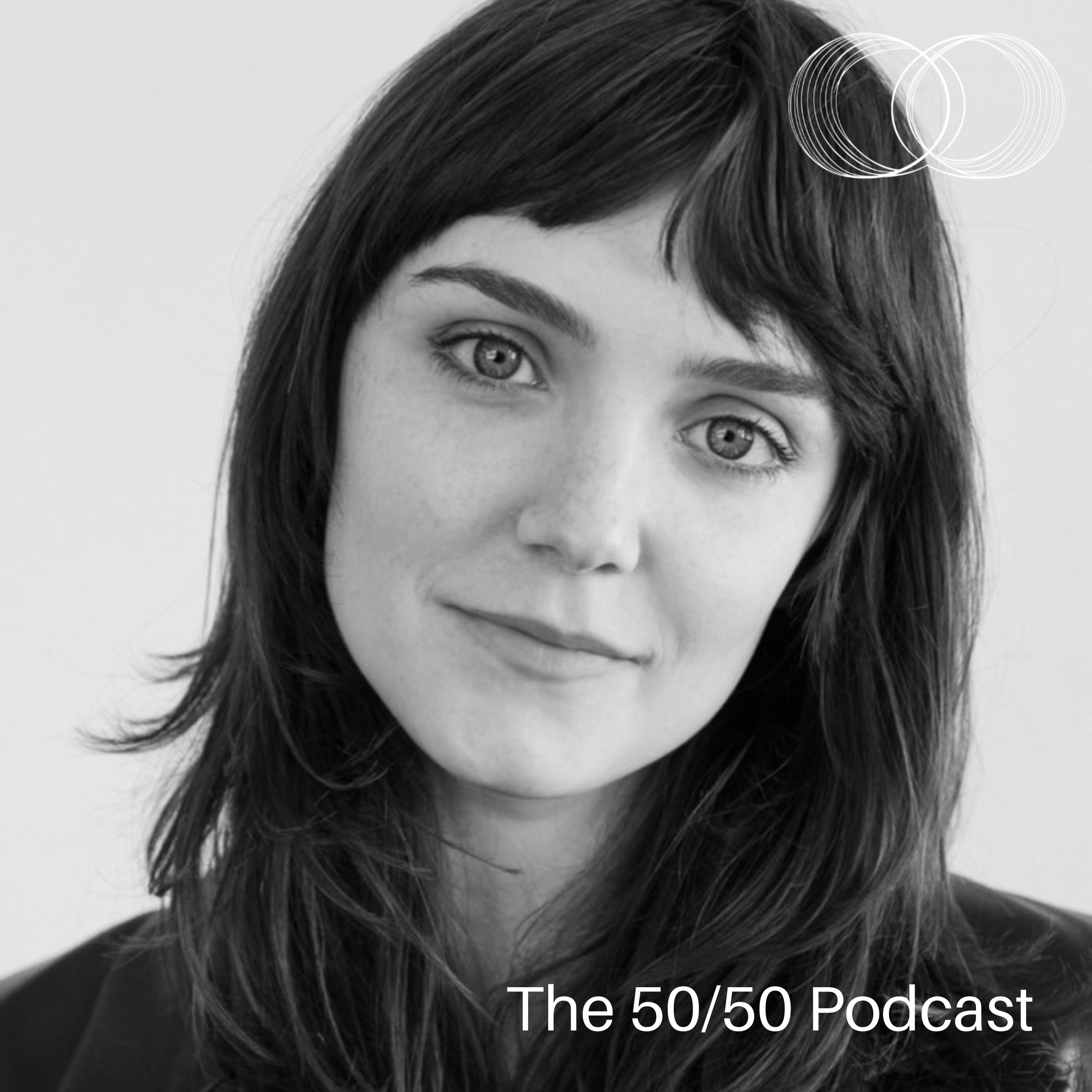
[00:01:06] Speaker C: This week, we talk with writer director Parker Fenady. Her short film, I Didn't like you premiered at May's 5050 Comedy Festival and has since garnered hundreds of thousands of views. Through discussing the film's groundedness and delicate way of approaching budding relationships, we begin to look inwards, discussing how each of us manages relationships, specifically in an industry that requires fielding vibrant personalities and complex social dynamics. What is it like to come of alongside the characters you write? It's one of the most honest discussions we've had on the podcast yet. Enjoy.
[00:01:47] Speaker B: We just had Johnny Marks here, and he was freaking out knowing that you, Parker Fenady.
[00:01:55] Speaker A: I can't believe I'm warming his seat.
[00:01:56] Speaker B: This is, like, you really are everything to me.
And we were talking about seance, which is the OG one of the OG 5050 films.
Also. Just you and Johnny and I don't know who else was.
[00:02:10] Speaker A: Liv and Sarah.
[00:02:10] Speaker B: Liv and Sarah.
[00:02:11] Speaker A: Yeah.
[00:02:11] Speaker B: Okay. Shout out, Liv and Sarah.
[00:02:13] Speaker A: Shout out. Shout out. Liv and Sarah.
Yeah. That film really takes me back to, like, the most beautiful time ever.
[00:02:19] Speaker B: Really?
[00:02:20] Speaker A: Yeah. It was so, like, fun to make. It was like, for a class in college.
[00:02:25] Speaker B: What class was it? Just like a 310 or something?
[00:02:27] Speaker A: No, actually, it was a really, really strange class that happened for one semester. And then USC called the professor and was like, we don't want you anymore. And so because of that, I won't say his name, I think.
[00:02:36] Speaker C: Oh, my God.
[00:02:37] Speaker A: But it was like, how do theater kids make film?
[00:02:39] Speaker C: Oh.
[00:02:41] Speaker A: And it was strange. It was strange for a kid that's
[00:02:43] Speaker C: genuinely appealing to me.
[00:02:44] Speaker B: Yeah.
[00:02:45] Speaker C: That's like my whole existence.
[00:02:46] Speaker B: Theater. He's a theater guy.
[00:02:47] Speaker A: Yeah. You can. You can ask Johnny off camera about how good or bad that teacher was at doing it, but we were kind of like, okay, let's take a.
Let's just like, make a skit. And it was Johnny's idea. The film was.
[00:03:01] Speaker C: Yeah.
[00:03:01] Speaker A: And it was his. He wrote the draft of it, and then he came to me with it, and then we kind of collaborated on where it came to. And then he was like, do you want to direct it? And I was like, that's sweet. Hello.
[00:03:12] Speaker C: Had you been like, did he know you as a person who could direct at that point?
[00:03:16] Speaker A: Which is a group session.
[00:03:17] Speaker B: Oh, right.
[00:03:18] Speaker A: So that was kind of. Yeah, I know. We had already.
[00:03:20] Speaker B: I thought group session was like a recent. Not recent, but, like, more recent site.
[00:03:23] Speaker A: It's because it took much longer because it was like a 20 minute short.
[00:03:27] Speaker C: Whoa. Right.
[00:03:27] Speaker A: But seance was. We, like, genuinely turned it around in, like, a day.
And it was funny because we, like, me and Sarah showed up in the same pajamas, and we were like, okay, well, write that in. Like, it was really. It was like, you know, on the fly.
But it's one of my favorite things I did in college because it was so fun. And it's also really random that I was in it. I know Teresa was meant to be in it, and Teresa, I, like, had sketch comedy practice or something.
So. Yeah, it was, like, in a very fun way. One of. One of our babies. I look back on that and I'm like, that's a deep cut, man.
[00:04:00] Speaker C: It's a deep cut.
[00:04:01] Speaker A: It's a deep cut.
[00:04:02] Speaker C: We'll probably link it absolutely below.
[00:04:04] Speaker B: Yeah, yeah, we'll have to. We were saying it got. It has, like, a bunch of views now.
[00:04:07] Speaker C: Does it?
[00:04:08] Speaker A: Yeah, guys, see, I got to keep up.
[00:04:11] Speaker C: Who knows? It's foundational to you and foundational to us in the festival. Like, it's a. It's a big deal.
[00:04:17] Speaker A: It's so funny. I, like, watched it maybe a year ago, and I was like, that is hilarious. Johnny's just so good. I think. I think when you take a partnership, like, like what we had in college. And I can see so clearly like from the outside of it now why it was so awesome and helpful for both of us. Right.
Because he's so creative and so funny and I don't know what I brought to it, but he brought those things and it worked really well. It was like very well.
[00:04:46] Speaker C: He what. What he says about you and. And your partnership is he is kind of a self described, like creative who is just like a bunch of energy. And you as a director, producer, are able to like harness that energy to some extent. That's kind of what I gather from him.
And he needs someone who's like organized and so.
[00:05:08] Speaker A: He said he needs me. He said he needs me and he misses me and he wishes he was here now.
[00:05:11] Speaker B: Yeah, exactly.
[00:05:12] Speaker A: Nice.
[00:05:12] Speaker C: And he had work. Yeah. If anything, Parker has a plan is what he said. He's just like. He was so complimental.
[00:05:19] Speaker B: Weren't you actor first for a certain amount of time?
[00:05:22] Speaker A: Yeah.
[00:05:22] Speaker C: Because you were in drama school, right? Yeah.
[00:05:25] Speaker A: This is a good. Yes. So I grew up like a theater kid like you.
[00:05:28] Speaker B: I.
[00:05:29] Speaker A: And so obviously like when you grow up a theater kid, you do theater like you're the actor.
[00:05:33] Speaker B: Yeah.
[00:05:35] Speaker A: And I loved doing that. I did that through school, through high school, and I did it in college as well. I think when I was like 17ish, I really realized that not being an actor was an option. Like I was always the thing I did that like got out my creative, you know, if you could say that.
[00:05:54] Speaker C: Yeah.
[00:05:55] Speaker A: And then I was like, I love, but I would like write skits. And I was, you know, me with my flip camera doing my little videos. Like I didn't realize that was something I could pursue though. I think when you're young and you're a girl and you say, I love movies, everyone tells you you got to be an actress. I think if you're young and a boy, they tell you you should be a film director.
So it kind of took a second.
And then in college is really when I. Because I didn't even apply to USC for film school. I applied right. As like an Englishy narrative studies major. And then I. Once I got there, I realized you I could do film school.
[00:06:28] Speaker C: Yeah.
[00:06:28] Speaker A: And so I. I did like an
[00:06:30] Speaker B: internal transfer to production.
[00:06:32] Speaker A: Were you to cams?
[00:06:33] Speaker B: To cams.
[00:06:34] Speaker A: Because I was a double major technically,
[00:06:36] Speaker B: what I did all coming back now years ago. Yeah.
[00:06:39] Speaker A: It was not allowed by the rules because I luck this is like what Covid did for me. I was a theater or was I? No, I was a cams major first and then I wanted to go abroad to do the drama school. But.
[00:06:54] Speaker B: Wow. Where do they. Where is that abroad?
[00:06:56] Speaker A: London. It's really great. Really? Really? You do a semester of drama school, they give you 16 credits back. Wow.
[00:07:01] Speaker B: Really amazing.
[00:07:02] Speaker A: Very cool program. Would recommend it, but my CAMHS advisor retired or went on leave halfway through my, like, sophomore year, and no one replaced her. And so, like, the person in the film school who says, like, you can't double major, I never met with.
[00:07:17] Speaker B: So you did your thing.
[00:07:18] Speaker A: So I. So I added it. No one stopped me.
[00:07:20] Speaker C: You really had, like, just kind of professors who would just, like, leave and kind of. You had like, a bunch of people at usc.
[00:07:26] Speaker A: Yeah, there's a lot of adjunct behavior at usc. It's like film industry people. I remember that class was so funny.
[00:07:32] Speaker C: You're kind of in and out.
[00:07:33] Speaker A: I had professors who were like, go on a walk with me, kids. This business is bad.
You think I want to be here teaching all you. Your shits? I don't want to do that. You know, like, that whole thing, like, it was very funky.
I think there's something really cool about that in character building.
[00:07:50] Speaker C: Totally. They're not teachers at the end of the day, you know, they're just like, people who will just be honest and like.
[00:07:56] Speaker B: That's so true. Like, the film school situation is just like a bunch of, like. No, A bunch of people who just,
[00:08:01] Speaker C: like, want, like, healthcare.
[00:08:02] Speaker A: Yeah. Like, did their. No, like, did their job.
[00:08:04] Speaker B: Some civility its own.
[00:08:06] Speaker A: It's funny, growing up in la, like, four.
Four kids who I went to high school with their parents or professors at usc, and I would, like, see them. I'd be like, oh, my God, like, I was in your house when I was 16, you know, like.
[00:08:18] Speaker C: Yeah. That's crazy.
[00:08:19] Speaker B: That is a little strange.
[00:08:20] Speaker A: It is a little.
[00:08:20] Speaker B: Where did you grow up?
[00:08:21] Speaker A: In the Valley, in Charlottesville.
[00:08:23] Speaker B: Okay. Okay. Did you go to Oaks Fishing or something or.
[00:08:25] Speaker A: I went to Buckley.
[00:08:26] Speaker B: Buckley. That's right. Okay.
[00:08:28] Speaker A: Of the Shards of Bret Easton Ellis fame.
[00:08:31] Speaker C: Yeah, we play Buckland.
[00:08:33] Speaker B: Yeah, we played Buckland and all.
[00:08:34] Speaker A: It's weird. There's about to be a TV show set there.
[00:08:36] Speaker B: No way.
[00:08:36] Speaker C: Really?
[00:08:37] Speaker B: Yeah.
[00:08:37] Speaker C: Like, actually, like, the shards.
[00:08:39] Speaker B: Are you, like a story?
[00:08:42] Speaker A: Yeah, yeah. And it's like, oh, like the Buckley Griffin, which is our high school's mascot.
[00:08:47] Speaker B: That's fun.
[00:08:47] Speaker A: The field. Like, it's. It, like, takes place in the high school murder mystery.
[00:08:51] Speaker C: Oh, interesting.
[00:08:52] Speaker A: It's.
It's like some of my friends were auditioning for it.
[00:08:55] Speaker C: Yeah. So you. I feel like you really grew up, like within the industry. And you kind of knew, like, when did you.
Did you have it figured out from the beginning or, like, what was, what was your view on the industry like, growing up and everything?
[00:09:08] Speaker A: Interesting.
I.
So I grew up. Yeah, I'd say I grew up around it a lot. I think when you're from la, that kind of happens. But when I was younger, my dad worked in it and so I grew up on film sets and I grew up like watching and that kind of thing. And then he, he left the industry when I was like 10ish.
And so it was like an interesting. It was an interesting thing to watch because I feel like everyone, you know's parents also work in film.
[00:09:38] Speaker B: Right.
[00:09:39] Speaker A: I honestly just didn't think that anyone's parents did anything that wasn't working in film for a while, which is crazy. I think it was really.
My experience was nice insofar as I grew up seeing film sets. And then when I kind of had my, like, coming of age, I wasn't on them. You know what I mean? And like, I realized, like, oh, this is a really specific job that so few people have. I just happened to be surrounded by a lot of people who do. And so, yeah, I think I realized how fleeting it was and how, like, you take a step outside of it. Like, I was almost like in it and then I was like, whoa.
[00:10:15] Speaker C: Yeah. You know, and that's when you were actually like learning about yourself as a person, you know? So you had that sort of like separated view.
[00:10:22] Speaker A: Yeah, I'd say as a.
[00:10:24] Speaker B: As a kid from Los Angeles, I think it's so important whether you're wanting to be a film maker or just in film in general or just like, just a human in general. I think it's so important to get out of Los Angeles and like have that distance, then go back into it because it is such a bubble. Have you done it to get out of la? Yeah, I mean, I. I lived in Rome my first semester school and it like shattered.
[00:10:48] Speaker A: Yep.
[00:10:48] Speaker B: My reality.
[00:10:49] Speaker A: Oh, my God. It, you know, you have that one coming of age, you leave experience. That's like kind of what I. Almost all of my writing is about.
[00:10:55] Speaker B: Yeah.
[00:10:56] Speaker A: That time in my life.
[00:10:56] Speaker B: Yeah.
[00:10:57] Speaker A: When I went to London.
[00:10:58] Speaker B: But you did, so. So you ended up going. Yes. Okay. I thought like, Covid got in the way of that. So you told me.
[00:11:03] Speaker A: Oh, no, no, no. I went, oh, my gosh. I went in 2021.
[00:11:08] Speaker B: Whoa.
[00:11:08] Speaker A: Yeah. Drama school.
[00:11:09] Speaker B: And so how. Talk about that. That sounds amazing.
[00:11:12] Speaker A: It rocked the first half of the program. Actually, I. I don't really need to talk about the program, but my experience there was amazing insofar as I think I had come out of a few years of hopping from, like, a small high school into, like, a huge college.
[00:11:26] Speaker C: Yeah.
[00:11:27] Speaker A: Fish out of water. Was really struggling with, like, I. I don't know, just growing up because LA is so small. It's like everyone knows you and your story, whether you like that or not.
[00:11:36] Speaker B: It's like, oh, you're this person's kids.
[00:11:38] Speaker A: Yes. Oh, I know your brother. And la, la, la. You know, that whole thing.
So for me, USC was huge. And there was this. The college culture was very different than the culture I grew up in.
And I was like, whoa. Almost relieved when Covid happened that I
[00:11:54] Speaker C: could kind of just have like a reset.
[00:11:57] Speaker A: So by the time I actually went to London, what was great about it is that the small class sizes and like, the creativity and having a cohort of like, 15, 20 people who are like, your people.
I think for the first time in a few years, I let people get to know me, and it was such a gift. And as I let them get to know me, I really got to know myself. Like, it was the first time I've ever introduced myself to people, I guess.
[00:12:18] Speaker B: Yeah.
[00:12:19] Speaker A: Which is crazy.
[00:12:20] Speaker B: Totally relate to that.
[00:12:21] Speaker A: You have to. You have to, like, know who you're introducing.
[00:12:24] Speaker B: Yeah. You know, I was an athlete my entire life and then got injured and I was soccer in lacrosse, but I got. I was like, doing the whole thing, going to school for it college wise, got injured and had an opportunity to either hold a year and then go to college for sports, or I got into USC off a whim and never thought I'd ever go there. Like, film was not really top of mind. I was just like, sure, that sounds interesting, whatever.
But this Rome opportunity came up and I said kind of screw it and went to Rome and introducing myself for the first time in so long to people and like, meeting new friends, all of a sudden realizing, oh, like, I. I kind of do have a skill at doing this. I just have never really outside used it.
[00:13:06] Speaker C: Like, outside of. There's like, we talk about so much how sports were so helpful.
[00:13:10] Speaker A: Yeah.
[00:13:10] Speaker C: But in a way, it was like being on a team always was built in friends.
[00:13:15] Speaker A: I think, oh, my gosh, I find it so helpful teams. I think a lot of my experience on sets and the success I've found in, like, the place I have on
[00:13:23] Speaker B: sets comes from teams a million percent. And I guess returning to just going to Rome for Me and introducing myself. Like, it was a new identity. It was like, this is. I'm not. I'm no longer. No one knows me as like, the lacrosse kid. Yeah. Or the soccer guy. It's like, oh, wait, no, this is Luke, who's also a student and he's from here. Like. And it was like this breath of fresh air of like, I can. I can say something nuts to you. And you're going to believe it because
[00:13:47] Speaker C: how am I introducing myself exactly? And those. There are specific. Those are really important moments in life. Like whether you go to a summer program and you're like, having to frame yourself or other people frame yourself for you. Which is something that I felt like I went to, like, this NYU writing camp thing.
[00:14:07] Speaker B: Yeah.
[00:14:07] Speaker C: Summer high school thing.
And immediately people started calling me Hollywood.
[00:14:13] Speaker A: That was my God.
[00:14:14] Speaker C: And I was like, I don't know. I'm not even. My parents aren't in the industry. Like, I don't know much about anything. I just like. Like theater or whatever. Like, I. I feel like I'm more like New York than Hollywood.
[00:14:25] Speaker A: Yeah. You give New York, if that is any consolation.
[00:14:27] Speaker C: Sure. But, like, thank you. But.
But they started calling and I, like, could not shake the nickname. So I was like, I might as well just like, embrace it and, like, have pride that I'm from LA and all that. But it was the first time when I was. I was like, nobody at Brentwood, at our high school would ever call me Hollywood.
[00:14:45] Speaker A: No. That's so funny. Well, that's the. I know. It is really kind of like an earth shattering thing to. To meet people outside of the ecosystem. Because there's such like a fascination with the ecosystem that also. I don't think I clocked before.
[00:14:57] Speaker C: Yeah.
[00:14:58] Speaker A: I met people who.
[00:14:59] Speaker C: Yeah.
[00:15:00] Speaker A: Which. It all makes sense. Like, it's. It's valid. I think it just was like, what.
[00:15:04] Speaker B: It's just different, you know? And it's so important to have that perspective and to jump out of it and meet new people and learn different perspectives as a filmmaker, as an artist. To be able then return, as you said, to that ecosystem.
[00:15:16] Speaker A: Yeah.
[00:15:16] Speaker B: And explore those things on the page or on set. And so for you as an actor, like, in London, were you just like, was it like a sandbox? Like, were you just playing? Can you talk about maybe. Did it help you, like, find your technique as an actor? Because we don't really.
We've spoken to a few actors on here, but, like, it'd be fun to kind of lean into that.
[00:15:36] Speaker A: For sure. Yeah. I think for me, at that point I had already decided I wanted to be more of like the writer director. And it was kind of a gift to have that decision because I got to really just have fun. Fun that the stakes.
[00:15:48] Speaker C: It wasn't the pressure on the career and all that.
[00:15:50] Speaker A: It wasn't like, oh, I got a really. You know, it was more like, like I fell in love with this like storytelling through this medium of theater acting.
[00:15:59] Speaker C: Right. Because you're getting. Because why? Because you're getting to read all these plays or.
[00:16:02] Speaker A: And you get to put. Basically the first half of the program was study and the second half was putting up a show and they like switched up the groups halfway through and. And you got to like do it in this black box theater in London. And it was really fun.
So I was like, this will be like my one last show as like a.
Like, I don't know, I wanted to really get back into my body and discover. Acting is, I think like the. There's. There is such a privilege of growing up in a city like LA where there's such like a vibrant arts culture where you really just grow up and play and are weird and you like wear weird clothes and you pretend you're like a grandpa and you, you like, that's. I like carried around a cane for like a year When I was 7, I was that kid.
[00:16:41] Speaker B: And like, people are probably like, oh my gosh.
[00:16:44] Speaker A: Yeah, they're like that kid funny.
And I. So I think there's something about London.
[00:16:50] Speaker B: They're like, are you okay in London? They're like, oh my God, I feel so bad. What happened?
[00:16:53] Speaker A: Like, yeah, yeah.
[00:16:54] Speaker B: So I think classic American.
[00:16:57] Speaker A: Yeah, they're like, yeah.
[00:16:59] Speaker B: No, literally 1600s.
[00:17:02] Speaker C: Okay.
[00:17:03] Speaker A: Yeah.
But, yeah, so it was nice, I think for me having that like creative. It let me just return to like something that I think before you get like a self awareness of like your teens or like. I just had a lot of stuff in my teens that was like I needed to kind of, I don't know, get at one with myself. And that really gave me the opportunity to do so.
[00:17:25] Speaker C: It's so fun. Like, acting serves so many purposes, but in this case it was like, it made you find yourself for sure.
[00:17:32] Speaker A: It was so silly to me it
[00:17:33] Speaker C: was about self discovery rather than like honing in a skill in particular.
[00:17:38] Speaker A: That's the thing. Like, it was like, I don't know, I came out of kind of like a really serious few years of my life and then they were like, writhe on the floor for like 10 minutes.
[00:17:47] Speaker C: Yeah.
[00:17:47] Speaker A: And I was like, all Right.
That kind of thing. And kind of just being able to be silly, not just by myself, like, be silly with myself and not punish myself for that and then be silly around other people. I was like, whoa, this is earth shattering. So I really. I think that was such a beautiful time in my life because you get to know. You get to know people so deeply in theater programs too.
[00:18:11] Speaker B: Like, quick, too. I mean, with any of that stuff. Yeah. What was the big takeaway for you coming back to the States?
[00:18:18] Speaker A: So right before I left, I had a film teacher tell me.
He was like, I love your films because I was making these shorts, and they were very, like.
Like abstract and cool and funky. I don't know. You should ask Cooper Roth about it one day because he was in that class.
But he was like, I just feel like you don't really know what you're saying yet.
And I loved that note. I keep that note to this day because he was like, your form perfect. Probably the whatever, like, best here. Like, I love it. They're just not saying something enough for me. And I.
[00:18:53] Speaker C: That's a great note. Honestly, like.
[00:18:55] Speaker A: And that's the thing about these funky teachers at usc.
[00:18:58] Speaker B: He's the one who took this around. Like, it's really hard to hear, but it's, like, tough.
[00:19:01] Speaker C: Like, how did you. How did. How did you feel in the moment hearing that?
[00:19:04] Speaker A: I think I was like, for sure. I. I agreed. You know what I mean? I.
I think there's something inside of you that can kind of. I don't know. It wasn't a hard note for me, but also, you know, that's. Maybe I wasn't there to be told. I was good at something. I was there to learn.
[00:19:21] Speaker C: Yeah.
[00:19:22] Speaker A: So when I came back, I just remember being like.
That's what I have to say a lot. It just was an experience where, like, you felt like you were in a movie the whole time. Like, everything that was happening, kind of. I was like, dang, I should be writing this down.
[00:19:36] Speaker B: As in, that's what I have to say of, like, okay, my. My message now is going to be fish out of water. What you learned from that? And, like, returning back home.
[00:19:42] Speaker A: Like, like, when I went to London, I. I answered that question, he asked me, like, what is it you're trying to say?
[00:19:48] Speaker B: I see.
[00:19:48] Speaker A: Yeah.
[00:19:49] Speaker B: Okay.
[00:19:49] Speaker A: I, like, found it there in a way that was, like, undeniable.
[00:19:53] Speaker B: I understand. I misunderstood. I thought this film professor was in London. No, no, this is pre London.
[00:19:59] Speaker A: No, he was a British professor in LA who was, like, taking us.
[00:20:02] Speaker B: Oh, my God.
[00:20:03] Speaker C: Crazy.
[00:20:05] Speaker A: My hero.
[00:20:05] Speaker B: So this was before London. London. Going there, taking this program allowed you to find that. Yeah, that meeting, that message. What was that? If you had to put. I'm sure you've pitched this a hundred times, but, like, I guess in, like, a general. Like, what is that pitch?
[00:20:17] Speaker A: I think it is when you're in your young 20s. Like, I think for young women, which is. Sorry, boys. Like, usually what I write about, like, how young women come of age through each other and how none of those experiences happen, you know, in isolation. I think through meeting people, like, falling in love with people platonically. Not platonically.
Like, there's so many people I could look to in my life and be like, I wouldn't be this person without you. In a way, that's such a gift. So I think kind of dissecting that has been the focus of my writing.
[00:20:51] Speaker C: That's like, that. That is.
That is broad in the best way, you know, because it can apply to so many different situations. And it's very interpersonal, and that's something that I've seen with your work. It is very. It's very grounded. Yeah. Like, we. We always talked about the. Even with the last comedy festival, which. You're short. Was like, you.
[00:21:10] Speaker B: Come on.
[00:21:10] Speaker C: Yeah, you. They're. They're comedy, obviously, as a genre spans so many different directions.
You know, more sketch, like, more abstract, then very grounded, and you're short. I think I've seen a lot of your work, but this one was like, this feels the most like your voice. People. What I thought.
[00:21:29] Speaker B: Loved it. People love it. Like. Like.
[00:21:32] Speaker C: Like, it's a kind of short that just makes you want to, like, live in that world. Like, I want to be at the bar with those girls, you know?
[00:21:38] Speaker A: Me too. Thank you.
[00:21:40] Speaker C: I mean, you are.
[00:21:41] Speaker B: And it's.
[00:21:42] Speaker A: To be fair, I make it into one frame of the film.
[00:21:44] Speaker C: Do you?
[00:21:45] Speaker A: One frame.
[00:21:46] Speaker C: I was just thinking spiritually, but there we go. Yeah.
[00:21:48] Speaker A: I'm standing outside the bathroom, and as she opens the door.
[00:21:52] Speaker B: How did I miss that?
[00:21:53] Speaker A: Because it's super, super quick, and I wasn't supposed to be there. I was holding, actually, technically.
[00:21:56] Speaker B: Oh, you're literally.
[00:21:57] Speaker A: I'm holding a monitor.
[00:21:58] Speaker C: Oh, there we go.
[00:21:58] Speaker B: Okay. That looks like an iPad kit or something.
[00:22:00] Speaker A: Yeah. Well, it just. I could be holding a drink. Like, you just see, like, arm. You get, like, one frame of arm. I know. I almost had to paint myself out.
[00:22:07] Speaker B: You didn't have to waste money. Yeah.
[00:22:09] Speaker C: Yeah.
[00:22:09] Speaker B: I didn't see it, but congratulations on that. Yeah. Side note, and Also on the success the film has had.
I know the numbers on YouTube and everything. I mean, it's incredible.
[00:22:21] Speaker A: Crazy. Yeah.
[00:22:22] Speaker B: If, if you're ready to, to jump there, I would, I would love to ask.
[00:22:26] Speaker A: Always ready to jump there.
[00:22:27] Speaker B: But like, how does that feel, seeing the response?
[00:22:30] Speaker C: And if you want to also, just for context, frame the film and then we can.
[00:22:36] Speaker A: Yeah. So my first short as writer director. I'll tell it to you guys because you're here.
I didn't like you. You've seen it. You know it well.
It's a story about three best friends who are going through a coming of age experience where one is going on a first date and so the other two naturally are going to go and watch and make sure she doesn't die or anything of that sort. This is something I did a lot when I went to London because we were like in a new city, kind of have to.
[00:23:04] Speaker B: Yeah.
[00:23:05] Speaker A: But often, often I was not actually.
Basically always I was the one sitting, watching, making sure everyone was okay. And I found there was a lot of like color and texture in that experience of watching, you know, because it's like two duos of dates. So basically in the short film, two friends are watching a day and then over the course of the night you realize, oh, the date's actually happening between the two friends and not the people at the bar. It's kind of like a little reversal.
So that's the premise. And I, yeah, I made this in 2024. It was the first like who am I piece really I ever made.
And I think when you make something, it's so nerve wracking and so many. But it's really beautiful because everyone there is only there because they believe in you. And I think the really cool experience about having like a first short like this and a lot of my friends have done is like the last person in that room who's gonna believe in you and be like, you should do this. Is yourself always so like, it's only when you get in that room you realize how many people show up for you.
I had that we shot on my birthday. It was really beautiful.
[00:24:08] Speaker B: That's amazing. Happy birthday. Yeah, that's cool.
[00:24:10] Speaker A: Yeah. I was like, sorry for the labor. Thank you.
But. And so we shot it and I just. Best actors, like genuinely everyone who's there. I was like, oh, this is something really.
[00:24:21] Speaker C: Did you know them before?
[00:24:22] Speaker A: I knew one of them before and then one of them. Ish.
[00:24:25] Speaker C: Yeah.
[00:24:26] Speaker A: But no, I met a few of them on through the process.
[00:24:29] Speaker C: Yeah.
[00:24:29] Speaker A: And then. Yeah, it did Festivals. And I was. I knew it so well because I edited it, like, every frame. I could close my eyes and do the movie. And I was like, I need to get away from this. And then when it came time to, like, release it, I was like, oh, my gosh. Like, need to find a way to love this again.
[00:24:42] Speaker B: Yeah.
[00:24:43] Speaker A: Which I loved it the whole time. I just think when you're super close to something, it's like we talk about a lot. Yeah.
So I made the zine.
I was like, what if I made. Because I just watched the.
I Used to Be Funny and Shiva Baby, like, Vinegar Syndrome DVD extras. And I had a lot of fun with it. And I was like, wait, young, awesome girls my age can make DVD extras. You know, that's super cool. I feel usually it's only with, like, dated movies, like older movies. And so I made the zine, and doing that really got me back into it ahead of the movie.
And then it.
Film shortage wanted it, which was awesome.
[00:25:18] Speaker B: Yeah.
[00:25:18] Speaker A: And they rock. And I will be there, you know, champions till did it I die. I want to work with them ever. Because they really rock.
And it came out on the week of Valentine's Day, like, two years after, after we shot it. And one year, I think, to the day after our first screen.
[00:25:34] Speaker C: This is 2026. February.
[00:25:36] Speaker A: Yeah, this year came out this year.
And it immediately.
Yeah, like, started.
[00:25:42] Speaker C: Response.
[00:25:43] Speaker A: Yeah, response. Which was so surreal, I think, because when you make shorts, you don't do it because you expect people to watch them or because you expect to make money. Like, that's. You make it because you have something
[00:25:52] Speaker C: to say if you're trying to go viral. Making a short film is a lot
[00:25:55] Speaker A: of work to a slice of life short film that you literally can't cut a trailer for.
Make any other decision, I think, but.
Well, that's the thing. I literally never cut a trailer for it. That's where I was like, I don't think it's gonna, you know, or I don't. I didn't know. But I was like, you know, a lot of festivals want, like, a trailer. I was like, I don't know how to cut a trailer for this. Respectfully. So. And I didn't really do that much to promote, but it got, like, this traction and it has this, like, awesome, you know, like, fan base and, like, the letter.
[00:26:26] Speaker B: There's real fandom behind it. There really is. And I think, you know, the zine and like, the website that you've built and, like, you've really created this, like, I mean, that's world around it. Yeah.
[00:26:36] Speaker C: Which like that's, that is. That's just another version of what a trailer does in a way.
[00:26:41] Speaker A: Yeah.
[00:26:41] Speaker C: You know, I was like, I just spent like giving you a taste of the world, right?
[00:26:46] Speaker B: Yeah, that's. It's so worth it because. Because it allows those, you know, million people who've seen the thing to be able to go on this website if they want to and like, explore this world and live in it a little bit longer.
[00:26:57] Speaker A: For sure.
[00:26:58] Speaker B: You know, I know.
[00:26:58] Speaker A: It was so. I mean, it was so touch. It's been so touching, I think, to watch like, what people have to say about it, I guess, like letterboxd and such for people to describe it. The way that I have felt about films in my life that were formative
[00:27:12] Speaker B: to me, it's amazing.
[00:27:13] Speaker C: Yeah. And you get that on letterboxd, you know, because that's where the audience and I also.
[00:27:18] Speaker A: I think the. Luckily the audience has had my sense of humor and so they like it makes me laugh a lot of this stuff. But I think what, what was the most rewarding in it? Getting viewership for me because I haven't really practically changed that much in my life besides like a. My, like a lot of people took a chance on me to make this film.
[00:27:35] Speaker B: Yeah.
[00:27:36] Speaker A: And for me it's given me confidence to be able to like, look at them and be like, look at this beautiful thing that we've built and how it wasn't in vain and how it resonated with people.
[00:27:44] Speaker C: Yeah.
[00:27:44] Speaker B: What.
[00:27:45] Speaker C: What do you think about it made it so resonant. Like, what. What about that story?
[00:27:50] Speaker A: It's a good question. I think.
Really.
I almost wonder, I have kind of wondered if it like fell on the heels of that heated rivalry like a, like us, like a lived in depiction of a queer experience that was like, I keep saying, slights of love.
[00:28:08] Speaker C: Like a new queer experience.
[00:28:09] Speaker A: Yes. Like that new queer experience that I think there's been a lot of demand for and I've seen Coming, which has been really awesome.
Yeah. Something that, that you can watch no matter what your sexuality is and be like, I've felt that before. What was really cool to me is
[00:28:25] Speaker C: I think when you're friends with someone, you're like, maybe there's something more.
[00:28:27] Speaker A: Like the fact that you guys like it.
[00:28:29] Speaker B: It's like, yeah, yeah.
[00:28:30] Speaker A: This is like a good like storytelling or I guess like that's what you, you aim for is like for anyone, like Universal.
[00:28:37] Speaker C: Yeah, absolutely.
[00:28:38] Speaker B: Place.
[00:28:42] Speaker C: We'll be right back.
[00:28:48] Speaker B: I want to play like a Scary song from, like, a horror movie before this, but all the copyright stuff.
So I can't but imagine there's like a scary song playing right now. And it's like, oh, the 5050 horror festival is coming coming up. You need to submit your short film soon, by August 7th. August 7th is the deadline.
You have two months to submit your short film. You have two months. And then after that, there's another deadline.
Read it here first. Submit down.
Submit down if you dare.
Now. But for real, we have our horror festival coming up in October.
October 18th is the actual day. Get your short in by August 7th if you want to be a part of it. We look forward to viewing your submission on film freeway 5050 horror. Those are the numbers. 505 0, horror.
So I guess the flip side of, you know, the big numbers and all of this, you know, success and the letterbox reviews, are you feeling any sense of pressure for what's next? And I guess in thinking about what's next, are you, you know, thinking about a feature in the same vein? Like, are you. I don't mean to be putting this on you, and we don't have to talk about it if it feels like or something, but, like, where's your head at? I guess on the flip side of things, of, like, it's amazing to see this response.
Now I have to make my next thing. Or is it like, now I get to make my next thing? Like, all these people love me, you
[00:30:25] Speaker A: know, like, yeah, I think I. Going into it being released, I had a few meetings with some people that are like, meetings, you know, like, it had meetings, Meetings, meetings. Energy.
[00:30:36] Speaker B: Yeah.
[00:30:36] Speaker A: And what they were saying is, well, you have to have the next thing ready to launch. The day of this one, I'm like, what?
And I think there was, like, a week where I stressed myself out about that. And I called my friend Ethan and Ethan Lee, sound guy, who did sound on the film, and he was like, calm down. And I was like, okay. But in terms of, like, my slate, like, I was gonna make another short. Last year, I ended up having endometriosis excision surgery this. This year. So it's kind of overtaken my. My docket.
And I think having that breathing room has been maybe a nice thing.
[00:31:12] Speaker B: Yeah.
[00:31:13] Speaker A: Because now I had a plan. When I wrote this, I had three shorts written, and I was like, I'm gonna do 1, 2, 3, and it's gonna be a trilogy, and it's gonna tell one story through different characters, and if you watch them together, you'll understand that.
Which Is cool. And I still.
But since I've had some breathing room on that, I wrote this as a pilot, which has been going around and in the way that pilots do. Actually, I should send it to you guys. I think you'd have fun reading it.
And I am now. Which once you write your first pilot, they're like, first feature. And I'm like, cool.
So I've been writing that.
[00:31:50] Speaker B: It's. It's coming.
[00:31:51] Speaker A: Yeah. And it is based on the second short that I was gonna make.
[00:31:54] Speaker B: Okay, cool.
[00:31:55] Speaker A: And actually, I've taken since then the first sequence of that feature I'm making as a short next month.
[00:32:01] Speaker B: Cool.
[00:32:01] Speaker C: Great idea.
[00:32:02] Speaker A: Which.
[00:32:02] Speaker B: As a proof of or.
[00:32:04] Speaker A: Yeah, as a proof of concept. Because I think there's. Second short is. I love it. It's like, to me, like, the most. Like, it's like poking the most sensitive part of my body. I'm like, oh, this is like my baby. And I really don't want to mess it up.
[00:32:16] Speaker B: Yeah.
[00:32:16] Speaker A: And it's a little bit surreal and, like, funky in a way that I love. But I think in terms of finishing this feature, which is what I'm doing now, doing the short is going to get me really excited about it because writing the feature has been something that's been really exciting for me.
So it's kind of shifting my order in terms of.
I had number one, now number two is pushed to number three. There's a new number two. They have the same title. Trying to figure it out. And then number three, originally. I don't know.
[00:32:44] Speaker C: Right.
[00:32:45] Speaker A: I think it may just drop off and I. I think I'll probably.
[00:32:48] Speaker C: It seems like you're really still doing, like, a version of what you originally set out to do with different formats
[00:32:53] Speaker A: and everything and different characters.
[00:32:56] Speaker C: I was curious about, like, what. What does make it consecutive? Is it, like, thematically or. Because it's. Different character? Yeah. So, like, how would you be willing to talk about that?
[00:33:06] Speaker A: So basically, I kind of wanted it to be, like, called, like an Awakenings trilogy, I guess, in the first. The way that I saw it, this is what I came home from London with. Kind of ideologically.
[00:33:17] Speaker B: Yeah.
[00:33:17] Speaker A: It's like you experience an awakening. It happens in three stages.
Oh, my gosh. This is the best. Like, I. You meet someone, you're like, I'm at the top of the pyramid of self actualization. I understand life now. And it's. It rocks. And nothing's ever gonna get better or worse.
[00:33:31] Speaker C: And you're understanding it through another person.
[00:33:33] Speaker A: Exactly.
[00:33:33] Speaker C: It's like, essential to your Mission statement.
[00:33:35] Speaker A: And then the second. The second phase is realizing that, like, oh, everything that you had before this relationship, all the sticky feelings are still there. And you bring that into the relationship with you and you kind of realize, oh, being with this person can't fix me. And like, what am I to do? You know what I mean? When the person I was is being reflected to me through this person I love and the parts of me that. That are hard are.
[00:34:02] Speaker C: Yeah.
[00:34:03] Speaker A: Kind of facing the idea that, you know, that idea of like, oh, what. What I brought into this may sink this or. Etc. Etc, you know, kind of like once you have something to lose. I don't know, you know?
[00:34:15] Speaker C: Absolutely.
[00:34:15] Speaker A: Like, you don't really have to look at yourself until you're looking at yourself through the eyes of someone you love. So doing that for the first time
[00:34:21] Speaker B: is the second phase.
[00:34:22] Speaker C: Yeah.
[00:34:22] Speaker A: And then the third phase is.
Is like breaking up.
[00:34:25] Speaker B: I'm kidding.
Oh. Oh, Luke.
[00:34:29] Speaker A: It's true.
It's basically the idea is like, once you. The person who you were with when you had an awakening is gone, how are you. How do you still stay the person you were because of them? Does that make sense?
[00:34:41] Speaker B: Right?
[00:34:42] Speaker A: Like. Like through the context of this story, like, how do you.
How are you still a queer person if the person that. That in your mind made you queer or whatever is gone? How do you.
How do you do. How do you be queer if you're not doing queer things or something?
[00:34:54] Speaker C: How do you inhabit that?
[00:34:56] Speaker A: Yeah, and it could.
[00:34:57] Speaker C: It could. Like, obviously that is so beautiful, but it's a universal thing, this sense of coming of age. It could be a different part of a relationship that you learn from someone, and then when you lose them, it feels like you're losing that too, but you really aren't.
[00:35:14] Speaker B: You know, the breakup could also be breaking up, like a part of yourself, you know, like a layer of yourself or like an old version of yourself. Yeah. You know.
[00:35:24] Speaker A: Well, and it's not even. I think it's what works about it also is that I've seen this in, like, mentor relationships, like friendship breakups, which are a huge thing that I. Gnarly.
[00:35:35] Speaker B: Yeah. Damn.
[00:35:36] Speaker A: Real, real interesting friendship breakup.
[00:35:39] Speaker B: Yeah.
[00:35:39] Speaker C: Yeah, for sure.
[00:35:41] Speaker A: I think there's a lot of ways in which, like, again, just. It goes back to we. We come of age through each other. And like, weirdly, the kinship I've found with a lot of people in that experience has been something that's kept me writing about it. You know what I mean? Like, people being like, I resonated with this or actually, they've seen it in a lot Fun. They. They come to me with my sense of humor and they will say things. And I'm like, you can't be saying that out loud.
I'm like, you're gonna get in trouble. But actually, I remember the first time I met Kate.
[00:36:14] Speaker B: Sold out.
[00:36:15] Speaker A: Yes, of course.
[00:36:16] Speaker B: Okay.
[00:36:16] Speaker A: Kate. Of course I say first name.
[00:36:19] Speaker C: Kate is a first name at this point.
[00:36:21] Speaker A: The first time I met Kate, Kate walked up to me at, like, nifty and was like, your film made me want to put a gun in my mouth and pull the trigger.
[00:36:28] Speaker B: Yeah.
[00:36:29] Speaker A: And I was like, what does that mean to you? And then I. And then I got to know Kate and I was like, copy, copy.
[00:36:35] Speaker C: Oftentimes when Kate says something, I will be like, what does that mean to you? Yeah, there's a comma.
[00:36:41] Speaker A: But I was like, okay. Like, I. It's cool to see different. Different parts of it resonate with people. I don't know, like, I wrote it or I write. Cuz, like, if it connects with one person, it was worth it.
[00:36:55] Speaker B: Yeah.
[00:36:56] Speaker C: Yeah, absolutely.
[00:36:57] Speaker B: So are you, like, when. When.
Because I. I'm like.
I think relationships are super interesting, you know, and that's a very interesting kind of way to attack film and stories. And like, that's just where my mind goes. Like, that's an interesting way to do it. Like, are you the type of person that you hear a friend be like, I just broke up with someone. You're like, okay, like, tell me how, like, did what. What happened.
[00:37:26] Speaker A: I wish. Honestly, I wish. What I'm trying to learn right now is to write outside of my own experience.
[00:37:32] Speaker B: So. But with your past experience, are you like, I gotta date a bunch and I gotta, like, see things and I gotta do this and do that, or is it like, unfortunately, I'm going back
[00:37:41] Speaker A: to the well a lot instead of getting new material. I think for me there. I define my life often when I think about it as, like, there are times where you're living your material and times where you're writing it.
[00:37:52] Speaker B: Yeah.
[00:37:52] Speaker A: And it's really important to know which.
[00:37:54] Speaker B: So it's great.
[00:37:55] Speaker A: And so I. I'm not. Usually when I'm like, oh, I need to find something new to write about. Not gonna happen.
[00:38:01] Speaker B: Yeah.
[00:38:01] Speaker A: And I. And that's okay. I've learned, I think part of what. What, like, the meditative part of being a writer is making peace with that. Like.
[00:38:08] Speaker B: Yeah.
[00:38:09] Speaker A: But you can just find, like, there's unfortunately, so much from my past material. I cannot. You know what I mean? I think you can look at when you're an introspective mind, which I spend too much time up here, arguably. I always find new things that I'm like, unravel this a little bit.
[00:38:24] Speaker B: Yeah, yeah. So that for you, it's more about unraveling these experience. Experiences. Yeah. Okay. And have you found.
Because it's interesting to then go into relationships with that kind of understanding and experience, but also just, like, the fact that you have spent the time unraveling certain dynamics and relationships, you can then take that knowledge and experience and go into a new relationship kind of with this new set of expectations.
[00:38:48] Speaker C: Yeah. It's a framework. It's a frame of mind that you, like, would go into a relationship.
[00:38:53] Speaker A: Yeah, spooky.
[00:38:55] Speaker B: Spooky. But also very positive, where it's like, you can have really incredibly fruitful relationships. And, like, again, the breakup piece, where it's like, it doesn't have to necessarily be a breakup. It could be a breakup of the past version of yourself. Yeah.
[00:39:07] Speaker A: I think a lot of when you write about relationships, the way it works as a framework is because you're writing about yourself.
[00:39:12] Speaker B: Yes.
[00:39:12] Speaker A: Or you're writing about your experience because they make you, like, dig so deep.
[00:39:15] Speaker B: Yes.
[00:39:16] Speaker A: But, yeah, I talk a lot with my artist friends about.
What do you do when you're, like, someone who's this age? Like, you don't want to.
I don't know. It's hard to go into things with the idea of as, like, a writer, you know, when you're, like, dating a writer. Oh, God.
[00:39:31] Speaker B: You know, Like, I've definitely made decisions in my life where I'm like, this would be a good scene. Like, I shouldn't do this, but this would be a good scene and I'd do it.
[00:39:40] Speaker C: That's the thing, you know, I have as well. I feel like I tried to. I did that a lot in college, and I tried to not do that as much, you know? Or like, just, like, I've had fucking. Oh, my God. Well, that's crazy.
[00:39:55] Speaker A: Like, I think often the things that I write about are the things that I couldn't help doing. So they're not the things where I'm like, maybe I do this, maybe I do that.
[00:40:03] Speaker B: It's like, just way more. Yeah.
[00:40:05] Speaker A: It's like, have you ever been in
[00:40:06] Speaker C: an argument with, like, a someone? And then.
[00:40:09] Speaker A: And then.
[00:40:09] Speaker C: Wait a second.
[00:40:10] Speaker B: I could be like, yeah, you're like, wait.
[00:40:12] Speaker C: Or I could be like, wait. But it's so heated. This is such a good scene. Like, it's such good dialogue.
[00:40:17] Speaker A: I know. Like, yeah, it is. It is challenging.
Yeah.
[00:40:21] Speaker C: It's so hard being an artist, you know?
[00:40:24] Speaker A: Frick, man. So difficult.
Yeah, it's. It's also. I don't know, I find it interesting. Oh, I don't like that word. I find. I find the process of getting more into it, like, I. It's more asking questions than it is answering them. Like, I'm like, how do you go into your life and not, for example, like, how do I not mine out every experience that I've ever had until they're empty. Right. Like, I'm returning to get like a hit of a feeling. And how many times can I get a hit of that feeling before that feeling's gone in my past?
[00:40:53] Speaker B: Yeah.
[00:40:53] Speaker A: Also, like, going into my future.
I don't. You don't want to go into something knowing you could one day use the memory of them in your writing.
[00:41:03] Speaker B: Totally.
[00:41:04] Speaker A: And so.
But also, you can't help. I. The consolation is, in which is I've seen, said, I've discussed, you know, with. With folks of my past is that like, I can't. I haven't been able to or tried to write anything negative about anyone I've ever loved because I just, you know, even if it goes bad, like, maybe one day I'll get there. I don't think so, though. I think. I think seeing people is something that. It's like once you see someone, you can't unsee them. And unfortunately, when you write about them, or fortunately, you know, when you write about them, that. That stays with you.
[00:41:38] Speaker B: You understand, though, there is something really, really important of, like, developing the skill to be able to put yourself in someone else's shoes. And I feel like once you do that, it's kind of difficult to get upset at a level with them ever.
[00:41:53] Speaker A: Yeah, that's how I feel in relationships. Often it's.
[00:41:57] Speaker C: But it's such a. And like romantic relationships, anything, you know, literally, like random person on screen. I find something. Something that I feel like we've talked about even because we've talked about assistant jobs and. And various jobs in the industry and things like that, and jobs that are really, really hard.
And there's obviously crazy personalities in this business and like, to. To something that's been helpful for me personally is to, like, understand people who seem crazy as, like, how they became that way for sure. And what, like, what the actual intention behind what they're saying is. Yeah, because that's just like the note
[00:42:35] Speaker B: behind the note when they're yelling at you.
[00:42:37] Speaker A: Exactly. Right.
[00:42:37] Speaker C: I think that's so important.
[00:42:39] Speaker A: There's a lot. A lot of my writing is about what, unfortunately, has been, you know, or people have described to me as dysfunction. People will be like, yeah, there's a lot of dysfunction in your writing. And I'm like, I guess that's. That's right. But we are.
We're all dysfunctional. I think that's the most interesting part.
[00:42:57] Speaker C: Absolutely. Those are the most interesting things. That's like. That's why Fleabag works, you know?
[00:43:03] Speaker A: And I think also, like, this is the thing with women directors that I've noticed, and I. I just saw a clip of Olivia Wilde talking about this, is that we're so understanding, so empathic, so naturally that, like, you can work. That's why they say, like, girl friendship falling outs are way worse than boy friendship falling outs. Because they're like.
Because with boys, it's like, I don't want to be friends anymore. With girls, it's like, I'm going to destroy you from the inside out. Because I know what your mom used to say to you as a child, like, that level of intricacy.
But I think in terms of directing, it's like a real gift. We're almost like. There's, like a telepathic connection that, like, I've seen in a lot of deep understanding. Like Fleabag, for example. Great example.
[00:43:46] Speaker B: Example.
[00:43:46] Speaker C: Yeah.
[00:43:47] Speaker B: Nice, dude.
[00:43:48] Speaker A: Thanks.
[00:43:48] Speaker C: Hey, I try. I try to, you know, give give the references that.
[00:43:52] Speaker A: Yeah. One woman once in this interview.
[00:43:53] Speaker C: Yeah.
[00:43:54] Speaker A: Well, no, I was joking.
We've only mentioned women.
[00:43:57] Speaker C: Oh, yeah, yeah, yeah. No, it's good.
[00:43:59] Speaker A: Christopher Nolan.
[00:44:01] Speaker C: Yeah. Talk about it.
[00:44:03] Speaker B: Chris Nolan.
[00:44:03] Speaker A: Now we've even the score.
[00:44:05] Speaker C: Yeah.
[00:44:05] Speaker B: We should talk about invite. The invite.
[00:44:07] Speaker C: The invite. Because we were talking about that.
[00:44:09] Speaker A: Yeah.
[00:44:10] Speaker B: So I haven't seen it.
[00:44:11] Speaker C: I haven't seen it. This happens sometimes where Luke's seen something that I haven't seen or.
[00:44:15] Speaker A: Now we're turning the tables.
[00:44:16] Speaker B: Yeah.
[00:44:17] Speaker C: Finally, I've seen one thing.
[00:44:19] Speaker B: Yeah, yeah.
[00:44:20] Speaker C: We were talking about it.
[00:44:21] Speaker A: The invite roll.
[00:44:22] Speaker C: But we. We loved it.
[00:44:23] Speaker A: What we were saying is that.
[00:44:24] Speaker B: Ruin the movie for me.
[00:44:25] Speaker A: I'm not gonna do that.
[00:44:26] Speaker B: No, no, please. I'm gonna see it. But just. Yeah, why not?
[00:44:30] Speaker A: What I was saying is that I saw an interview of Edward Norton, and he had said that the monologue. He has monologue. Spoiler.
[00:44:38] Speaker B: Okay.
[00:44:39] Speaker A: He had written it on his own, and he said, can the first time we shoot it be the coverage of Olivia hearing it? Because she had no idea what he had written because they shot chronologically. And so it was kind of like and this is, to be honest, this is the way that I love to build and I think the privilege of being at the level I am right now, where, like, it's not a bunch of other people's money being sunk into my work. And so the control is really mine. Like, it feels like a repertoire theater company every time we come together and do a short. Me and all of my friends.
And so they shot chronologically and he was like, can I do this monologue? They did coverage of her and it changed the entire ending of the movie.
I think Play.
The reason anyone sticks with this as a career is because it's so playful. And I'm like, it's so important.
[00:45:25] Speaker C: It's something that we constantly have to keep reminding ourselves.
[00:45:28] Speaker A: Yeah. And I think so long as it stays that way, I've found a lot of happiness in it.
[00:45:36] Speaker C: There's so much beauty in. In that play.
[00:45:38] Speaker A: Yeah.
[00:45:38] Speaker C: And in that ability to call on audible when someone delivers something amazing.
[00:45:42] Speaker A: And I admire in a project of that scale being able.
[00:45:47] Speaker C: I mean, that that project has been.
[00:45:48] Speaker B: I mean, which was incredibly independent, was it not? Yeah.
[00:45:51] Speaker A: It was like a Sundance movie.
Yeah.
[00:45:54] Speaker C: It had gone through a million different versions of casting and directors and stuff like that.
[00:45:58] Speaker A: Because it's indie.
[00:45:59] Speaker C: Yeah. Yeah. It was at Filmation for a long time. And it was just like. I think Olivia really took it on and ran with it and the casting was amazing. Everything was amazing about it.
[00:46:09] Speaker A: Book smart guys, that movie.
[00:46:11] Speaker C: Yeah.
[00:46:11] Speaker A: But like, she's had this awesome. Since the beginning.
[00:46:13] Speaker C: She is such a good actor.
[00:46:16] Speaker A: I know.
[00:46:16] Speaker C: Like, that that was from the first scene. I was like, this is an Oscar level performance that she is.
[00:46:23] Speaker B: Wow.
[00:46:23] Speaker C: She is giving.
[00:46:24] Speaker B: All right.
[00:46:25] Speaker C: That was a huge takeaway from me. I was.
[00:46:28] Speaker A: I was really impressed with Seth Rogen's acting too.
[00:46:30] Speaker C: Yeah. Like, the way he's gotten much better as a serious actor.
[00:46:34] Speaker A: I. The way that they were able to.
[00:46:36] Speaker C: Each other maybe from the studio.
[00:46:38] Speaker B: Yeah, I guess. Naturally.
[00:46:39] Speaker A: Yeah. Studio. So good. Yeah, that's.
The studio is so good. And when people ask what it's like to grow up in la, it's that it's like, it's like watching the studio and. But you're the camera because you're just a child watching everyone who's an adult.
[00:46:51] Speaker C: Right. Who's just freaking.
[00:46:52] Speaker B: So you, like, really lived on sets growing up.
[00:46:54] Speaker A: Yeah.
[00:46:55] Speaker B: What was that like, awesome?
[00:46:57] Speaker A: It was like the. You know how like the playful child's mind, it was like reflected around you. I think it was dressing up like, not only that, like on backlots where you. You walk into a room and you're in a jungle. You walk into a room, you're in
[00:47:12] Speaker C: whatever, like, sets and everything.
[00:47:14] Speaker A: It really did.
I think often people talk about, like, constricting the child's mind.
And I think growing up in the creative environment that I did allowed a few more years of it to expand.
[00:47:25] Speaker C: Yeah.
[00:47:26] Speaker A: Before it then clamped down, you know.
[00:47:28] Speaker B: Yeah.
[00:47:28] Speaker A: As it. As it eventually does.
[00:47:30] Speaker B: Yeah.
[00:47:30] Speaker C: It's always going to.
[00:47:31] Speaker B: How. How have you been able to sustain that, like, child's mind? And you mentioned play and people who survive in this industry, or at least enjoy it to the fullest.
[00:47:42] Speaker A: Yeah.
[00:47:43] Speaker B: Are able to hold on to that, like, sense of play. How do you bring that to set today?
[00:47:50] Speaker A: Yeah, I think it was a matter of losing it for a while.
For, like, a good, good while in my life. Like, I had just some serious years. I'll just describe them as serious years in my life. And when I went to London is where I found it again.
[00:48:03] Speaker C: Also, to me, like, acting, that sense of, like, that's how you get.
[00:48:07] Speaker A: Exactly.
[00:48:08] Speaker C: You know, that's how you play.
[00:48:09] Speaker A: It's almost like a fight. Like, when you build a fire, it's like you. You need to tend to the fire or else the fire will go out, and that's okay. That's like the joy of sitting by a fire. You know what I mean? We live in a very postmodern world, and then I think being able to do the upkeep is one of the gifts that we have as people. It's one of the things that makes us human.
Whatever.
[00:48:30] Speaker B: Yeah.
[00:48:31] Speaker A: Not to be too dramatic on the 5050 pod, but.
[00:48:34] Speaker B: No, we're getting deep.
[00:48:35] Speaker C: We get there.
[00:48:36] Speaker B: We're getting deep.
[00:48:36] Speaker C: This episode.
[00:48:37] Speaker A: Yeah. I mean, I think for me, like, it's a lot of.
And unfortunately, I keep saying, unfortunately, it's all good things.
[00:48:44] Speaker C: Everything's fortunate.
[00:48:45] Speaker A: Yeah. I think the introspecting, it's hard to turn off.
And so it's okay. You know, like, the amount that it takes to keep the child's mind. I think it's who you surround yourself with. It's your everyday life. It's the people you surround yourself with.
And.
And I've really worked on making both of those things really strong in my life.
[00:49:07] Speaker C: Yeah.
[00:49:08] Speaker A: And I also think it's a matter of knowing who you are offset, because I think when you come to set to try and get an experience, it's a mistake. And I think there's a sense of, like, who am I? That comes with that. I see a lot of people who have that feeling of burnout because they come to set to feel something.
If you come to set with who you are, you're able to give your experience and perspective as a gift and you're able to like, get something in return.
But I think when you go to it to get something, there's this feeling of like using. You're. You're using a credit card and you're reaching your limit.
[00:49:42] Speaker B: Kind of. Kind of sounds like set is a relationship in itself.
[00:49:46] Speaker A: It's like. Yeah, it's like something like partner itself. Well, that's. I mean, I think you can look at.
That's why when people say, like, can I be in a relationship right now? But this is the main question I hear from my friends. Can I be in a relationship right now or do I have to focus on my career? You're choosing one over the other.
[00:50:01] Speaker B: Shouldn't.
[00:50:03] Speaker C: Should you.
[00:50:04] Speaker A: I'm just asking questions.
[00:50:05] Speaker B: Should you?
[00:50:06] Speaker A: Luke, I just have questions, not answers.
[00:50:08] Speaker B: Yeah, no, it's true. It's true. I don't know. I think it's. I think relationships are so important. I really do.
[00:50:13] Speaker A: Yeah.
[00:50:14] Speaker B: I think you learn so much about yourself. I think with the right people, they're very important. Even with the wrong people too. You know, it's like you learn a lot from that. But I do really think that relationships are incredibly important for peers in our group. Yeah. For growth.
[00:50:28] Speaker A: Yeah.
[00:50:29] Speaker B: Responsibility wise. I think it's really important for us to. In this industry to like, have some sense of like. Because if. If you're just alone, you know, all day, which is totally fine. But I. I think it'd be a hard to just 24, seven. Yeah. You know, you're just with yourself. Grinding, grinding, grinding, running, running.
[00:50:50] Speaker A: Well, that's. I. I think in my perspective of
[00:50:53] Speaker B: a relationship, could be the friends too, I guess.
[00:50:54] Speaker A: You know, I think I watched for the first few years of my life, my dad have an experience with his job that was. It was everything in his life.
[00:51:05] Speaker C: Yeah.
[00:51:06] Speaker A: And then I watched him go through this experience of who am I without it?
And I think it was kind of like a really awesome setup. As in terms of like describing it as an awesome setup is crazy considering the context. But I think for me, what it taught me about, like the life I want to live is if you make your job any. Everything, you know, like there's. There's so much life to be lived outside of it. Who are you without made me want to build a life for myself in a way that's really holistic.
[00:51:37] Speaker C: I guess.
[00:51:38] Speaker B: You Know, I think balance leads to so much creatively too. And I think the beauty. And we spoke about this with Johnny, but like life as an artist, I'm not just a filmmaker, but like life as an artist, as a creative. It is a lifestyle.
You know, if, if you're committing. This is a year, a lifelong journey. It's not like a year or two years or three years. It's like, no, this is.
It's you.
[00:52:04] Speaker A: Yeah.
[00:52:04] Speaker B: You know, and so it's. I think it's just as equally important to grind as it is to make sure that you are like properly giving yourself the time and like nurturing yourself. And I think relationships are almost like a gift in a way of like,
[00:52:22] Speaker C: relationships are gonna be the thing that, that gets you in the place where you can go on set and.
[00:52:29] Speaker B: Yeah.
[00:52:30] Speaker C: And not just like, yeah, soak up everything and like be giving and selfless and provide the right vibes, you know?
[00:52:37] Speaker A: Yeah.
[00:52:38] Speaker B: I mean, you've been in a long term relationship. Like, what, what is, how is that?
[00:52:41] Speaker C: Well, when you talk about. I was going to like, when you talk about sense of play, like, I would say that like, but the main quality of my relationship, like, is humor.
[00:52:50] Speaker B: Yeah.
[00:52:50] Speaker C: And like the ability to feel.
[00:52:52] Speaker A: This is so sweet.
[00:52:53] Speaker C: The, the ability to feel like young and playful and stupid and hilarious. Like, that's, that is the thing that gives me the most energy.
[00:53:02] Speaker B: It's also you. It sounds like you're being yourself, right? Yeah.
[00:53:04] Speaker C: Yeah. And. And just she's being herself and I get, and we get to be that together and like exacerbate that in each other. And it's very, very. Like, it allows me to just like feel light when I even go to work and go into different rooms, you know, and like, it, it allows me to carry myself in a different way, you know?
[00:53:23] Speaker A: Yeah. I was just talking about this with a friend, the idea of like relationships and being an artist. And I think we were talking about specifically like queer relationships and, and why there's such a gift in them, which was that I think in like straight relationships there's. There's one way to do things and if you're outside of that, then you're outside the norm. And in queer relationships you're already outside the. There. There is no norm. And so it feels like you're creating something and building something. And I think that has been kind of the magic where like a lot of my. I think people are always like, oh, like there's a specific type of person that's an artsy person or even like, I Have a lot of male friends who date by girls, you know, I mean, like, I think there's something very cool about building something with someone.
[00:54:11] Speaker C: Yeah.
[00:54:12] Speaker A: And. And in like a. In a very postmodern world, when there isn't really much left to build, building something with someone is. Is like a meditation, figuring out what, though.
[00:54:23] Speaker C: Rules sound so weird, but, like. Yeah. What. What the. Like, the lore of your relationship, it makes sense.
[00:54:28] Speaker A: Like a purpose driven. Like, there's such purpose in that.
[00:54:31] Speaker C: Totally.
[00:54:31] Speaker A: Yeah.
[00:54:31] Speaker B: It's actually like the only real purpose.
[00:54:35] Speaker A: It's the only real thing we have anymore, maybe even.
[00:54:37] Speaker B: No, but I mean, like, as. As humans, it's like.
[00:54:40] Speaker A: It's.
[00:54:41] Speaker B: It's. You know what I mean? Like, that's a. It's like, no shit. It's satisfying.
[00:54:44] Speaker A: Yeah, no shit. We're thinking and talking about it often.
[00:54:46] Speaker B: Yeah. But it's like. It's. It's like that's literally what we are on this planet to do. You know what I mean? And like, I don't know. It's. It's.
[00:54:54] Speaker C: Yeah. The idea of building a family or building. Building like a life.
[00:54:58] Speaker B: Yeah.
[00:54:59] Speaker C: But obviously family means so many things. Yeah. Like building. Building a.
Your safety, for sure.
[00:55:04] Speaker B: You know, it's just. It's tough to hear about.
And I've. I've so many times have been in this boat of, like, can I do both?
And it's a really hard conversation. And I have to give credit to my older brother who has sat me down many times and said, it's you.
Like, you gotta look in the mirror and be like, oh, wait, no, I'm just feeling like this because I'm not.
[00:55:33] Speaker A: Yeah.
[00:55:34] Speaker B: Perhaps doing this. Whatever it is, like. You know what I mean? In a. In a very interesting way. And it's like. I think relationships are amazing for that because it, like, holds you accountable.
[00:55:44] Speaker A: Yeah. You know, I have a really strong relationship with my older brother.
[00:55:48] Speaker B: There you go.
[00:55:48] Speaker A: And.
And he definitely holds me accountable.
[00:55:51] Speaker C: Yeah.
[00:55:51] Speaker A: Similar way. Yeah. Like, relationships in all forms, they're really.
They're really valuable. Especially in this time of our life, like the twenties, really. A lot.
[00:56:00] Speaker B: We're blind.
[00:56:01] Speaker A: You know, guys, it's a lot right now.
[00:56:02] Speaker B: Yeah.
[00:56:03] Speaker A: The heck. Yeah, there's a lot happening, you know, all the time.
[00:56:06] Speaker B: Yeah. It's like the blindfold and you're just walking around, your hands out, trying to feel stuff.
[00:56:10] Speaker A: Yeah. Yeah.
[00:56:11] Speaker C: I do think you can do both.
[00:56:13] Speaker B: I'm saying. That's absolutely. I think so.
[00:56:15] Speaker C: That's the conclusion that.
[00:56:16] Speaker A: Do you think I can do both?
[00:56:17] Speaker B: Yeah, absolutely. Yeah.
But I think it's so important I do.
[00:56:22] Speaker C: And it's also like, in those moments, because I am going to be. I, of course I have those moments where I'm like, what. Like, what does my job demand of me? How does that fit into the rest of my life? Like, things are. Things are. Especially when you're starting out, like, life is crazy. But I. I think that you, when you think of, oh, I can't do it, you're looking at a very specific framework of, like, other people you've seen.
[00:56:46] Speaker B: Yes.
[00:56:47] Speaker C: And it's like, as. I assume it's Zach.
[00:56:49] Speaker B: Yeah, yeah.
[00:56:50] Speaker C: As Zach is telling you, it's like, you are you, are you. Nobody else has done you before.
[00:56:56] Speaker B: Exactly.
[00:56:56] Speaker C: You know? Yeah, nobody else has done you.
[00:56:58] Speaker A: No one's doing you better.
[00:56:59] Speaker C: So, like, duh, it's possible to do it. Go, go do it. Go try it, you know.
[00:57:04] Speaker A: Okay.
[00:57:05] Speaker C: I think it's good enough.
[00:57:05] Speaker B: That's exactly it, though.
[00:57:07] Speaker A: I'll see you guys later.
[00:57:08] Speaker B: Yeah, it's. It's such a real thing.
[00:57:10] Speaker A: Yeah.
[00:57:11] Speaker B: You know, it is the thing.
[00:57:12] Speaker A: But I also think, like, it's different when you have, like, job. Like, your job is job, and then there's like, freelance job, which is like, you're on, you're off, you're on, you're off.
[00:57:19] Speaker B: It's like, it's just a mental spaghetti.
[00:57:22] Speaker A: It is a mental spaghetti. And I think all of my friends are on one spectrum of. From that. And. And it's like, for different people in my life, I can kind of see the.
I can see both, you know, Like, I have some friends who are pretty dedicated to being like, I can't do that right now.
[00:57:37] Speaker C: Yeah.
[00:57:38] Speaker A: And I understand it absolutely.
[00:57:40] Speaker B: Sometimes you gotta lock in.
[00:57:41] Speaker C: And if you're saying you can't, you probably can't, or it's not the right.
[00:57:44] Speaker A: If you're saying you can't. Yeah, yeah.
[00:57:46] Speaker C: Don't do it.
[00:57:46] Speaker B: If you're saying definitely don't bring someone into that.
Yeah.
[00:57:51] Speaker A: It's all a matter of are you living your material or are you writing it? That's every phase of my life I can break down that way.
[00:57:56] Speaker B: Yeah, I really. I really understand that.
[00:58:00] Speaker A: No,
[00:58:03] Speaker B: yeah. It's a great way to put it.
This is. This is fun, though. It's. It's fun to have conversations like this, you know, and it's really important, too.
[00:58:11] Speaker C: It's one of. It's one of the. More like, it all sounds like, rather woo. But I do think it's actually really.
It's one of like, the Most honest conversations that we've had on the podcast of, like, starting out.
[00:58:25] Speaker A: Love that.
[00:58:26] Speaker C: Starting out in this. Like, the whole podcast is about starting out in the industry and how to. When it all seems so overwhelming.
[00:58:33] Speaker A: Right.
[00:58:33] Speaker C: But, like, then it's also, like, how does that play into, like, real life, actual life?
[00:58:37] Speaker B: Well, that's.
[00:58:38] Speaker C: I think it's what we've been talking about.
[00:58:39] Speaker A: Yeah. It's a matter of, like, wake up and, like, try to. I don't know. I think you can. In this industry, you can kind of get consumed with the idea of, like, greatness in future. And I think if you try to live a life that's like, goodness, it plants you right now.
[00:58:54] Speaker C: Yeah.
[00:58:54] Speaker A: You know, and it's. It's like, what do you want your life to look like every day when you wake up? That's kind of the question you need to ask yourself.
[00:59:00] Speaker B: We literally, yeah.
Said that walking in here of, like, that's. That's a real question you have to ask yourself.
[00:59:07] Speaker C: Totally.
[00:59:07] Speaker B: Where it's not okay. I want to be a director. I want to be a producer. I want to be a writer. I want to be a studio exec. It's like, what type of life do you want to.
[00:59:14] Speaker C: What does that look like for your kids? What does that look like for your partner?
[00:59:17] Speaker A: For sure.
[00:59:17] Speaker C: You know, what does that look like for the people around you? How do they see you?
[00:59:20] Speaker B: And by the way, it's all doable. Like, you can have an amazing relationship for 10 years, from 20 to 30.
[00:59:27] Speaker A: Yeah.
[00:59:28] Speaker B: And have made 25 features.
[00:59:30] Speaker A: Well, that's the thing. I also think, like, what we're, you know, like, it's.
[00:59:33] Speaker B: Yeah. You know what I mean? But seriously, it's like, I can make
[00:59:36] Speaker C: 95 features and go do that tomorrow.
[00:59:39] Speaker A: Like that. Like, we're 25. How many years are we into our career? How many years do we have? A long time.
[00:59:45] Speaker B: Yeah.
[00:59:45] Speaker A: You know what I mean? I think it kind of can take the stress off if you think about it that way.
[00:59:49] Speaker B: And I think by pushing yourself into a corner and being like, I can't. I can't do that. I can't go outside because I have to write. Because Curry Barker's writing.
[01:00:01] Speaker A: Yeah.
[01:00:02] Speaker B: Or because Kane Parsons is writing. That's always those, you know, and it's like, you're good.
[01:00:06] Speaker A: I heard a friend. This is like a. I liked this when a friend told me this.
A friend told me she's like a musical artist. And she was like, what I love about when I meet a director is that there's a Long Runway where for music it's like, oh, it has to happen right now or experience. Yeah, right now.
And she's like, there's something so like, sure and confident. When I meet.
[01:00:29] Speaker B: It's gonna happen.
[01:00:30] Speaker A: He's a director. Where it's like, yeah, in 10 years you're gonna be like, whoa, that guy was here the whole time. Guy. Gender non conforming.
And I'm like, you're right. There is a little bit of like I have more of a pace in the, in the life that I've chosen.
[01:00:44] Speaker B: Yes.
[01:00:44] Speaker A: Like a calm pace.
[01:00:45] Speaker B: There's a calm confidence that goes so far.
[01:00:48] Speaker A: Yeah.
[01:00:49] Speaker B: You know where. If you're able to bring that with you. And I think that does come with like you said you had that pilot. And they're like, okay, what about the feature? It's like, they are right.
[01:00:58] Speaker A: Yeah.
[01:00:58] Speaker B: Like you need to prove that you're not here for a month.
You wrote one thing off a whim and like it worked.
[01:01:05] Speaker A: You need the staying power to prove to them, like, I want this to be the rest of my life.
[01:01:08] Speaker B: Exactly.
[01:01:09] Speaker A: Yeah.
[01:01:09] Speaker B: And they, they see that and will feel like I mentioned Curry Barker, but like. And Kane too. These kids are so like, they deserve this shit.
[01:01:20] Speaker A: For sure.
[01:01:21] Speaker B: You look at these kids of like what they've built and what they've done for the past 15 years. Half their lives, maybe more of that.
They deserve this shit.
[01:01:30] Speaker A: And doing multi hyphen at work to both of them.
[01:01:32] Speaker B: Yes. Like they have been on this. It's not like they just showed up.
[01:01:35] Speaker A: Right.
[01:01:35] Speaker B: Like they have been on this and grinding with learning every part exactly in different. Exactly.
[01:01:41] Speaker A: That's what's so cool is coming from like different directions of learning every part. You know, you find. You find your way in to getting to the higher level project.
[01:01:48] Speaker B: Yes.
[01:01:48] Speaker C: Yes.
[01:01:49] Speaker A: Yeah. I think of that with my friend Justin often.
[01:01:51] Speaker B: Yeah.
[01:01:52] Speaker A: He does a lot of VFX work. Cool. But he's a director. He's an amazing director.
[01:01:56] Speaker C: It's a. It's a really cool place to start.
[01:01:58] Speaker A: For sure.
[01:01:59] Speaker C: In vfx.
[01:02:00] Speaker B: Yeah.
[01:02:00] Speaker C: Yeah.
[01:02:01] Speaker B: I don't know. I can't do vfx.
[01:02:03] Speaker A: Me neither. That's why he gets all the money.
[01:02:05] Speaker B: Yeah. We talked. I mean, we. We know VFX people, but we don't know. We don't know how to do it.
[01:02:09] Speaker C: Yeah.
[01:02:10] Speaker B: Yeah, yeah.
[01:02:11] Speaker C: Well, thank you for coming on the podcast. We really, really appreciate it.
[01:02:14] Speaker B: We'll see later. I'm kidding. I'm ending right now.
[01:02:17] Speaker C: We've covered so much. It's been. And such a Fruitful conversation. We do ask one final question to all of our guests.
[01:02:23] Speaker A: Oh, my gosh. I don't know what it is.
[01:02:24] Speaker C: Good.
[01:02:25] Speaker A: Wait. Exciting.
[01:02:26] Speaker C: And it is intentionally vague, so take it how you want. What is the dream for you?
[01:02:31] Speaker A: Ooh.
Okay.
[01:02:35] Speaker B: I'm gonna stretch while I. Yeah, yeah, take your time.
[01:02:38] Speaker C: Most people have to recalibrate a little bit.
[01:02:41] Speaker B: Recalibrate.
[01:02:42] Speaker C: Stretch.
[01:02:43] Speaker A: Okay. My dream is to. To have the feeling I have on set with my friends now and make that a scalable feeling for the rest of my life.
[01:02:52] Speaker B: Done.
[01:02:52] Speaker C: There we go. Good.
[01:02:54] Speaker A: Someone else start paying for it, please. More.
A lot more. You know, But I think what my dream is to not lose the feeling that makes me love doing this.
[01:03:04] Speaker B: Yeah, I love that. I love that. And you will do that. You know, it's been really fun to see you grow through the lines of 50. 50.
[01:03:14] Speaker C: What a privilege. You know, Seriously, I remember.
[01:03:17] Speaker A: I remember the first time I met Luke, and he was scooching down an aisle in the Eileen Norris Theater at Cam's Fest, and he was like, I'm so sorry. I'm so sorry.
I'm making a film festival, and I would love for you to submit seance to it.
Yes. You were literally, like. You. You were in the. You were like, scooching down the aisle, trying to make sure I didn't leave before you said something to me that's so funny. And you were like, you should submit it. And I think you either gave me, like, a QR code or something.
[01:03:42] Speaker B: Yeah, yeah.
[01:03:42] Speaker A: And you love QR codes, so it's really cool to watch you guys. I mean, Brain Dead was amazing.
[01:03:49] Speaker B: Thank you.
[01:03:50] Speaker A: So Be Back in October is amazing.
[01:03:52] Speaker B: Back October 18th, horror fest there.
[01:03:54] Speaker A: Okay, I'll be there. Yeah. Yeah.
[01:03:57] Speaker B: But I appreciate that. It really is, like. And Johnny was here right before, you know, like, it's Andrew and Arthur. Like, I know you have developed relationships with them. Cooper. Of course. Course. Like, this group has really blossomed and grown. And, like, now the LMU kids that I'm sure you've met and everything I've met, have worked with, probably.
[01:04:16] Speaker C: You're probably sick of them.
[01:04:17] Speaker B: Yeah.
[01:04:18] Speaker A: Yeah. I actually.
I owe Jacob something, too.
[01:04:22] Speaker B: And Jacob, there you go.
[01:04:23] Speaker A: Yeah.
[01:04:23] Speaker B: And there's a lot of nifty overlap as well, which we love.
[01:04:26] Speaker A: This is the cool thing, is that we're also. We all and people are. That's what's so cool, is that in 10 years, we will all have known each other. Other this long, because we all do festivals together. Like, we all know each other.
[01:04:35] Speaker C: Totally.
[01:04:36] Speaker B: Yeah.
[01:04:36] Speaker A: And we're all kind of growing together,
[01:04:38] Speaker B: and it's nice, which is really fun. Relationships.
[01:04:41] Speaker A: Relationship. Relationships. You should title this episode Relationships with Parker.
[01:04:44] Speaker B: How to relationships, Parker Kennedy. Done. That's great. Yeah. Thank you so much, Parker.
[01:04:50] Speaker C: Cheers.
[01:04:50] Speaker A: Cheers.
[01:04:51] Speaker B: Bam. Come on.
[01:04:52] Speaker C: There we go.
[01:05:04] Speaker B: Did you learn something? Unlike your mom. Did you learn something in this episode? I hope so. Or not. That's okay. Thanks for hanging. Make sure you follow us at the 5050Fest on Instagram and give us five stars, because. Why not? Why not subscribe? Why not? You know why not. Okay, bye.