Episode Transcript
[00:00:00] Speaker A: The best things come from when people are just like, when they think they're not on camera, when they forget they're on camera, when you're not bossing them around, you know? And actually, like, I know a lot of, you know, like, commercials directors will be very like, well, not. It's actually a lie. A lot of directors aren't big personalities on set, you know, and actually, I often find that I'm like, I'm trying to disappear on set almost. You know, it's like, it's about.
It's about, like, creating the right environment for people to be able to be who they are and to, like, naturally do what they do, which is why I've chosen them to be there, you know? Like, I feel like nearly every time you put someone who's not an actor in front of a camera, it's because they're already doing something you want to record, right? So it's like, how can you create the environment where they can do what they do and not feel self conscious and not feel like they're being manipulated?
Foreign.
[00:00:59] Speaker B: I'm Luke Steinfeld.
[00:01:00] Speaker C: And I'm Wyatt Sarkisian.
[00:01:01] Speaker B: We made the 5050 podcast to support you on your filmmaking journey.
[00:01:05] Speaker C: 50% business, 50% creative.
[00:01:07] Speaker B: Every Tuesday, a new how to.
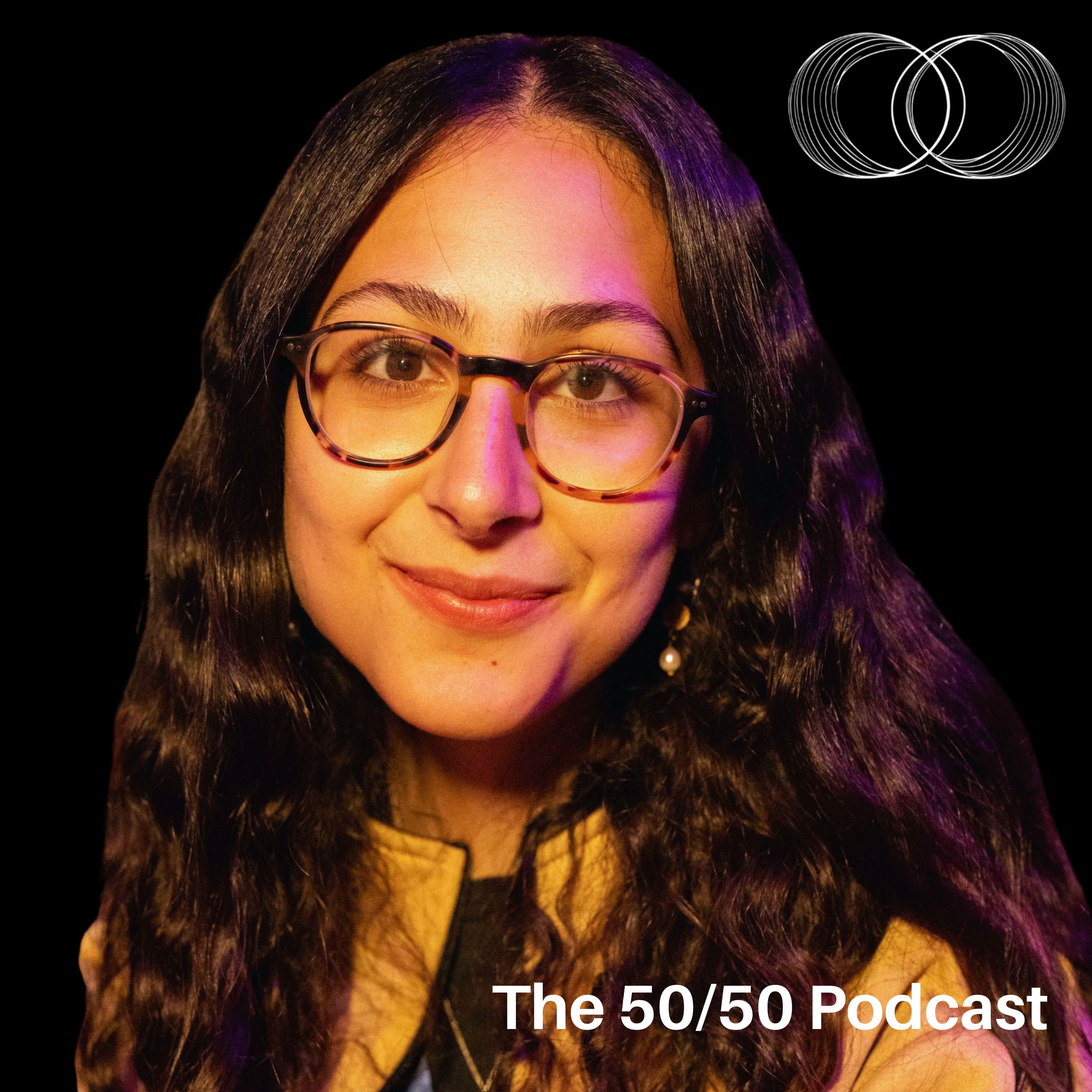
[00:01:09] Speaker C: This week, Posey Dixon tunes in from Hawaii with poke bowl in hand. I'm not jealous. You are. The documentarian joins us amidst what can only be described as a creative flow state dodging in between editing, writing, and singular doc all at once. In this episode, we talk about that doc, her upbringing in the trenches at Vice, her relationship with branded gigs, and so much more. It's Posey day, everyone. Enjoy.
[00:01:40] Speaker A: This is tofu poke.
[00:01:41] Speaker B: Yum.
[00:01:42] Speaker C: Oh, yum.
[00:01:43] Speaker A: Okay, Sesame.
I eat a lot of raw fish too, but try and mix it up so I'm not decimating the tuna population of the.
[00:01:53] Speaker B: Well, thank you. Thank you so much for coming on, Posey.
I know over email you mentioned you're in the midst of a few edits.
I guess before we really get into it, just kind of laying the foundation of where you're at right now. And then I think it'd be really fun to kind of look back a bit and like, see where you came from a bit, you know, Interesting.
[00:02:19] Speaker A: Where am I at right now? I am at. So I'm working on get my head straight. It's a weird time of year, isn't it? This time of year, it's like getting the cogs going again.
[00:02:29] Speaker C: Yes. Starting at. Starting at zero once again. It's frightening.
[00:02:33] Speaker A: You're like, huh? But I'm doing. What am I working on? I've got. So I've got a lot. Another long form, like, feature doc that I've been working on for two years now with a musician called Planning to Rock, who's like an incredible cult queer musician from the uk, but he's been based in Berlin for a long time. They're 50, 52, 53 now. And the film's like a.
It's kind of like, okay, imagine going back to your memories when you were younger, but going as who you are now. So we're sort of recreating all of these, like, scenarios from their history. Wow.
And putting them in. Putting them in them now with, like, the people they were with at the time, but like, everyone as they are now in their knowledge of themselves. I'm not explaining this very well.
[00:03:22] Speaker C: Well, when you first said that, it reminded me of therapy. Right. Because you are, as an adult, kind of going back to your childhood self. Is it. What is that? Like, are you directing this?
[00:03:34] Speaker A: Yes. So what's been cool about this one is it's like the musician, whose name is Jam, and I'm working with the musician, another director, who was a director, photographer called Vic, who's like a very old friend of the musicians.
And then me and the three of us have like, written it together over, like, we wrote it for like a year, probably.
Yeah. So it was like, really different way of working. It's like super collaborative and it feels really good because you're making. You know, like sometimes you do a project with somebody and they give you all the kind of. They open up to you and then you shape something in the edit. And sometimes that feels right and the artist is like. Doesn't necessarily want to be that involved, you know, and like, trust when you build up and you feel that you understand who they are and you present something. But with Jam, it's been like. They've been writing this whole thing with us and it's made it feel very, like, very different. It feels. It feels really like a new, morally safe space for documentary. Because we're not working out stories in the edit.
[00:04:42] Speaker B: Right.
[00:04:43] Speaker A: Everything. You know, there's like. There's a. There's a contemporary, like, stream of the story too, of them, like writing their new record and putting out to the world. But, like, all the reconstruction past stuff we've, like, written together.
When.
[00:04:56] Speaker B: When you say writing, um, we've had a few documentarians on before and it's always so interesting to hear about, like, the writing process.
[00:05:04] Speaker A: Yeah.
[00:05:05] Speaker B: Because you'd love to think, like, documentary is documentary and it's truth on film and it's just putting a camera in a room and just hitting record.
But of course, there is so much writing and so much shaping in the edit. But can you talk a bit about the writing process on this one?
Like you and those two other collaborators?
[00:05:25] Speaker A: Yeah. So, like, they. They first came to me like, Vic and Jam was started, like, working on a project together, and they came to. I have a production company in London called Luca, and they came to us just for, like, we have a bunch of friends at Common, just for some, like, advice and chats and stuff. And we talked for a long time and then they went off to film some stuff together. And over that time, my brain was just, like, kicked into gear because Jam, the musician's just like an incredible storyteller and was telling me all these stories about their mom that brought them up in this, like, super renegade way. And, like, they've got a sister, big sister, who is, like a big influence to them, who was undiagnosed autistic, like, the whole way through their childhood in the 70s and 80s. And the mom used to take her raving because, like, the daughter got really into, like, house music when she was 17. And the mom used to take her to the Hacienda, which is this, like, legendary club in Manchester, and would, like, talk to the bouncers to be like, this is my daughter Beulah. Like, she needs to bring in a water bottle, like, keep an eye on her. I would, like, send her off to the hacienda till, like, 4 in the morning.
[00:06:29] Speaker C: Oh, my God.
[00:06:30] Speaker A: Stood how, as somebody who, like, struggled with verbal communication, how powerful like, being in a club space could be for someone, you know? So, like, Jam was telling the story and I was like, I want to meet your mom. Like, this film is about.
[00:06:44] Speaker B: Yeah, not about you.
[00:06:45] Speaker C: No, I know. I'm like, maybe the film should be about the sister. That is. Yeah, that is amazing.
[00:06:51] Speaker A: So, like, that color around it. Yeah, yeah, that's kind of how that whole started. And then like, after we. After they went off and they filmed together for a while, we reconnected like, a few months later. And I was like, look, I've got all these ideas and, like, would you like to, like, we'd be interested in collaborating, you know? And I. And it's like, it's another one where, like, Jam is trans and it's a very personal story and I just really didn't want to go in there unless I was, like, being invited in and like really working in this, like, deeply collaborative way, you know? Yeah, they're like somebody who I have a lot of. I have some shared life experiences with them and I have some life experiences that I don't share with them, you know, so.
Yeah, and then it was like six months of like, figuring out which bits of their story they wanted to tell. We were like, following the music, the record.
We went to Berlin, like, the three of us together, and sort of spent a weekend together, like meeting their friends, going back through memory lane, group therapy, essentially.
[00:07:56] Speaker B: Yeah.
[00:07:57] Speaker C: Was it. Did you find that it was a fluid process in terms of beginning to collaborate, or did you find that you needed to, in a way, like, sell yourself as a documentarian and be like, hey, this is. This is what I've done and this is what I. The way I think it can go? Or what was that like? Sort of as a. As a creative working with someone on their story?
[00:08:18] Speaker A: I think it.
It's just. It's just a lot of intuition, you know, like, you spend time with someone, you realize what they're, what they're not trigger points, but like, what they're. You know, like, you learn by spending time with people how people communicate. Right. And everyone is different.
And it's a case I think, of, like, I'm always banging on about time and how important time is, you know, Because I think the more time you spend working with somebody, you start to understand how you can communicate with them. Right. You've got to be just like, super open.
I'm like a, you know, Sagittarian dyslexic person. And sometimes I can be a bit of a, like, run too fast, you know, and I'm like, get over enthusiastic. And I'm like, so you have to learn how to like, pull that back and make a lot of space to like, listen and respond.
And you start to recognize like, you know, the certain. The certain people that I've worked with who you'll suggest an idea and they'll immediately be like, no, no, no, no, no, no, no.
Quite like, confident. And then you learn that they need days to process ideas and they. Around.
You know, it's like that kind of thing.
[00:09:34] Speaker C: Yeah, that's interesting.
[00:09:36] Speaker B: At what point?
Or is there like a. Because you've done a. A few. I mean, you've made some incredible work in your portfolio thus far in your career. But like, at what point, I guess, talking about like with Vic and Jam, do you pull a camera out? Like, are you a day one, like, let's get this camera rolling and like, sit you guys down and talk to the camera? Or is it like two years later, hey, I'm gonna start bringing a camera around. Like, what, what, what is that? Like, when are you ready? You know what I mean?
[00:10:05] Speaker A: I think it's again, like some people are like real natural performers and like, are dying to be on camera. And then you whip the camera out straight away. Other people, like, Jam was really uncomfortable on camera for a long time.
So it was again just a matter of like slowly, slowly, you know, and spend a lot of time together before you start filming. And then being very sensitive to like when you can feel somebody's had enough of being on camera or when you can feel someone's getting agitated by being mic'd up, like learning how to be like, all right, just put everything down and like hang for a bit. You know, It's a lot of just like intuition.
[00:10:43] Speaker B: Yeah. I assume then it's. It's a tight crew or just you.
[00:10:48] Speaker A: Yeah, I always work with the dp. Like I'm not a good enough shooter to shoot my own docs yet, which is something I like because I started. I started as in like producing.
So I never like learned camera work beyond doing like B roll, you know. And like, I can say sure and shoot an interview and like do sound. I can do the basics, but I can't yet shoot without thinking about it, which is where you need to get to. To be a like self shooting documentarian. It's to be holy grail, like truly is. Because it's like. I think some of my, you know, a lot of my favorite films are shot by the filmmaker. But what I would say is I have like really tight relationships with certain dps who I feel like are almost an extension to me.
[00:11:37] Speaker C: Absolutely. And as a director, you're able to fill a different role when someone else is shooting for you, you know. But I get what you're saying though, because, you know, if you are the person, also the person shooting it, it's that much of a point of. It's that much more of a point of view, you know, which is we talk a lot about in the documentary space, having a strong point of view is one of the most important things.
[00:11:58] Speaker B: Yeah, yeah.
[00:12:00] Speaker A: And also depends, like what kind of thing you're making, you know, and whether the thing like this thing we're making with Jam is much more constructed than.
Than anything I've done before. So it kind of in a way that again, like, it's a different level of separation from like you and the project. There's like a.
It's transparent how constructed it is.
[00:12:25] Speaker B: So today, like in your home in Hawaii, editing, are you in the midst of. Of the. Be like starting to edit this project? Is. Are you done shooting or is this just. Do you edit and shoot? Do you shoot an edit? Like, at what part of the process or what stage of the process are you in right now?
[00:12:44] Speaker A: In this one, we are. I. What I really like to do with, like, my long projects is to shoot and edit, like to do it bit by bit.
[00:12:53] Speaker B: Yeah.
[00:12:54] Speaker A: Because I think there's something I feel like you always learn as you cut and it's like, I just think it's a really natural way to work.
And although it seems luxurious to be able to work like that, quite often in these projects, everyone's working around their commercial work. So actually being like, okay, can we have five days where we all lock into the edit or sometimes only three days. You know, it's like if you go in hard, you can get a lot done.
So what we're doing at the moment with that is we're probably like 60% shot. And we actually all got together yesterday morning for the first time this year, and, like, we're reviewing everything where we're at, and we're at the point now where Jam is writing a voiceover for the film, which is quite like a lyrical, almost like spoken word voiceover, and for it. So this week we're like sketching out what those voiceover parts could be and starting to build a brief for Jan to then be able to go away and make some music for that.
[00:13:55] Speaker B: Are you.
[00:13:56] Speaker C: How, how active are you in that process? Are you reviewing these voiceovers? Are you giving them notes?
[00:14:02] Speaker A: Yeah, so I'll write like.
Like between Vic and I, we like bounce stuff back and forth, but we basically will write a sketch of what we want the voiceover to say and then Jam will rewrite it in their own words.
[00:14:16] Speaker B: What was the voiceover always or the narration always a part of the pitch or the premise of, like, the story? Or was that something new that you kind of found in the edit of, like, oh, it could actually make sense to have, you know, maybe some internal dialogue or something or some. I. I'm not sure what the. What the voiceover is, but, like, no.
[00:14:36] Speaker A: It'S like if you. So and for anyone listening, if you, if you look up Planning to Rock, they've got this one track called Buellah Loves Dancing, which is about their sister. And it's. It's got this like, spoken word, like, story about their, their family home that's the base of the track. And that was the first track of theirs I ever heard. And Jam from, like, Bolton, which is in the north of England, so they have this, like, beautiful northern lilt, and it's just like, the sweetest thing ever. So, like, right from the get go, I was like, this is, like. Because Jam does a lot of spoken word in their music. Like, we can do a voiceover, but not a boring voiceover. It can be, like, part of what Jam does, which, you know, it's a reflection of their music.
So it was kind of in there from the beginning.
[00:15:22] Speaker B: So is. Is a doc. Is a project like this More of, like, why the conversation with Rachel Brodsky comes to mind. She's a profile journalist for.
I mean, she is Rolling Stone. A lot, like, articles with them.
And she will go sit down with, like, Ava Victor or Mikey Madison and, like, go to a local park or some area that, like, is, let's say, Mikey's favorite park, and they go and hang out and kind of just have this very fluid conversation. And that's obviously very different than a lot of other journalists. And it's just the piece itself.
There are quotes and stuff, but it. It just is this kind of very, like, full picture, you know what I mean? Of, like, you get the sense, the tone of the person. Like, the essence of. That is the word I'm looking for. So is this project. I mean, from what it sounds like, is it just kind of like the essence of Jam as a. As a person, or is it like, is there some sort of, like, I guess what Wyatt was saying of, like, some message or like. Like some sort of.
I don't know, do you have, like, some. Some message that you're pushing with it.
[00:16:34] Speaker A: Or is it just the. And again, like, I think it's really important to state that in, like, my film Keyboard Fantasies, previous to this, I worked in the same way, and I had, like, a lot of conversations with the artists before doing anything.
And if you spend a lot of time speaking to somebody, you start to learn what's important to them, and you start to learn what bits of their story are important to them, you know, And Jam actually was, like, very good at articulating what was important to them. And their story is basically that, you know, they're like, trans non binary. And they. They only kind of came to their full understanding of who they were in their early 50s, like, late 40s.
And what jam says is, like, when I look back at my music catalog over, like, 30 years, I can see that all my music was Me trying to figure out who I was, but I didn't understand it at the time. So that was the first thing that they kind of came to which was on their mind because they're writing this record and they're in this really good place. But then we started talking more about the family and then it was like, oh, this understanding that the way that Jan was raised, they never were gendered when they were growing up and they grew up in this very free space and jam's like, I kind of knew who I was when I was 14, at home with my mum, you know.
Taken me this like epic journey to kind of land back to where I started.
[00:18:01] Speaker C: That's so beautiful. And what shines out to me right away is the fact that this is all documented in their music. You know, I think that's like the most special part about it.
[00:18:11] Speaker B: Right.
[00:18:11] Speaker C: You get to actually look and see the progression of the understanding of their identity through their music. That's. That's amazing.
[00:18:19] Speaker A: Yeah. So it just kind of met, you know, it just like it is a whole.
[00:18:22] Speaker C: Yeah.
[00:18:22] Speaker A: And it's got so many different strands of stories and like, I'm also so excited because they are like an incredible artist. Their work is like avant garde and experimental and it all comes on their own always. All their visuals, all their production, you know, amazing. They really deserve, like to have their roses as well. And I think, like, previously to now, because they haven't been so in their skin, they almost haven't been ready for it and now they, you know, it feels like a really important thing.
[00:18:57] Speaker C: Amazing.
[00:18:58] Speaker A: But like just a good thing to be making, you know, when things just feel right.
[00:19:03] Speaker C: We'll be right back.
[00:19:07] Speaker B: Are you sick and tired of spending months on short films that get seen by just your uncle? Are you sad and bored of editing all the time and all that footage for just 10 views? Well, now's the time to change that. Submissions for the 5050 Comedy Fest are open now. Get your work seen by professionals who can actually advance your filmmaking career. Not your uncle, unless your uncle happens to be at a top tier talent agency like caa, UTA or wme.
Check out the episode description for the submission link or head to filmfreeway.com and search for 5050 Comedy. 5050 Comedy is on May 3rd. Submitting to 5050 Comedy may lead to money, fame, fast cars, boats, planes, helicopters, cybertrucks and lifelong friendships. 5050 comedy is on May 3rd. We look forward to seeing you there at 5050 comedy May 3rd. Your uncle is not invited unless he works at a top Tier talent agency like CAA UTA WME 5-3-5050 Comedy 5-3-5050 Comedy May 3rd. We look forward to watching your comedic short film May 3rd.
[00:20:10] Speaker C: I actually want to dig into just that about you and your taste as an artist, because having reviewed, you know, just a small amount of your work, I'm sure I, you know, I definitely noticed specific through lines of identity and people who stand out and things like that, and really unique people.
And I'm curious what draws you to a project as an artist and we can also get into the beginning of your career kind of through. Through that question.
[00:20:40] Speaker A: Yeah, I think I'm so open when it comes to, you know, like, what I make films about. I think, I think I get, you know, I guess I'm always excited about people I'm excited about.
[00:20:57] Speaker C: It's instinctual, as you said.
[00:20:59] Speaker A: But what's interesting is like, after Keyboard Fantasies did quite well, I actually got offered, like, a couple of, like, fully funded, like, big documentaries to direct, which was kind of like dream come true, but they were all about not. I mean, there weren't tons of them or a couple that were about people who, like, when I really dug around and I can get interested in like, nearly anything. Like, I'm always like, if someone's enthusiastic about something or is like, die hard into something, I can normally get myself there pretty easily. But like, if you actively feel like you don't really respect the person that you're being asked to make a film about or it's a very negative story. Yeah, that's like a whole different thing. And that's what a lot of documentaries are about. You know, they're about, like, crimes, exposing.
[00:21:46] Speaker C: Someone for something.
[00:21:49] Speaker A: And, you know, looking back and all of this stuff. And I don't feel compelled to do that.
[00:21:55] Speaker C: I mean, we, we work in the podcast space. Like, you can, you can imagine I feel similar, you know.
[00:22:01] Speaker A: Yeah, you speak to, you speak to like, commissioners and they're like, yeah, we want true crime, we want murderers.
[00:22:07] Speaker B: And then last, last. Yeah, last episode we did a true crime kind of.
Yeah, no, we're not going to do that or not.
[00:22:17] Speaker C: Can you imagine?
[00:22:18] Speaker A: It's like, it's that. And it's funny because it didn't really dawn on me that that was something that people did until I started getting off at work and I was like, oh.
So then the one thing I always say is I try and make work about people I admire.
[00:22:30] Speaker B: Right.
[00:22:31] Speaker A: I want to spend time with, because you have to spend a lot of time, like, psychologically with somebody to Make a film about them. Like, you really have to try and like, get inside their mind and like, really, really try and understand a person way. And that takes a huge amount of your own emotional capacity and time. So I think, you know, I have friends at work making films about horrible people and they, they, you can see it wears on them.
[00:22:58] Speaker C: Oh, my God. Yeah, I. I can imagine. I can imagine.
So I'm curious, you know, how did, how did you first craft that taste? How. When. When were you first excited by a person? Then you were like, I gotta. I gotta make a film about you. Like, when, when was that first moment?
[00:23:16] Speaker B: I was gonna say on, on top of that too. Like, you mentioned you were a producer before becoming a director, but you seem like such a. You seem like such a director. You seem like such an artist, you know, in the way.
[00:23:30] Speaker A: I was the producer very early, early doors, Vice.
So what that means, I think is probably quite different from like what a producer is, if that makes sense.
[00:23:40] Speaker B: Yes. You're making your own. You're doing everything.
[00:23:43] Speaker A: You're doing everything. There were like, team and no one knew what they were doing. So, yeah, it's a kind of different.
[00:23:49] Speaker C: That's Luke and I style. Definitely.
[00:23:51] Speaker A: Yeah. It's like the school. We were always like, everyone here is under qualified and underpaid, but, like having a great time.
[00:23:59] Speaker C: Perfect.
[00:23:59] Speaker B: There you go. Yeah.
[00:24:01] Speaker A: So, yeah, I actually had.
I studied. I went to university and I studied like sociology and like a lot of like, people stuff, which kind of makes sense now. But I was also, back then, I was like obsessed with snowboarding when I was a kid. And then I actually went and was a like sponsored snowboarder for a few years. So I spend a lot of time with like, skaters and snowboarders who are all filmmakers. Right. Of course, when I quit that, I was probably like 23 or something and I moved back to London and got the job working with Nike, like working for a guy who was working with Nike. And we like, made a bunch of like, skate BMX and snow and surf, like content, you know, But I didn't. At that point, I literally didn't know. I didn't even know what a producer was. I didn't know what a director was.
And I was writing a lot, I was doing a lot of journalism, but I'm really dyslexic, so I couldn't. Everything was going online and I can't write quick enough for online. Definitely interesting doing that, like journalistic, like digging around, being like, wow, if you write, you can like ring people up and they'll talk to you.
And then when I was like, oh, I can't spell, I can't write quickly.
[00:25:10] Speaker C: You'Re like, I guess I gotta figure something else out.
[00:25:14] Speaker A: Thanks for doing that, like really early, like budget documentary stuff. And I was like, this is amazing. And I knew a few people that worked there and I literally went and like physically knocked on their door. I was like, can I please come and work for you? And they were right.
[00:25:29] Speaker B: Were you ever interested in narrative or was it, was there some sort of like anti writing happening? And you're like, let's go the documentary route.
[00:25:39] Speaker A: Yeah, it was more that, you know, it was more like super interesting. Like I'm. I'm interested in like talking to people and getting into spaces and just like learning and digging, you know, that's that I'm interested in that. That's what broke me. And it's funny too because like my friends always joke that they're like, they used to joke, they'd be like, you never watch movies. You know, like, I like haven't seen so many films and I only really start and I, I'm always like, yeah, because, you know, when I was in my teens, not so much my teens, I think cinema was better in my teens. I watched a lot of cinema then, but I think in my like early 20s, there were no women making films, there were no queer people making films, black people making films. It's just like all the same, like in the cinema, this sort of like monolith of like white man material that I like wasn't connecting with, you know, And I think it was actually only like after I started getting into documentary and then filmmaking and then instinctively you start watching more and more films. And now I watch tons of fiction, you know, and I take a lot of inspiration from fiction and I'm constantly excited by what's coming out, but it's landscape to what it was 15 years ago.
[00:26:50] Speaker B: I was just like, can you talk about the early days at advice and like how that came to be?
[00:26:56] Speaker A: Yeah.
What's that noise, Luke?
[00:27:00] Speaker C: Are there screaming kids in the background?
[00:27:03] Speaker A: Like it sounded more like an animal, but if it's a child, even better.
[00:27:07] Speaker B: It's a kid. It's not a. It's not my kid, but a squirrel.
Yeah.
[00:27:13] Speaker C: Luke's kid reveal on the podcast.
[00:27:15] Speaker A: Yeah.
[00:27:16] Speaker B: Okay, guys.
[00:27:19] Speaker A: Early days advice is very. It's obviously a heavily discussed period in the media.
[00:27:25] Speaker C: Yes, yes.
[00:27:26] Speaker A: I feel like when I went in there, the video team was tiny. It probably like six people in the London video team and maybe in the whole of ICE or maybe like 35 people in the London office.
So it was very friendly and small and like all over the place. And they just threw you in at the deep end. You know, it was like getting paid, nothing, getting sent out on like 18 hour shoots. But they would also be like, take a camera. You want to make a film about something, go do it.
[00:28:01] Speaker B: You know, it was like lots of.
[00:28:02] Speaker A: Freedom, space to learn. And I think because I was like 24 at the time, which was truly old for like the company, I was like, I had quite a lot of life experience, you know, so I was like, I had a whole world outside of ice. I like lived. I just was like an adult, a fully formed. I'm not fully formed, but I was, I was a lot more mature than a lot of the people there get like sucked into the. Because there was a toxic culture, there was a toxic masculinity, a predatory culture in that space, like hundred percent.
But I feel like, because I was kind of mature enough to like recognize it and not be that interested by it and not get sucked in by it. I had an amazing experience there. But a lot of younger kids didn't, you know, and I don't ever want to like silence that. Because a lot of younger people there got chewed up big time.
[00:28:57] Speaker C: How after that did that sort of what were the main takeaways from working in a place like that?
And we can stick to, you know, positive takeaways, like the, the what you learned from being able to take a camera and do what you want with it.
[00:29:12] Speaker A: The positives, right, is that I swear to God, like so many people I now work with are still from Vice and it's like hilarious because sometimes you'll be on like a random like commercial job in New York and you're around the table and it's like, wow, everyone here, you know, so I have. And you have a network, like we shot all over the world and like you have network of filmmakers all over the world and everyone's kind of like minded because to survive there you had to be like very self motivated, quite like relaxed and you know, like you had to be a certain kind of person.
There's a lot of amazing people and like super talented people. So like the network that we got from it was incredible. And the kind of just like get on with it and do it mentality was great. Like I started my production company with an editor from there and we were like.
And like still are going pretty happy.
[00:30:01] Speaker C: Yeah, yeah.
[00:30:02] Speaker A: But people that would were like the people you met were incredible. I think what I learned on the. On the. The thing that I've. I've learned not to do is they were, like, very unethical in the way that they treated like contributors in documentary and, you know, just like, that kind of way of moving through the world is something that I know better now. You know, what.
[00:30:25] Speaker B: What type of stories were you kind of, like, interested in telling there? Or is it just kind of a wide array of like.
[00:30:32] Speaker A: It was like whatever got thrown at you as well? You know, I did a lot of branded con. I did, like, one year. I was always freelance there, and I took a job for one year and I did, like, tons of branded content.
And it's when the branded content thing was just, like, flying and companies throwing money at Vice to make stuff. And we did some, like, wild projects in that year.
Incredible stuff, you know, like, really, really, really cool films. But I got so frustrated because it was like, the first time I'd interacted with agencies, and I just, like, couldn't. I. It just.
[00:31:07] Speaker B: I.
[00:31:07] Speaker A: It just. Yeah, it broke me.
[00:31:10] Speaker C: Yeah, I would. I was going to ask a question about that because obviously you've. You've sort of carried that.
Their sort of run and gun philosophy to your production company of the, let's just pick up a camera and shoot. Let's live in the moment. Let's not, you know, build it out so that there are so many, like, roadblocks to have to get through. And when you are doing branded stuff and dealing with agencies and brands and companies, there are naturally so many roadblocks, you know, and I just. From so many. Every artist we've interviewed on here has mentioned various roadblocks and navigating working with brands. So I'm curious from your perspective, from coming from. I mean, you literally got both situations at Vice and beyond. Like, you got the, let's just make a documentary about whatever we want. And now the brands are coming in and they recognize that we have a unique style and name and we've made a brand for ourselves. So how are we collaborating with these people who might not get what we're doing?
[00:32:10] Speaker A: Yeah, I think that I was, you know, like, again, it's like you learn a lot in, like, just, like, maturing. And I think now, like, Luca, we do a lot of, like, not tons, but we do a lot of, like, editorial work. We do some totally commercial work.
And what I've learned now is to understand what it means to be, like, commissioned by somebody to make something, and I want to make it quickly. I want to pay People properly. I want to make it a really nice experience for people.
[00:32:39] Speaker C: Yeah.
[00:32:39] Speaker A: I want to offer my opinion and my style, but equally there's a, there's also a point in which I'm like, if you want me to make this thing, I'm a craftsperson, I can make this thing, you know, hoping that you come to me because you want something of me, but sometimes not. And that's okay, you know, because those jobs won't pay for us to be able to, you know, dally around for two years working on a long form documentary that.
[00:33:03] Speaker C: Yeah, absolutely.
[00:33:06] Speaker A: I'm much more kind of like pragmatic about it all now. And I, I definitely, you know, like, we always really persevere at having just like a beautiful crew. And then like we just made a. We just made a big video podcast for Bridgerton.
[00:33:21] Speaker C: Oh my God.
[00:33:23] Speaker A: And it was like so much fun, you know, and it's not like anything that I will be like getting my Oscar for, but we had like the best crew of people.
Like, the atmosphere was incredible. Like, the host was like, like it was just such a good vibe, you know, and everyone, we worked really hard for a week. We like Buster doubles, pulled it all across. Everyone was super happy. It's like really rewarding, you know.
[00:33:46] Speaker C: Totally. And it. To me, it's about the people. When you're on a shoot like that.
[00:33:51] Speaker B: Right.
[00:33:51] Speaker C: You kept mentioning that. And it's like, oh, this is an opportunity where I get to be a leader in a different way. Like, I can contribute some of my style, but I can also make sure that everybody here is paid well and gets comfortable and is comfortable and we have the time and things like that where, you know, when you're, when you're working with Jam and it's three people, it's a little more consolidated and, you know, it's kind of you doing a lot of the artistic thinking.
[00:34:20] Speaker A: Yeah. And it's always been a big part of us as well is like, you know, like when you have commercial work, you bring, bring people along, you bring people in, you pay everyone really well.
[00:34:29] Speaker C: Yes.
[00:34:30] Speaker A: Everyone really nicely. And then they want to come and like do the £150 a day shoot for you.
[00:34:37] Speaker C: Huge.
[00:34:37] Speaker A: Because it's like there's an understanding there that there's this sort of like relationship that goes.
[00:34:42] Speaker C: It's an ongoing relationship.
[00:34:43] Speaker B: Trust. It's trust for sure.
Posy, can you talk a bit about working with Luke Keing and I, I assume just with, with Instagram, because that's how we got connected in the first place. But Would love to just hear about, because maybe it'll be helpful for our listeners, our audience, to hear about, like, how you actually get, like, attached to a job like that with Meta or Instagram in this case. So can you. I don't know. What's the best way. Why, like, to walk us through all the way or.
[00:35:13] Speaker A: Yeah, no, that was really. That was, like, such a cool project. It was really. So there was a. There was a. One of the producers working with Uncommon is someone who I had, I think, worked with before. We definitely connected a bunch of times, you know, and they got in touch because they were like, okay, we're trying to make this thing. They had the idea.
They were like, we want to do something which is kind of like a Q and A, but we want it to be really elevated.
We also want to be able to control it and get these sound bites to work for a spot.
And initially what. They initially came to me and were just like, can you do some consulting work for. For us? And I just worked, like, I did a Sun. I think I did, like, a Sunday with them and just, like, took a look, had a. You know, we had, like, a big conversation with all their creatives, and I just spoke about the different ways they could go about approaching it and then delivered them some, you know, some, like, deck stuff.
And then that unfolded, like, all quite quickly. It went from just doing, like, a couple of days consulting to being like, oh, actually, can you direct it? And.
Yeah, and then it kind of unfolded from there.
[00:36:24] Speaker B: What did that look like? Like, when they say, we want you to direct this, like, are you then picking up the phone and calling a dp? Are you putting a crew together? Or are you, like, can you. Can you talk about just really getting into the. The depths?
[00:36:37] Speaker A: Yeah, the nitty gritty. And I think, you know, like, every project is so different.
And I think on this one, because Uncommon as such a, like, creative studio, and they'd written, you know, they've been working on this Instagram campaign for a long time. It's a huge campaign.
So on this one in particular, I feel like a lot of the idea was fleshed out. They just didn't really know how to make it happen without a script, you know, like, how to make it happen naturally. So I'd say my biggest.
The biggest role I had in that one, like, I did all the usual role as, you know, as a director, you get.
You get creative. You get, like, a creative from an agency or from a commissioner. You present how you want to make it. And in the best Scenario. It's like this kind of collaborative conversation between you and the creatives till you get to a point where everyone's like, okay, this is how we're going to make it. And everyone suggests team members to bring in, you know, and you have people you want. And every com. Every decision is a kind of group decision, you know.
So that was the case with this.
I think the biggest role that I. The kind of thing that I bought in was almost like, the mechanism of, like, how to make them feel safe, how to make them feel like we're definitely going to get what we need. Because there's a huge amount of pressure to get what you need when you have one day with Tyler for Instagram commercial. And for people that come from an advertising background, to do something that isn't scripted is really scary. Right.
So a lot of the work was figuring out, like, how can we make this?
You know, how can we set up a scenario where we know we're going to get something good, but it's not scripted.
That was like, the thing. And in a way, that's like what you do in documentary, you know?
[00:38:24] Speaker B: And like I was about to say, there's so much overlap.
[00:38:26] Speaker C: Yeah, I think that's probably why they brought you in.
[00:38:29] Speaker B: Right.
[00:38:29] Speaker C: Because you were kind of the missing puzzle piece in terms of, like, we're an ad agency and we're taking this big risk by doing something unscripted with an A list level musician and something that, you know, there's a lot of, like, money against this. And we're going to, you know, we need someone to come in and try and pull as much, you know, material out as possible in a day.
[00:38:57] Speaker A: And I always joke that I'm like, my style of filmmaking is, like, low intervention. But, like, the best things come from when people are just, like, when they think they're not on camera, when they.
[00:39:09] Speaker C: When you let them, just when you're.
[00:39:10] Speaker A: Not bossing them around, you know. And actually, like, I know a lot of, you know, like, commercials directors will be very, like, well, not. It's actually a lie. A lot of directors aren't big personalities on set, you know, and actually, I often find that I'm like, I'm trying to disappear on set almost.
[00:39:26] Speaker C: You know, it's like, yeah, that's your style.
[00:39:29] Speaker A: It's about, like, creating the right environment for people to be able to be who they are and to, like, naturally do what they do, which is why I've chosen them to be there, you know? Like, I feel like nearly every time you put someone who's not an actor in front of a camera. It's because they're already doing something you want to record. Right? So it's like, how can you create the environment where they can do what they do and not feel self conscious and not feel like they're being manipulated?
[00:39:57] Speaker B: How was it working with like a multi cam setup on that? Was that.
That was cool. Yeah.
[00:40:03] Speaker A: I've done a few things like that before. But the. The dp. Jody. Jody Lee Lips, he's like, I was a huge fan of his work. He made this beautiful film called Earth Mama a couple years ago. He's like, so good.
And so when he came on board, I was like, wow, this is cool. You know?
[00:40:21] Speaker C: And yeah. So did. Was Uncommon trying to get him to come on board, or was that you? Okay, okay.
[00:40:29] Speaker A: We had like a list of names and he was on it and I was like, wow, I would love to work with him.
[00:40:35] Speaker C: You're like, no shot. We're getting him.
[00:40:37] Speaker A: But yeah.
You know what was crazy about the shoot? When I got to the pre light day, he'd like. He'd basically like blasted through the windows and like just a vast amount of light bashed him from one side, that semicircle. And to the naked eye, it looked so backlit. It looked like crazy, you know, right. Right next to him.
[00:41:00] Speaker C: And I was like, you're just like, I'm just gonna trust him.
[00:41:03] Speaker A: I've got a. I gotta question this guy. Because it's like to do, you know. And I was like, I feel like dick saying this, but like, I'm like. And he's like. He's like, no, no. He's like, you should always ask because I know it looks crazy, but like, then like lenses on, you know, look at the monitors and it just creates this like beautiful glowing light that just like lights, all these different skin tones sitting in all these different directions perfectly. It's mind blowing.
[00:41:28] Speaker B: It's incredibly well shot.
And we spoke to Luke about that too, when he was on Keeling, who works with Uncommon. And was the.
What was his role in this? Like, were you guys in. In collaboration at all or in conversation? Because he. I mean, he was just.
[00:41:42] Speaker A: Yeah, yeah. He's like the thing. Uncommon, the thing I really respected for them on this project is they like, they were. And this is the.
I'll be down on bias. But it's kind of like the opposite of Vice's approach. You know, they were like, we want these. We want to find these young artists and we do want to use. You know, we're Using them. We're giving them experience, but we're also going to be using what they say as an advert.
[00:42:08] Speaker C: I think both can be true, which is something that we found out with Lou.
[00:42:11] Speaker B: Right?
[00:42:12] Speaker A: Yeah. And everybody, with tons of respect, they put a lot of time and energy into the casting process. Like, I got to sit and talk to, like, 100 artists for, like, 20 minutes each.
[00:42:23] Speaker B: Wait, so you were casting these kids? I thought this was, like, a group. This is like a community or something.
[00:42:28] Speaker A: They're casted all through. All from New York. We had, like, a really great casting agent from New York, and she bought us, like, we probably saw, like, 300, 400 profiles. And I probably spoke to, like, 80 kids are there.
[00:42:42] Speaker B: Because. Because I know they weren't all actors. They weren't all film. Like, they were.
[00:42:45] Speaker A: It's just like. It's streetcasting, you know, it's like, casting directors do this kind of stuff. They have books and they put the word out.
[00:42:52] Speaker C: Did they submit tapes? Were they, like, submitted tapes or profile?
[00:42:57] Speaker A: Okay, yeah, Profile and the tape. And then I think we had, like, I was work. I had a director's assistant and myself and the producer, and we'd sort of get everything in because there was a lot, you know, so we'd, like, get all the tapes in and we'd divvy them up and do a kind of, like, red, green, amber kind of situation, you know, and then we all watch the greens and the ambers, but we all trust each other. The reds are, like, not going to make it through kind of thing.
[00:43:22] Speaker C: Yeah.
[00:43:23] Speaker B: Wow.
[00:43:23] Speaker A: So, yeah, they were all.
And it was like, really? Again, like, that was, to me, like, you know, it's a dream, like, getting paid to, like, chat people.
So nice.
[00:43:33] Speaker C: Of course.
I was going to ask this earlier. Like, are. Are you. If you go to a party and you don't know a lot of people, do you just, like, corner someone and talk to them for two hours and, like.
[00:43:44] Speaker A: And at the.
[00:43:44] Speaker C: At the end of it, you could. You could do a documentary on them. Is that, like, how. How you are? Okay.
[00:43:49] Speaker A: I think my friends talk about it. My therapist would say it's defense mechanism.
[00:43:54] Speaker C: Oh, for other. Yeah, that's another episode. We'll have to do a bonus episode on that.
[00:44:02] Speaker A: Yeah. So that was that process. So we cast them and, like, whittled the group down till it felt like a group that would, like, feel good together and, like, represent different experiences, different levels of. Of, like, success and presence in the world of art, you know, different types of art. And then Tyler Threw in like a couple of just like, message DM'd a few people on Instagram. Like, we're gonna fly this guy over from Sweden and we're gonna fly this painter over from London.
[00:44:33] Speaker C: And these guys, you're like, yes, sir. Yes, sir.
[00:44:38] Speaker A: But it was cool. And then like, Trinity, who's the. The skater that ended up being like the post, you know, the kind of the spot, like, she's someone that I cast and she was so sweet, you know, and like this sort of like, bubbly energy and in, you know, like quite like young.
Just so real, you know. And like some of the other artists on it were a lot more experienced and had. Had, like, gone a lot further in their careers and were a lot more, like, reflective in a more like, professional way about their practice and their place in arts and, you know, whatnot. And we had no. There was no like, leaning towards anyone when we cast it. It was like, this is the group.
[00:45:19] Speaker C: Yeah, let's treat them all the same.
[00:45:21] Speaker A: Treat everyone the same.
[00:45:22] Speaker B: So then on. On the day, like, you've done the pre light, you've done all the prep. I. It was this months, was this weeks.
[00:45:28] Speaker A: Like, you know, the other thing. So I was saying about uncommon, about how they really made the energy to, like, make.
Put the money and the time in the right place. They also put us. They took us all out to New York, like, maybe 10 days before the shoot. Ah, maybe even two weeks, you know, maybe 10 days. And we were all in a hotel, like, myself and Luke and the producers, and they were simultaneously producing, like, other Billboard shoots for the campaign. So, like, people were bopping off around America.
[00:45:58] Speaker C: Great.
[00:45:59] Speaker A: But I really respected the fact they were like, let's all be here together.
[00:46:04] Speaker C: This is like a huge budget shoot.
[00:46:07] Speaker B: Huge. Yeah. It's awesome that they. They're putting the effort in. So. So you've done the prep and now it's, let's say on the day, you as the director, everyone's looking to you. Tyler, the creator is there, the kids are there. Everyone is there.
What are you saying in that setting, if anything, to kind of foster that vibe of, like, I want this to be as real as possible in simple terms.
No one, no one freak out.
[00:46:36] Speaker A: Like, we.
We had a host, right? Like a Rachel.
[00:46:42] Speaker B: Yeah, the moderator. Yeah, she was great.
[00:46:46] Speaker A: So her and I had had like, a bunch of conversations.
You know, she'd had a conversation with Tyler. Tyler was like, amazing. Like, so into the project. Like, turned up 15 minutes early, never, never stepped into his trailer, stayed for like two hours off the Shoot. Chatting to every single kids.
[00:47:07] Speaker C: You could tell the passion was there on, on his end.
[00:47:10] Speaker A: So he was incredible. And it wouldn't have happened if he didn't have that, if he didn't bring that, you know. So then on the day, it's kind of. Again, it's like all in the prep work, right? So, like, on the day, bring everyone in. We all hung out and, like, had coffee and whatnot. I think Rachel introduced what was going to go on. Like, I introduced myself, introduced a crew, explain what's going on for the day, you know, and I'm like, I'm gonna be in a back room there with, like, monitors. There's, you know, there's six cameras here, and myself and Jody are in there watching what's going on. I had an earpiece to Rachel, so if I, I, I wanted to prompt her to ask a certain thing or to bring a different artist in or whatever, or just give her a little, you know, and then we rolled for like, maybe we rolled for like 50 minutes, and then we all, like, took a little stretch. Rolled for another like, 20 minutes, 30 minutes.
So everyone could ask, you know, I think everyone ask a question.
It's pretty chill.
[00:48:06] Speaker B: Yeah, I mean, it's, it's.
I was, I mean, I reached out immediately to Luke right after I saw that video, and I, we, We told him this of just like, that piece of content was, at least for me, was incredible. Like, it, it really. I. I have not seen much, if anything like that ever.
And the way it was done and the way it looked and like, just everything about it, as I assume the Target audience, I'm 24 myself, and younger artists and maybe, you know, I don't know what the target audience was, but, like, artists in general, like, yes, they're talking about music or acting and things. I'm not necessarily interested or like, the, that's not my main priority. But, like, every question they asked was so applicable and the advice that, that Tyler gave was so practical to, to my own path, you know, and we said that to Luke and he was like, that's good. We prompted those questions.
[00:49:03] Speaker C: And I was like, and ideally, we're. We're expressing those things on Instagram, which eventually, you know, the, the point of an ad campaign for people to.
[00:49:12] Speaker B: Fuzzy. What's. What's your. What's your.
What are your thoughts on social media and Instagram?
[00:49:19] Speaker A: Oh, I'm kind of bored of it.
[00:49:23] Speaker B: Yeah.
[00:49:24] Speaker A: You know, and I think that.
[00:49:28] Speaker C: That'S, that's a great answer.
Do you delete the app ever, ever?
[00:49:33] Speaker B: Or are you.
[00:49:34] Speaker C: Are you, like, addicted to it or just addicted anymore?
[00:49:37] Speaker B: It's just too boring. You can't be addicted to something boring.
[00:49:40] Speaker C: You know, I wish I could say it's boring.
[00:49:42] Speaker A: It's kind of lose. It's lost its, like, claws on me.
And I think that. I think that's also because, like, I use it now for, like, you know, I use it for the news. You know, I use it for, like, Palestine updates. And like. Yeah, right. Press isn't reporting on. It's, you know, it's. It does that and.
[00:50:05] Speaker C: Right.
[00:50:07] Speaker A: It's obviously, like, for. I think for everyone. They just use it. I just use it as a portfolio now. I rarely put much personal up there anymore. I just consider it a portfolio.
[00:50:16] Speaker C: I. I like that. I. I'm trying to do that myself. I can't. I can't do the Here's a carousel of. Of my vacation or what?
[00:50:25] Speaker A: Like, I just think how you feel when you look at that stuff. I feel now I try and be like, if you're gonna put. If I put something out there, it's like, stuff that I would want to see. That's like the metric, right? And like.
[00:50:36] Speaker C: Right.
[00:50:36] Speaker A: Yeah, I really want to see.
[00:50:37] Speaker C: Like, that's true.
I know.
[00:50:41] Speaker A: I. I feel hilarious. Right? Some people are, like, content creators.
[00:50:45] Speaker C: Totally. And that's awesome.
[00:50:46] Speaker A: Follow them and that's great. And that's their art form. And, like, amazing. Keep doing what you're doing. Thank you for your service.
[00:50:52] Speaker C: That's not boring. You're not talking about them when you're saying you're bored. Yeah, right.
[00:50:56] Speaker A: But, like. No, but what? I'm. I'm bored. I just don't find it, like, addictive anymore. I don't find it.
[00:51:01] Speaker B: Yeah. Yeah. That's amazing.
[00:51:03] Speaker A: Compelling. And I think it's.
There's so much advertising on it as well, you know, like, there's so much junk.
And, like, my feed's pretty good. Like, I like my feed, but I'm just like. I think I'm just actually, like, losing interest in the phone.
[00:51:18] Speaker C: Well, if you were to look at your Explore page right now, what would it be? What? Like, what is your. What is your feed?
[00:51:25] Speaker B: She's doing it.
[00:51:25] Speaker C: Yeah, let's.
[00:51:26] Speaker B: She's doing it.
[00:51:27] Speaker C: Let's hear what it is.
[00:51:28] Speaker B: Documentary. Documentary. Documentary. No, I've been Poke bowl.
[00:51:33] Speaker C: Yeah, there's a lot of poke.
[00:51:34] Speaker A: Old. Right. But I've been learning how to skate this year, and as a result, my. My discovery page is full of people skateboarding.
[00:51:43] Speaker C: That's great.
[00:51:43] Speaker B: That's awesome. What can you do any tricks? But didn't you. Didn't you start. You started in skating and snowboarding or. That was just a passion, but then.
[00:51:52] Speaker A: I sort of, you know.
[00:51:53] Speaker B: So, yeah, that translates. That.
[00:51:55] Speaker A: That.
[00:51:55] Speaker B: That definitely translates.
[00:51:58] Speaker A: And, you know, when you come back to, like, you come back to what you were as a kid and realize that that's of kind. Kind of like what you liked in the first place.
[00:52:05] Speaker B: Absolutely, Absolutely.
[00:52:07] Speaker A: I'm on that.
[00:52:07] Speaker B: That's fun.
So the next doc is going to be a skateboarding documentary?
[00:52:11] Speaker A: No, because I think the thing is, I like. I really like physical activity, but I find the culture around all that very boring.
[00:52:18] Speaker C: Ah, boring again, dull.
I. I'm with. I'm with you on that.
[00:52:24] Speaker A: It's.
[00:52:24] Speaker C: It's hard to.
[00:52:26] Speaker A: It's a thing in my body. Like, I love.
I love, like. I like punishing myself, I think, and I love learning something physically, and I find it really good for my mental health. Like, my brain's quite.
And actually, for me, like, the thing that's been nicer since I've got older is I've started doing loads of sport, like, badly. Like, I started playing soccer in London with, like, a bunch of friends, and we're, like, so bad. But it's so fun, you know? So now instead of going to the pub, we, like, go and, like, play bad football together and then have a.
[00:52:55] Speaker B: Drink and then go to the pub. Yeah, exactly.
[00:52:57] Speaker A: So, like, I really enjoy, like, doing physical things because I think all my work, a lot of my work is, like, sitting down, and a lot of it is, like, listening and learning and researching and, like, a lot of mental work. So there's something I really like about doing stuff where you don't have to talk necessarily. You, like, bond in this, like, weird way.
[00:53:15] Speaker B: Absolutely.
[00:53:17] Speaker C: Team sports is so great for that reason, because you're only thinking about the other people around you or the ball.
[00:53:22] Speaker A: Or, you know, every physical thing. And I think I've always been wired like that, you know, like. So that's why I go down those routes. But I don't want to make films about skating or snowboarding or circus.
[00:53:34] Speaker C: Yeah, yeah.
[00:53:36] Speaker B: What.
What does Luca mean? Your. Your production company?
[00:53:39] Speaker A: The last universal common ancestor. It's the blob that all life came from, really. Structure. Yeah. So if you. If you go back down the genetic train through, like, all of living things, Luca is like the. The stem cell that made life.
[00:53:59] Speaker B: I'm a couple letters off.
[00:54:02] Speaker A: Exactly.
Isn't that cool, though? The last unit.
[00:54:05] Speaker B: I didn't know that also.
[00:54:07] Speaker A: It just sounds Nice.
[00:54:08] Speaker B: It does, yeah.
[00:54:10] Speaker C: And, and what's the, what's the message behind that? Why, why did you name it that?
[00:54:14] Speaker A: Well, Jim, who I started Luca with, he, it was his, he came, he came with it. And we were like, you know, on the pretentious level, like as filmmakers at work a lot in documentary, it's like you're interested in life.
But also we were also like on the other level, we circled through all these names that sounded so obnoxious and awful. And Lucas, just like a very like, calm look, Nice, easy thing. Our one fail that we did, we registered ourselves as Luca Films, which is one letter of LucasFilms.
[00:54:49] Speaker B: Oh, yeah, you can't, you don't.
[00:54:52] Speaker C: That's quite the lawsuit right there.
[00:54:54] Speaker A: The real experience where this like Taiwanese film company came into commuting with us about producing an action film in Cambridge.
[00:55:01] Speaker B: No, no, no.
[00:55:04] Speaker A: Like, what the is going on? What is going on?
[00:55:07] Speaker C: And then we just think with your, with, you know, you have your hands so deep in Star wars that you're like, what? Star Wars?
[00:55:13] Speaker B: No, no, no, no, no, no.
[00:55:16] Speaker A: 28 or something. Like, what's going on here?
[00:55:19] Speaker C: Like, they really want us to do a Star wars thing. It's so specific.
[00:55:23] Speaker A: So we're now just straight up Luca, Luca Earth.
But that company evolved, you know, and it's like a way that we can all, we can have like a little base. We don't have like, I run it now with an amazing producer called Liv. And Jim, who I started it with, is still like silent partner. And we don't have like so staff. We have a studio in London. It's just there so that we can make our own films, but also so we can run commercial work and make money.
[00:55:49] Speaker C: Of course, yeah.
[00:55:51] Speaker A: But it's never like a growing business, which I love.
[00:55:54] Speaker C: Right, right.
[00:55:55] Speaker A: Antique. Right.
[00:55:57] Speaker B: Well, we, we, we asked this question to everyone, all of our guests at the, at the end of the episode, and it's a simple one.
What is the dream?
[00:56:08] Speaker A: I mean, the dream is to get paid to do the things I don't get paid to do.
Maybe.
But you know what?
I think? Yeah, I would, I would love, you know, I mean, to be honest, the dream in a way is to have like budget to make a feature length documentary in a way that you actually could make what you're trying to make without. I feel like everything I make off my own back. I'm like scraping the barrel for resources and always trying to be too ambitious for what your resources are. And it's like such an uphill struggle, you know? So I think as a filmmaker, the dream is to be like, given resources to make something that you're determined to make. But I also think there's like a downfall to that. And I think that because you have to fight so hard to make a film, film as like an independent person, there's something in the fight that like, means that what comes out in the end is like, Is valid because you fought so hard for it.
So, you know, there's a balance there.
[00:57:13] Speaker B: Yeah. A lot of times the hardest days are like the most satisfying or fulfilling as a filmmaker.
[00:57:17] Speaker A: Yeah. I feel like to push a film that you've decided to make up the road is like such a huge, like, commitment and determinate. You've got to be so thick skinned, you know, and like to bring all these people along with you, you know, which is a lot of it, is that it's like seducing people into coming along to make your thing. It's like such a big task. So I think, yeah, I feel like the dream, the dream is just to keep working with the people that, like, excite me to work with, you know, and just keep having days where you walk off set and you're just like, buzzing.
What experience it's been.
And also to suddenly become really great at fluid shooting so I can shoot my own work.
[00:58:01] Speaker C: Absolutely. I love a tangible goal like that. I love that you're obviously so accomplished and you've done so much work for, whether it be different brands or collaborated with so many amazing people. Like, your portfolio and the level of people you've been able to work for and work with is amazing. And you've done, you know, your independent stuff on the side, which we discussed at the beginning of this episode. I'm curious how often are you taking a step back and thinking, like, about your career trajectory or, you know, how you want to be perceived by the industry?
[00:58:42] Speaker A: Yeah, it's really. It's a.
It's such a weird one because I feel like you can't control it that much.
[00:58:48] Speaker B: Right.
[00:58:49] Speaker A: I feel like there was definitely a period where I was like, quite concerned because I was like, I feel like my, like, commercial portfolio or like, what I'm getting paid to make is so different from, like, what I want to make and what I'm making off my own back.
It felt like this giant void. And at one point I was like, do I need to create two Personas? You know, like, create two profiles and work under two names? And like, I was really thinking about that because, yeah, have a brand and you should be known for Something but luckily because I'm probably not like a ten year plan kind of person, you know, and because I do move around a lot, I'm quite easy. I'm quite like comfortable with the unknown, you know. So I think there's been a level of feeling it out and I think what's been nice is that like especially over the past few years as my body of work's been built, I've, I've started to see like, oh, there is like a through line to all of this work that's about like super different people and different themes. But this thing comes through of like this sort of low intervention filmmaking to portray something that feels natural and like to create that space for that to be able to happen on camera and in an edit, you know. So I don't think I've been like super calculated because I also think in this line of work like you take work when you can get it.
[01:00:13] Speaker C: Yeah, absolutely.
[01:00:15] Speaker A: And because I'm always running projects that don't have money. I see like every money job is like an opportunity to put money into something else.
[01:00:22] Speaker C: Sure.
[01:00:23] Speaker A: So I don't, you know, I'll say no to stuff when it. I often think about how much time it's going to take up and how much money it's going to make. That's sometimes a decision, something I think about, you know, and if it's like a short intense job, like I love that I'll go and do like a crazy intense commercial for a month and give it my all and come out with a chunk of money and know I can then work on my project for four months, five months on that, you know? Yeah, yeah. It's, it's not been super calculated but I definitely, every year I'm like, I want to do this, you know, Like I want to focus on this and like it often happens like three is lighter.
[01:01:02] Speaker C: Yeah, yeah, yeah, yeah. Totally, totally. Good to know.
[01:01:05] Speaker B: What, what's, what's. Before we go, what, what's this year's focus? Because you said every year you have.
[01:01:09] Speaker A: A, it's like getting the planning to rock film out and it's actually just, it's doing more long form because I've done like I did like 2/2 hour. I'm in the middle of 2/2 hour TV commissions for the BBC that I've really enjoyed and it's quite, it's great to like get into that TV space. I mean it's like TV digital, it's all the same now. But I want to, I want to push long form more and I have this idea about making a film about weapons design, so I'm going to try. Well, and I want to do a short fiction which might be linked.
[01:01:46] Speaker C: There we go. Well, I can see that. The spark in your eye. I feel like there's. That the glimmer of passion has, you know, is upon us. So we'll let you go do that this year.
[01:01:57] Speaker A: Thank you so much. You two are great, by the way. I love what you.
[01:02:00] Speaker B: Thank you. Fuzzy. Thank you.
[01:02:02] Speaker C: Oh, thank you.
[01:02:03] Speaker A: Format. Curious Americans.
[01:02:06] Speaker B: A rare. A rare kind.
[01:02:09] Speaker A: Where are you based? Are you in la?
[01:02:11] Speaker B: Yeah, yeah, we're. We're in Los Angeles.
[01:02:13] Speaker A: And are you both filmmakers?
[01:02:15] Speaker B: Yeah. When. When you're out here next, we'll. We'll get some.
We'll get some food or coffee or something.
[01:02:22] Speaker A: I'll be coming through at the end of the month.
[01:02:25] Speaker B: Oh, my gosh. Okay, great. Let's do it.
[01:02:26] Speaker C: Yeah.
[01:02:27] Speaker A: Pop over on my way back from Hawaii.
[01:02:30] Speaker B: Perfect.
[01:02:31] Speaker C: I'm so jealous that you're there.
Yeah. We could also just come to you. Yeah, that could work, too.
[01:02:38] Speaker B: Sure. Perfect.
[01:02:39] Speaker C: Perfect.
[01:02:41] Speaker B: Yeah.
[01:02:43] Speaker C: Well, thank you so much, Posey.
[01:02:44] Speaker B: Thank you for taking the time.
[01:02:46] Speaker C: Really appreciate it.
[01:02:52] Speaker B: Did you learn something? I'm like your mom. Did you learn something in this episode? I hope so. Or not. That's okay. Thanks for hanging. Make sure you follow us at the 5050Fest on Instagram and give us five stars, because. Why not? Why not subscribe? Why not? You know why not. Okay, bye.